6-Day Push Pull Legs: Who It's For
Practical guide to a 6-day PPL split: weekly layout, exercise choices, progression rules, volume targets, and who should avoid it. Evidence-aware and actionable.
Photo by RepBro.
Six-day PPL (Push/Pull/Legs repeated) is an efficient way to train each muscle group twice per week for higher weekly volume and frequency. It suits lifters who can recover, commit 6 sessions, and prefer focused sessions; it’s not ideal for beginners, poor sleepers, or those with limited time.
What does a 6-day PPL week look like in practice?
Typical layout: Train Monday–Saturday, rest Sunday. The cycle repeats so each muscle is hit twice per week.
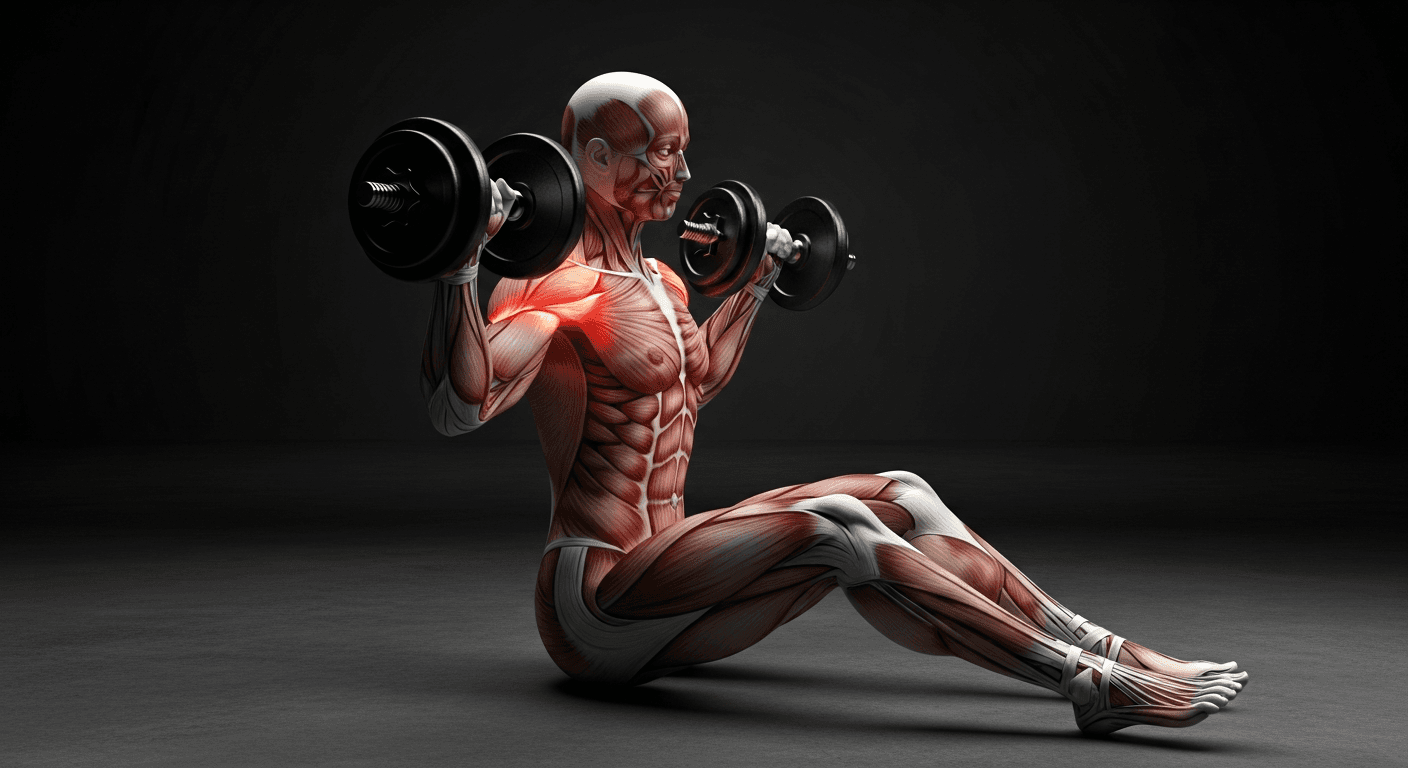
- Monday: Push (chest, shoulders, triceps)
- Tuesday: Pull (back, rear delts, biceps)
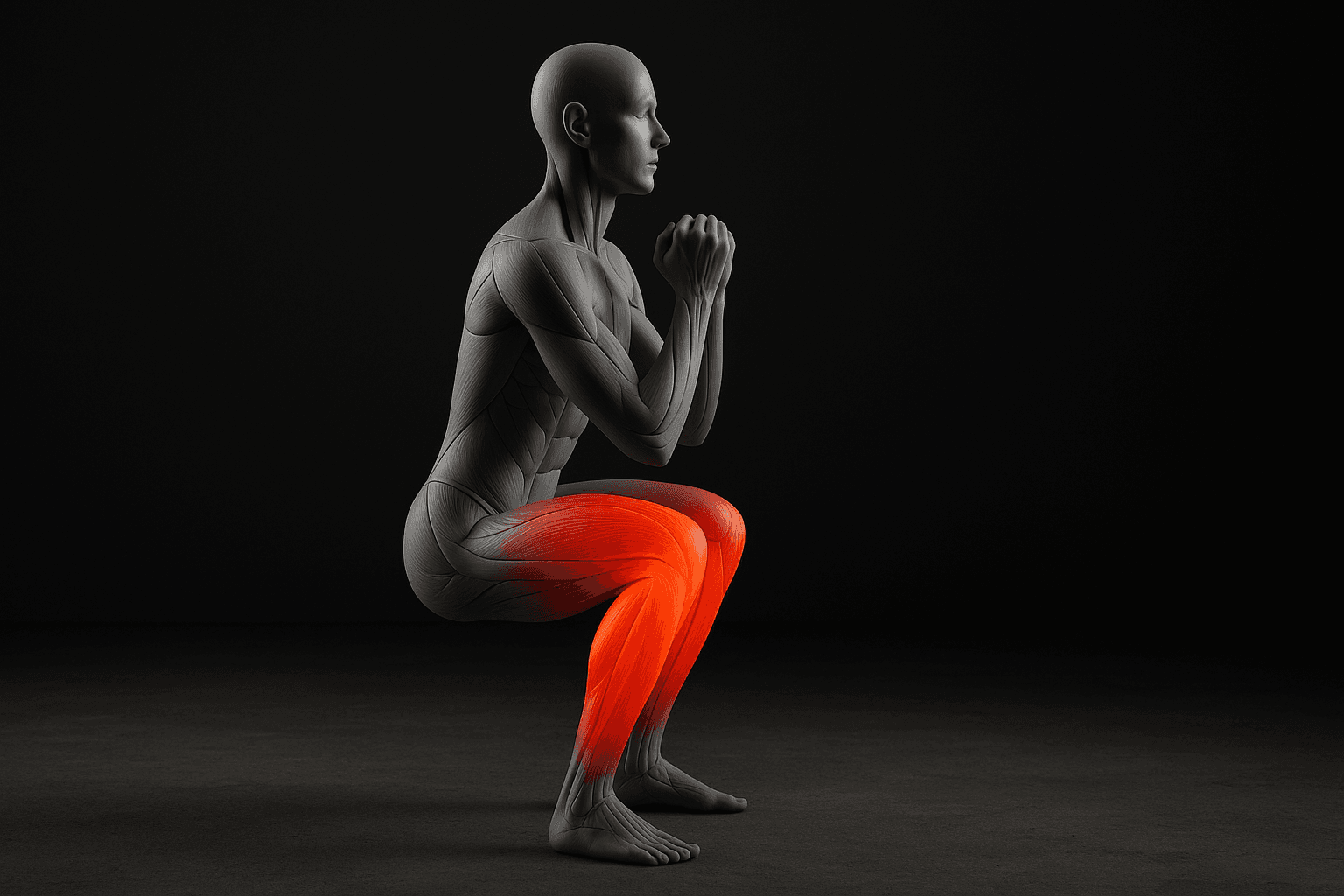
- Wednesday: Legs (quads, hamstrings, glutes, calves)
- Thursday: Push
- Friday: Pull
- Saturday: Legs
- Sunday: Rest
Session length: 45–90 minutes depending on volume and rest. Keep two heavier compound movements early, then 2–4 accessory exercises.
How should I choose exercises for each session?
Prioritize movement patterns, not individual muscles. Each session should contain:
- Two compound priorities (multi-joint) for the session’s main targets. Examples:
- Push day: Barbell bench press or incline press, overhead press
- Pull day: Barbell row or pull-up/chin-up, Romanian deadlift or horizontal row
- Leg day: Squat or front squat, Romanian deadlift or leg press
- Two to four accessories that address weak links and balance volume: e.g., flyes, lateral raises, face pulls, hamstring curls, lunges, calf raises.
- Keep exercise selection consistent week-to-week for at least 4–8 weeks to allow progress tracking.
Example session (Push):
- Barbell bench press 4 sets x 6–8 reps
- Overhead press 3 sets x 6–8 reps
- Incline dumbbell press 3 sets x 8–12 reps
- Lateral raises 3 sets x 12–15 reps
- Triceps pushdown 3 sets x 10–15 reps
How much weekly volume should I target, and how is it distributed?
Evidence-based hypertrophy guidance places practical weekly working sets per muscle in a range. Use concrete targets:
- Weekly sets per muscle (hypertrophy): 10–20 sets. Beginners toward the low end; intermediates toward the middle-high end depending on recovery.
- With 6-day PPL (each muscle twice): plan roughly 5–10 effective working sets per muscle each session.
Distribute volume with compounds contributing the bulk. Remember indirect work: bench press also works triceps and anterior delts, rows hit biceps—count overlap when totaling weekly sets.
What rep ranges and intensity should I use?
Use a mix to develop strength and hypertrophy:
- Main compounds: 4–8 reps for strength-focused blocks or 6–12 for hypertrophy-focused blocks.
- Secondary compounds/accessories: 8–15 reps.
- Isolation and higher-rep accessories: 12–20 reps when needed for blood flow and fatigue management.
Keep most working sets within 60–85% of 1RM for compound lifts when targeting lower-rep ranges. For hypertrophy sets, aim for sets that reach moderate proximity to failure (leave 1–3 reps in reserve on most sets).
How do I progress week-to-week?
Use simple, trackable rules:
- Pick target rep ranges per exercise (e.g., 6–8, 8–12, 12–15).
- Double progression: add reps first; when you can complete the top reps for all sets for a given exercise, increase load next session by a small increment (e.g., 2.5–5% for upper-body, 5–10% for lower-body or use microplates).
- If you can't add load, add a set or increase reps within range. Track weekly total volume (sets x reps x load) and aim for gradual increases over several weeks.
Deloading: plan a lighter week every 4–8 weeks depending on fatigue and performance: reduce volume by ~30–50% or reduce intensity while keeping movement practice.
Who is 6-day PPL suited for, and who should avoid it?
Suited for:
- Intermediates to advanced lifters who need higher weekly volume to progress.
- People who prefer shorter, focused workouts and can commit to six sessions.
- Lifters who recover well (adequate sleep, nutrition, low external stress).
Not suited for:
- True beginners — full-body or three-day programs give faster novice gains and simplify recovery.
- People with chronic recovery issues, limited sleep, or high job/family stress.
- Anyone whose schedule makes consistent six sessions unrealistic.
- Those returning from injury without professional guidance.
How does 6-day PPL compare to 3-day full-body or 4-day upper/lower?
| Split | Frequency per muscle | Typical weekly volume | Time per session | Best for |
|---|---|---|---|---|
| 6-day PPL | 2x | High (12–18 sets/muscle) | Short–moderate | Frequent training, high volume needs |
| 4-day Upper/Lower | 2x | Moderate–High | Moderate | Balance of recovery and frequency |
| 3-day Full-body | 2–3x | Low–Moderate | Moderate–long | Beginners, time-limited lifters |
Choose the split that matches recovery capacity, goals, and schedule.
What are the safety considerations?
Stop exercise on sharp or radiating pain; audible pops or acute joint pain warrant immediate evaluation. Warm up movement patterns and build to heavy sets progressively. This article does not diagnose or treat injuries; consult a qualified professional for persistent pain or rehabilitation guidance.
Limitations — what apps and plans cannot do
- No app or program can see or correct your movement patterns in real time; only a coach or therapist can reliably assess form.
- An app cannot manage complex injuries, biomechanical issues, or long-term rehab — a qualified clinician is needed.
- Programming won’t work without consistency, sleep, and appropriate nutrition; adherence and recovery are the limiting factors, not the perfect template.
If you track sessions, sets, and progressive overload digitally, tools like RepBro can simplify logging — but tracking alone doesn't replace sensible load management and recovery decisions.
Safety note: This guide provides programming principles, not medical advice. If you have health concerns, consult a physician or licensed therapist. Stop on sharp pain and get professional evaluation when needed.
Frequently asked questions
- Is 6-day PPL too much for most lifters?
- Six-day PPL is appropriate when you can recover between sessions, consistently hit 10–20 weekly sets per muscle, and have time for frequent training. It’s generally not ideal for true beginners, those with high life stress, or people who can only train 3–4 times weekly.
- How many sets per muscle should I do on 6-day PPL?
- Aim for 10–20 weekly sets per muscle for hypertrophy. With a 6-day PPL (each muscle trained twice), that typically means 5–10 working sets per muscle per session, adjusted by exercise overlap and individual recovery.
- How should I progress on a 6-day PPL?
- Use a simple progression: pick a rep range (e.g., 6–12 for compounds, 8–15 for accessories). When you complete the top reps on all sets, add 2.5–5% load or add reps. Track volume and plan a deload every 4–8 weeks if performance or recovery drops.