GZCLP Explained: A Beginner-Friendly Linear Progression
Clear, actionable guide to the GZCLP program: weekly layout, exercise selection, concrete progression rules, deloading, and who it isn’t suited for.

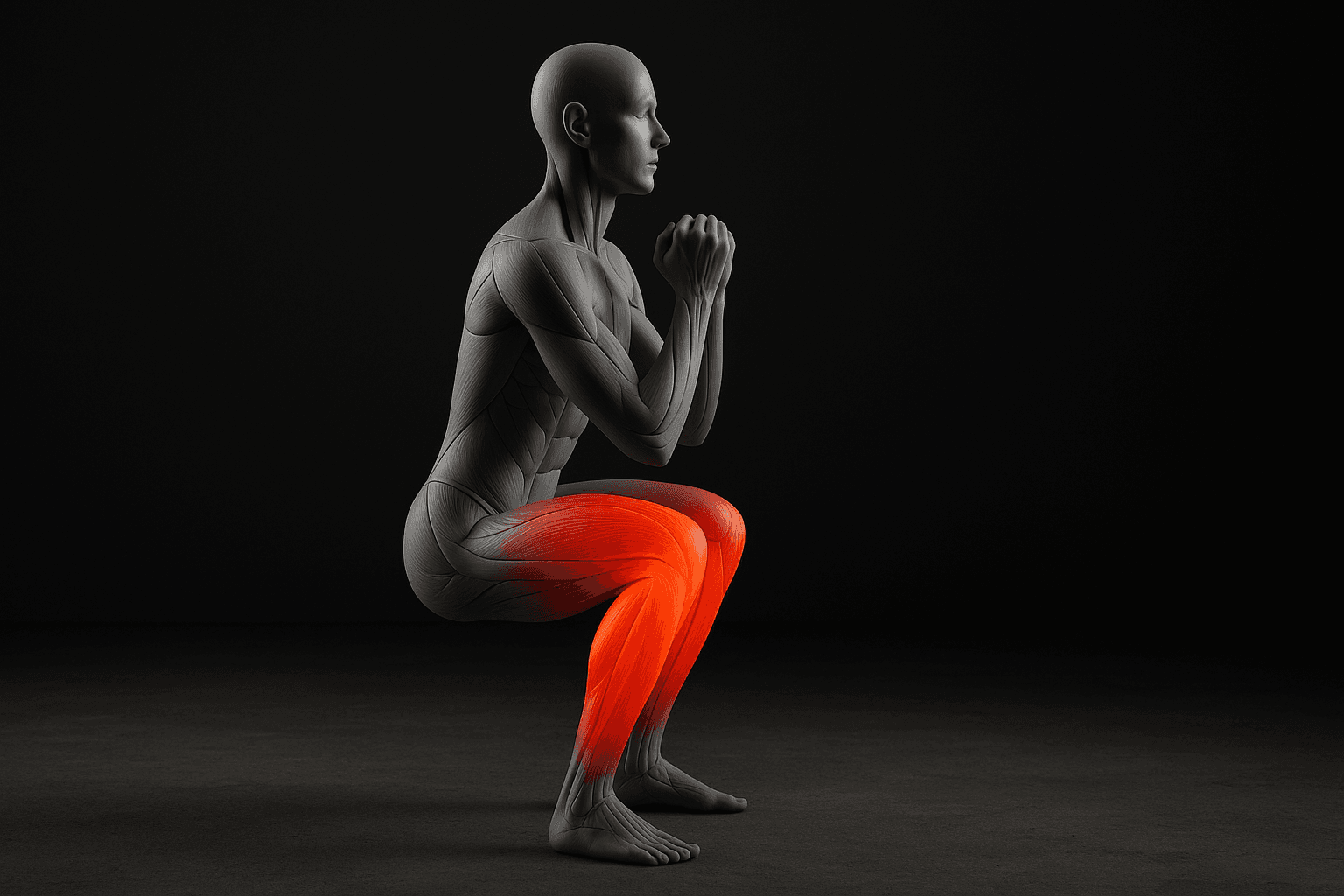
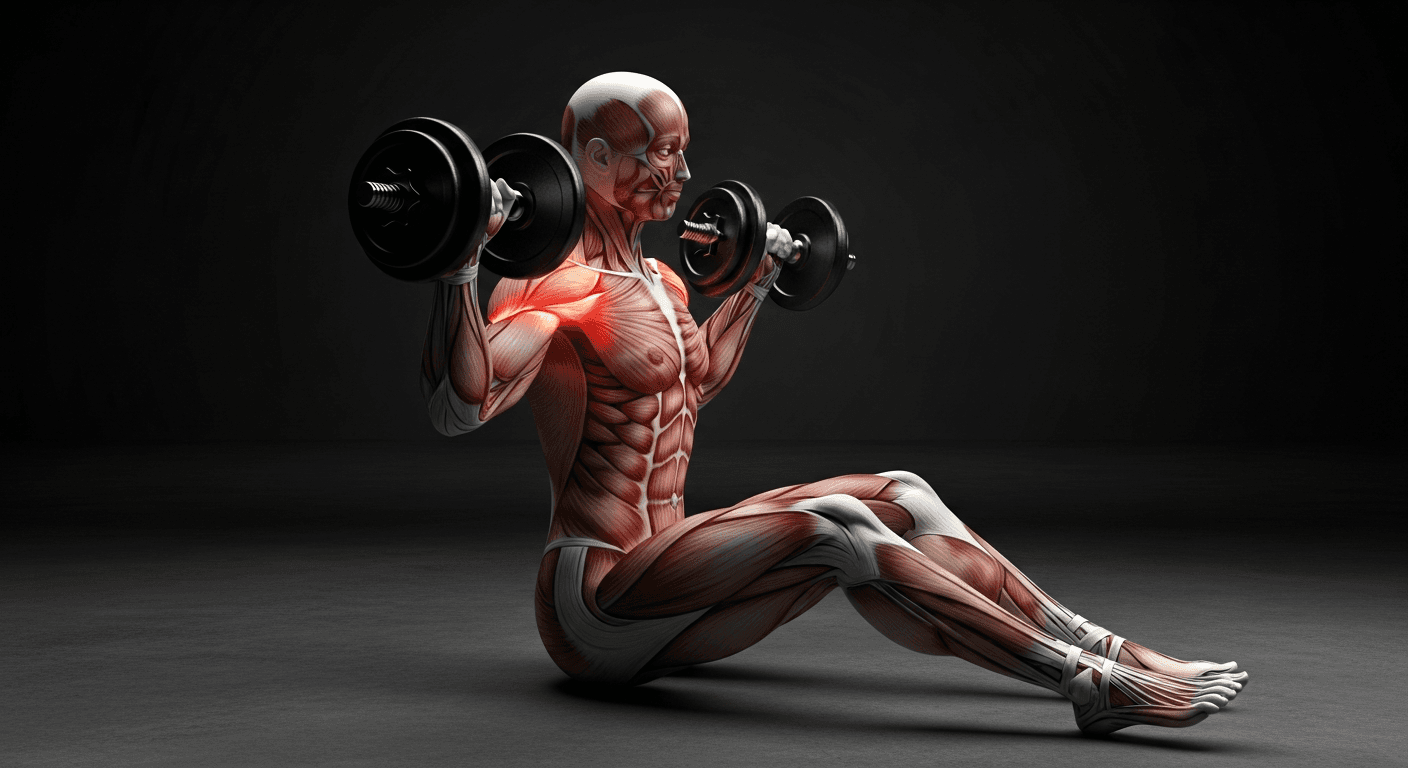
Photo by RepBro.
GZCLP — short for a GZCL-style Linear Progression — is a structured three-tier program for beginners that pairs a straightforward linear strength progression on heavy lifts with moderate compound volume and high-rep accessory work. It emphasizes consistent practice and small weight jumps.
What is the structure of GZCLP (what are T1/T2/T3)?
GZCLP uses three tiers:
- T1: Heavy compound lifts trained for low reps (priority strength work). Examples: Squat, Bench, Deadlift, Overhead Press. Typically 1–3 sets of 1–5 reps.
- T2: Moderate compound or variation work for volume and technical practice. Examples: Close‑grip bench, Romanian deadlift, paused squat. Typically 2–4 sets of 6–12 reps.
- T3: High‑rep accessory and hypertrophy work targeting weak muscles and movement quality. Examples: Face pulls, curls, leg curls, planks. Typically 2–4 sets of 10–20 reps.
This tiering allocates intensity and volume so novices can recover and adapt while learning lifts.
How does a typical 3‑day weekly layout look?
Here’s a concrete beginner template using three full‑body workouts (roughly Monday/Wednesday/Friday). Adjust exercise selection to available equipment and individual needs.
Day A (Monday)
- T1: Back Squat 3x3–5
- T2: Bench Press 3x6–10
- T2: Barbell Row 3x6–10
- T3: Hamstring curl 2x12–15
- T3: Plank 2x30–60s
Day B (Wednesday)
- T1: Bench Press 3x3–5
- T2: Romanian Deadlift 3x6–10
- T2: Overhead Press 3x6–10
- T3: Lat pulldown or chin-ups 3x6–12
- T3: Face pulls 3x15
Day C (Friday)
- T1: Deadlift 1x3–5 (single heavy set is typical for deadlift)
- T2: Front squat or paused squat 3x6–8
- T2: Incline bench or dumbbell bench 3x6–10
- T3: Calf raises 3x12–20
- T3: Core/ab wheel 2–4x8–15
Notes: keep session duration to a level you can recover from. Swap accessory choices to address individual weak points (e.g., posterior chain, upper‑back). Track sets, reps and RPE.
How should you progress week to week?
- T1 progression: Add small, consistent jumps when you complete the prescribed reps for all sets. Common practical increments: 1.25–2.5 kg (2.5–5 lb) for upper‑body lifts and 2.5–5 kg (5–10 lb) for lower‑body lifts. Many lifters add weight weekly until stalling.
- T2 progression: Increase reps or add a set before increasing load. Aim to stay in the target rep range (e.g., 6–10) and raise load when you can complete the top end on all sets.
- T3 progression: Prioritize form, reduce rest, or add reps/sets. Accessories drive hypertrophy and balance, not maximal load.
Progression practical rule: If you miss target reps on a T1 lift, repeat the same weight next session. If you fail multiple sessions (2–3 attempts) on the same lift, consider a small drop (2–5%) or a brief deload.
When and how should you deload or reset?
- Take a deload week after 2–4 weeks of accumulated fatigue if performance declines or if you miss multiple T1 attempts. A deload can be 40–60% of normal intensity and reduced volume.
- If you repeatedly fail a T1 lift for 2–3 sessions, reduce the weight 2.5–10% and rebuild volume for a few sessions before resuming increments.
Deloading helps restore technique and recovery; use objective markers (stalled lifts, poor sleep, increased soreness) rather than arbitrary timers.
How does GZCLP compare with other beginner programs?
| Program | Frequency | Main set/rep focus | Suited for |
|---|---|---|---|
| GZCLP | 3x/week full body | T1: low reps (1–5), T2: moderate (6–12), T3: high (10–20) | Beginners who want balanced strength and hypertrophy |
| Starting Strength | 3x/week full body | 3x5 (compounds) + singles for deadlift | Complete novices focusing on fast strength gains and simple progressions |
| StrongLifts 5x5 | 3x/week full body | 5x5 across main lifts | Beginners preferring simple volume over accessory work |
This table highlights differences in accessory volume, technical emphasis, and flexibility.
Who is GZCLP NOT appropriate for?
- Advanced lifters needing periodized intensity peaks, heavy singles, or sport‑specific cycles: GZCLP’s linear jumps will stall sooner for experienced trainees.
- Athletes with short competition timelines who require specific peaking and tapering plans.
- Lifters with poor recovery (insufficient sleep, high stress, caloric deficit) who cannot tolerate frequent heavy practice.
- People rehabbing significant injuries—work with a qualified clinician before following a standard progression.
What safety measures should I follow?
Always prioritize technical proficiency over load. Stop and reassess if you feel sharp or unusual pain and consult a qualified coach or medical professional. Warm up sets and mobility work reduce acute risk; use spotters or safety pins on heavy bench/squat work.
What are the limitations of apps and automated coaching?
No app or AI can reliably see and correct your bar path, joint angles, or subtle technique faults—those require an experienced coach or clinician. Apps help track numbers and routine adherence, but they can’t diagnose injuries, provide hands‑on corrections, or replace consistent coaching. And a plan only works if you train consistently and manage recovery.
If you want a simple way to log sets, rest and weight increments, tools like RepBro can be useful for tracking progress.
Limitations
- Evidence: linear progression is well‑established as effective for novices, but individual response varies. There are no guarantees of rate of progress.
- Coaching: this article can’t replace in‑person technical coaching, medical advice, or individualized rehabilitation programs.
- Consistency: the program’s effectiveness depends on attendance, nutrition, sleep, and managing life stresses.
If you’re new to barbell work and want a structured path that blends strength practice with accessory volume, GZCLP is an accessible template. Use conservative jumps, watch recovery, and seek hands‑on coaching when technical issues arise.
Frequently asked questions
- What is the GZCLP program?
- GZCLP is a tiered, beginner-friendly linear progression derivative of the GZCL framework. It organizes lifts into heavy compound work (T1), moderate-volume compound/variations (T2), and high-rep accessories (T3). Novices increase load weekly on T1 while keeping T2/T3 as supporting volume.
- How often do I train on GZCLP?
- Most GZCLP templates use three full‑body sessions per week (e.g., Monday/Wednesday/Friday). This frequency balances practice and recovery for novices and fits evidence that early strength gains come from practicing lifts multiple times per week.
- How long should I run GZCLP before switching programs?
- Run GZCLP while you can add weight to your main T1 lifts regularly (weekly to biweekly). When progress stalls for several weeks despite reduced loads and deloading, or you need more specialized work (hypertrophy block, peaking), switch to a more advanced or sport‑specific plan.