Madcow 5x5: When and Why to Run It
Clear, actionable guide to Madcow 5x5: who it’s for, a concrete weekly layout, exercise choices, progression and stall rules, and when to avoid it.
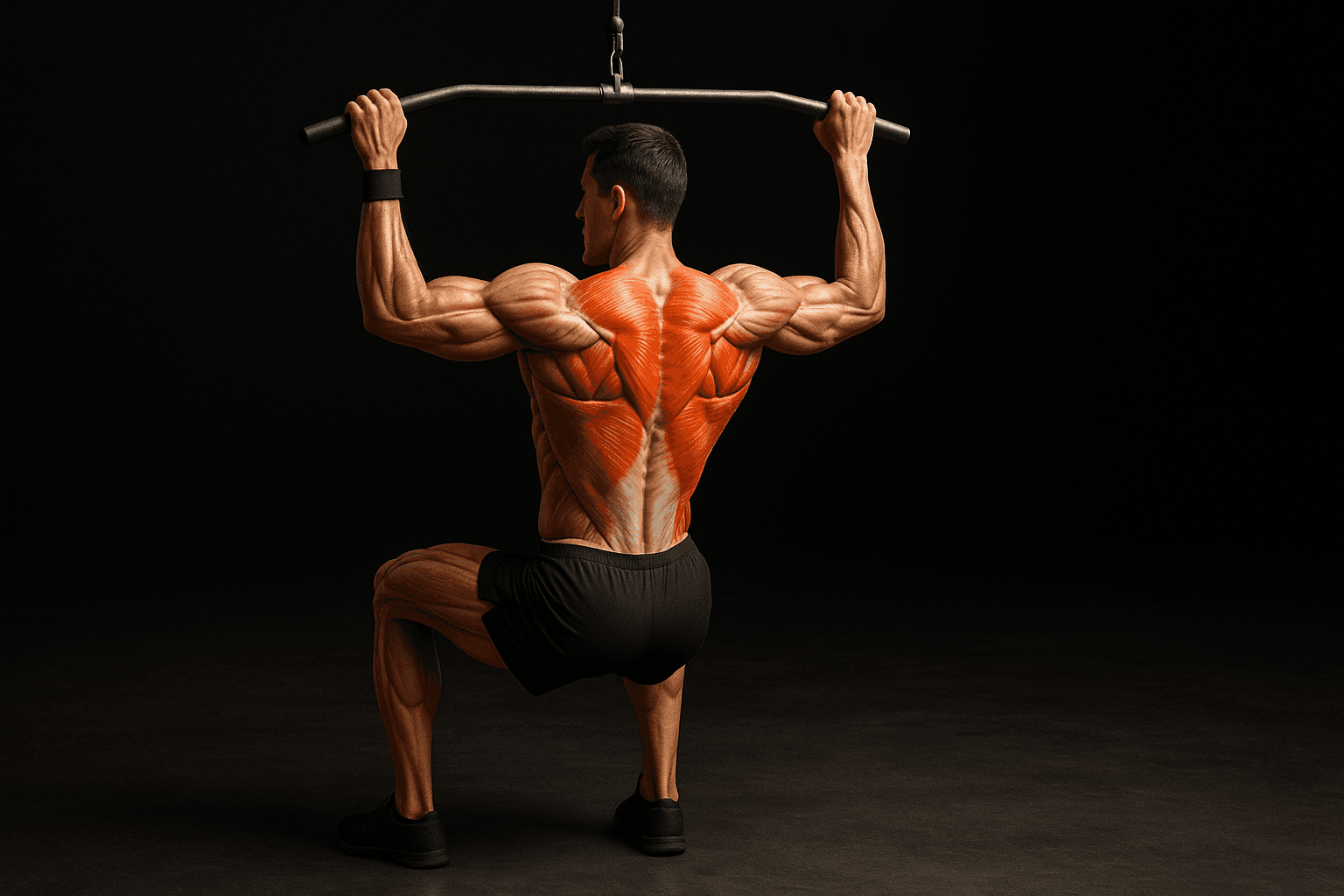
Photo by RepBro.
Answer-first (50 words):
Madcow 5x5 is an intermediate, three-days-a-week barbell program that cycles volume and intensity across the week. Run it once you’ve exhausted novice linear gains, can recover from frequent squatting, and want structured weekly overload with conservative, predictable weekly increases and a plan for handling stalls.
What is Madcow 5x5 and when should I run it?
Madcow 5x5 is an intermediate progression built around heavy compound lifts (squat, bench/press, deadlift/rows) performed in five-rep sets. It’s designed for trainees who have a stable technique and steady training history (several months to a year of linear progress) and need a program that balances volume, intensity and recovery.
Run Madcow when:
- You no longer add weight every workout on a novice plan.
- You can hit three full-body sessions per week and recover between them.
- Your goal is strength (with some size) rather than pure hypertrophy or powerlifting peaking.
How do you structure a week on Madcow 5x5 (exact layout)?
Here’s a practical, commonly used weekly layout (Mon/Wed/Fri):
Day A — Monday (Heavy)
- Squat: warm-ups then 5x5 working sets (last set near RPE 7–8)
- Bench press: 5x5
- Barbell row: 5x5
- Optional light assistance (face pulls, ab work)
Day B — Wednesday (Light/Recovery)
- Squat: 4x5 at reduced load (~10–15% below Monday)
- Overhead press or close-grip bench: 4x5
- Deadlift: 1x5 lighter, focusing on speed/technique
- Assistance focused on weaknesses
Day C — Friday (Intensity/Progression)
- Squat: ramp sets culminating in a top set of 3 reps (or a heavy 5 if preferred); Friday is the day you push for heavier top sets
- Bench: ramp to a challenging top set of 3–5
- Deadlift or good morning variation: 1–3 sets of 5 (Friday deadlifts are heavier than Wednesday)
- Assistance to balance posterior chain and shoulder health
Warm-up sets should be progressive and brisk. Keep assistance short and purposeful — it should help technique, address weak points, and not interfere with main lifts.
Which exercises should I choose and why?
Madcow prioritizes big compound movements for maximal systemic stress and transfer to strength. Core choices:
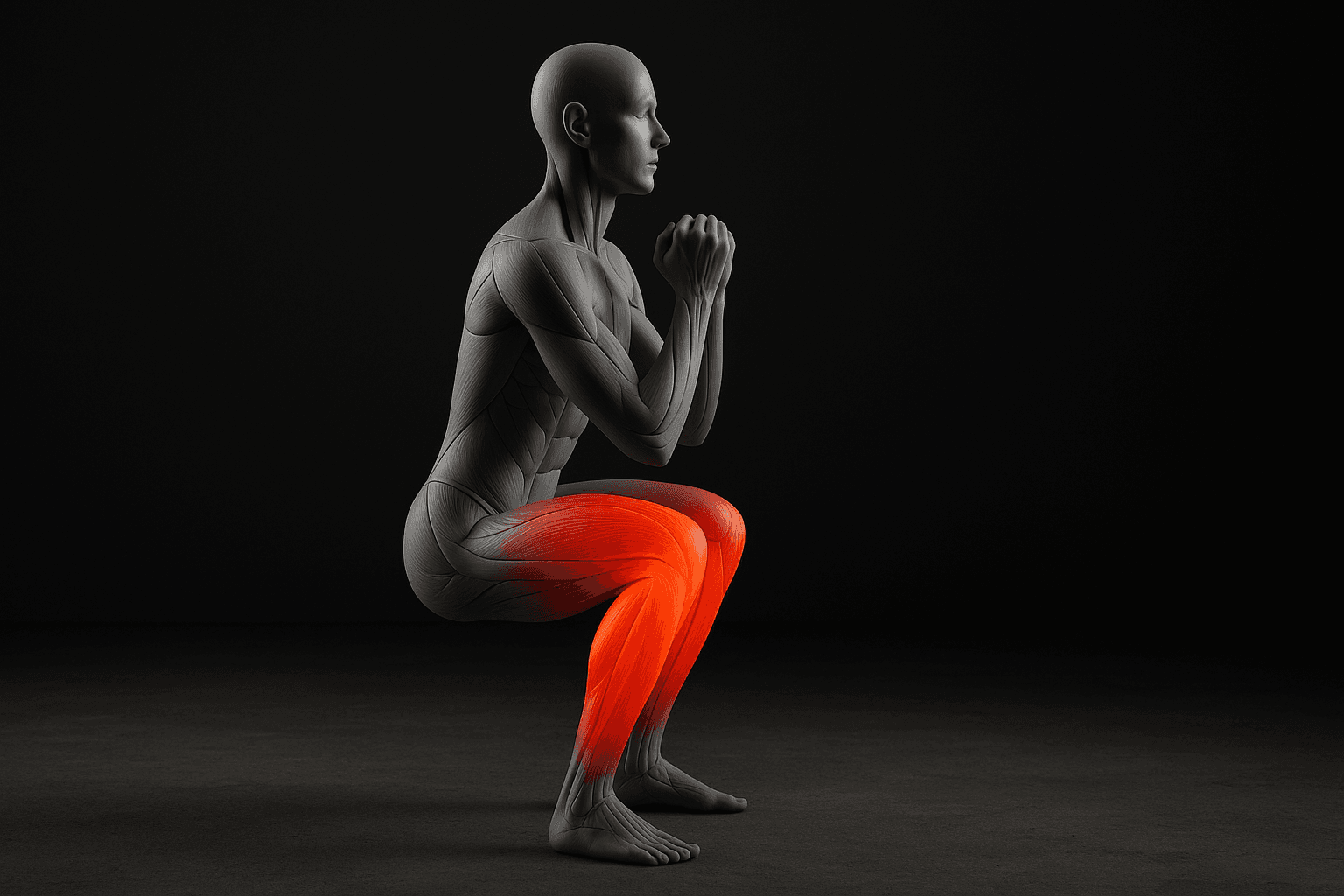
- Squat: mainstay, trained three times per week for frequency and volume
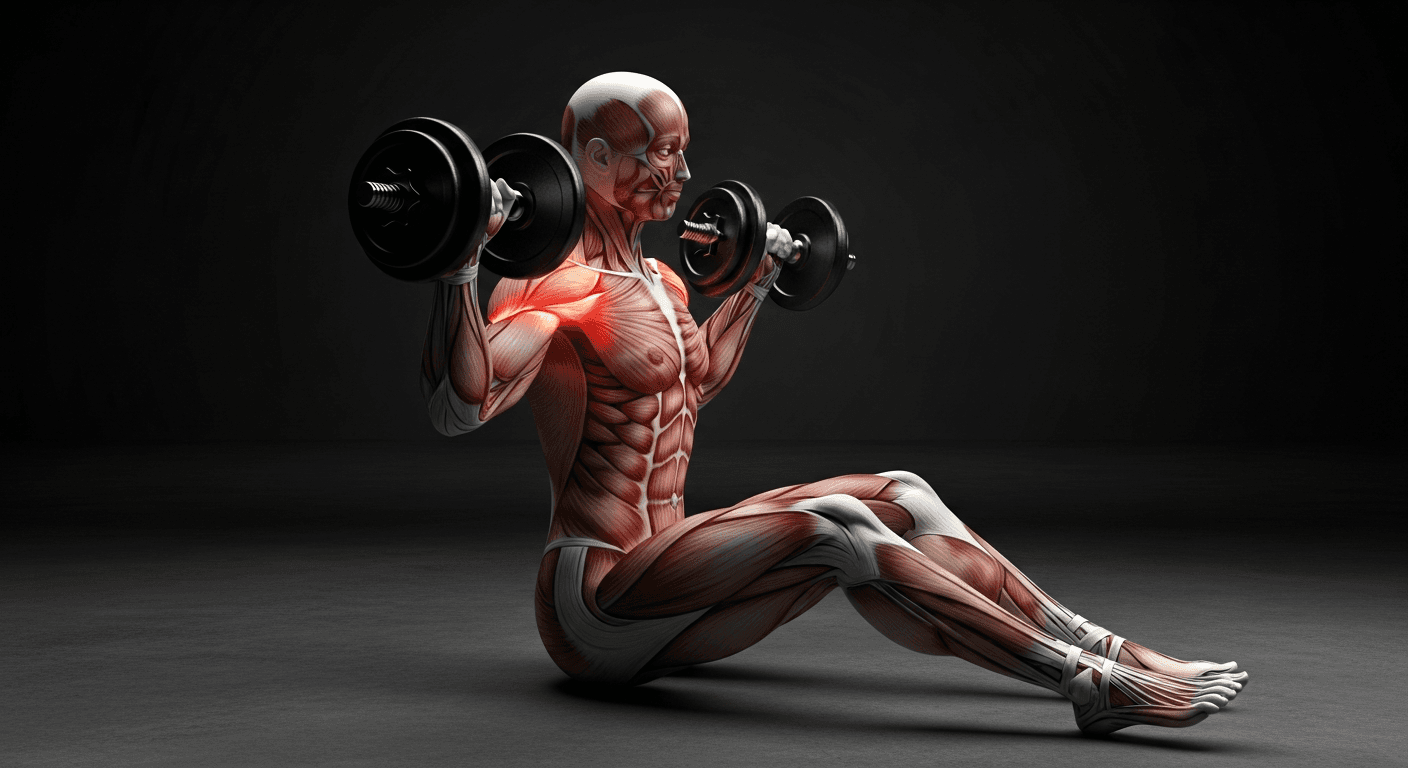
- Bench press / Overhead press: rotate based on benching or pressing emphasis
- Deadlift: low-volume but high-intensity work (often worked once heavier per week)
- Rowing or pulls: to balance pushing and maintain back health
Accessories: pick 2–4 movements that target weak links (hamstrings, glutes, upper back, core). Keep sets moderate (2–4 sets of 6–12) to avoid disrupting recovery.
How do I progress week-to-week and handle stalls?
Progression rules that match Madcow principles:
- Weekly increments: typically +2.5 kg (5 lb) for upper-body lifts and +5 kg (10 lb) for lower-body lifts. Use microplates if needed.
- Monday = heavy 5x5 work; Friday = ramp to a heavier top set (often 3 reps). If you complete Friday’s top set, add the week’s increment for next Monday.
- If you miss a top set, repeat the same weight next week. If you miss the same top set two weeks in a row, reduce your training weight (for example ~10%) and rebuild volume under better control.
- If technique breaks down, deload volume, not just load; re-emphasize technique work.
These rules trade fast gains for slower, more sustainable progression appropriate for intermediate trainees.
How does Madcow compare to other common intermediate plans?
| Program | Sessions/wk | Main idea |
|---|---|---|
| Madcow 5x5 | 3 | Weekly intensity cycling with a heavy day, light day, and intensity day; steady weekly jumps |
| Texas Method | 3 | Volume day, recovery day, intensity day with larger weekly jumps; often more taxing |
| Novice linear (eg. Starting Strength) | 3 | Add weight each workout; better for true beginners |
Pick Madcow if you want predictability with conservative weekly increases and more frequent practice of squats than Texas Method.
Who should not run Madcow 5x5?
- True beginners: they often progress faster on novice programs that add weight every workout.
- Advanced lifters who require sophisticated periodization or specialization and larger deload/peaking phases.
- People with poor recovery (high life stress, poor sleep, heavy manual labor) — the frequency and weekly jumps can outpace recovery.
- Those rehabbing injuries or needing specific movement retraining without professional guidance.
What safety precautions should I follow?
Stop on sharp or unusual pain and consult a qualified healthcare or strength professional. Maintain technique over ego-loading; use appropriate warm-ups and mobility. This article is not a diagnosis; if you have a history of injury, get personalised medical or coaching input.
What limitations should I be aware of?
No app or AI can watch your form, diagnose complex injuries, or replace in-person coaching for technical barbell work. Programs assume consistent attendance — results require consistent training and recovery. If you need rehab, individualized periodization or have persistent pain, consult a qualified physiotherapist or coach. Tracking tools (for example, RepBro) can help log weights and trends but they can’t coach live technique.
If you choose Madcow, keep progress conservative, prioritize recovery, and treat Friday’s intensity as an honest test rather than a grind. This makes steady strength gains more likely while managing injury risk.
Frequently asked questions
- Is Madcow 5x5 right for me?
- Madcow 5x5 suits lifters with several months of consistent barbell training who’ve outgrown novice linear gains. If you can squat, press and deadlift with consistent technique and recover from three weekly full-body sessions, Madcow provides structured weekly progression and intensity cycling.
- How much weight should I add each week on Madcow?
- A common rule is add 2.5 kg (5 lb) to upper-body lifts and 5 kg (10 lb) to lower-body lifts each week. Use smaller increments if you stall frequently, and treat progression conservatively if you’re older or have high training stress outside the gym.
- What do I do when I stall on a lift?
- If you miss a top set, repeat the same weight next week. If you miss two consecutive weeks, drop the training weight by around 10% and re-build with controlled volume. Prioritize technique, recovery, and accessory work for the weak links behind stalls.