PHAT Training: Power Hypertrophy Adaptive Training Explained
PHAT Training explained: 5-day power/hypertrophy split, weekly layout, exercise selection, progression rules, deloads, safety, and who should avoid it.
Photo by RepBro.
PHAT is a five-day split that pairs two low-rep "power" days with three higher-volume "hypertrophy" days to target both strength and muscle growth in the same week. It prioritizes heavy compounds for neural strength and longer sets for muscle stimulus while spreading volume to manage fatigue.
What is the typical weekly layout for PHAT training?
Classic PHAT uses a five-day schedule. A common template is:
- Day 1 — Upper Power (heavy compounds, low reps)
- Day 2 — Lower Power (heavy compounds, low reps)
- Day 3 — Rest
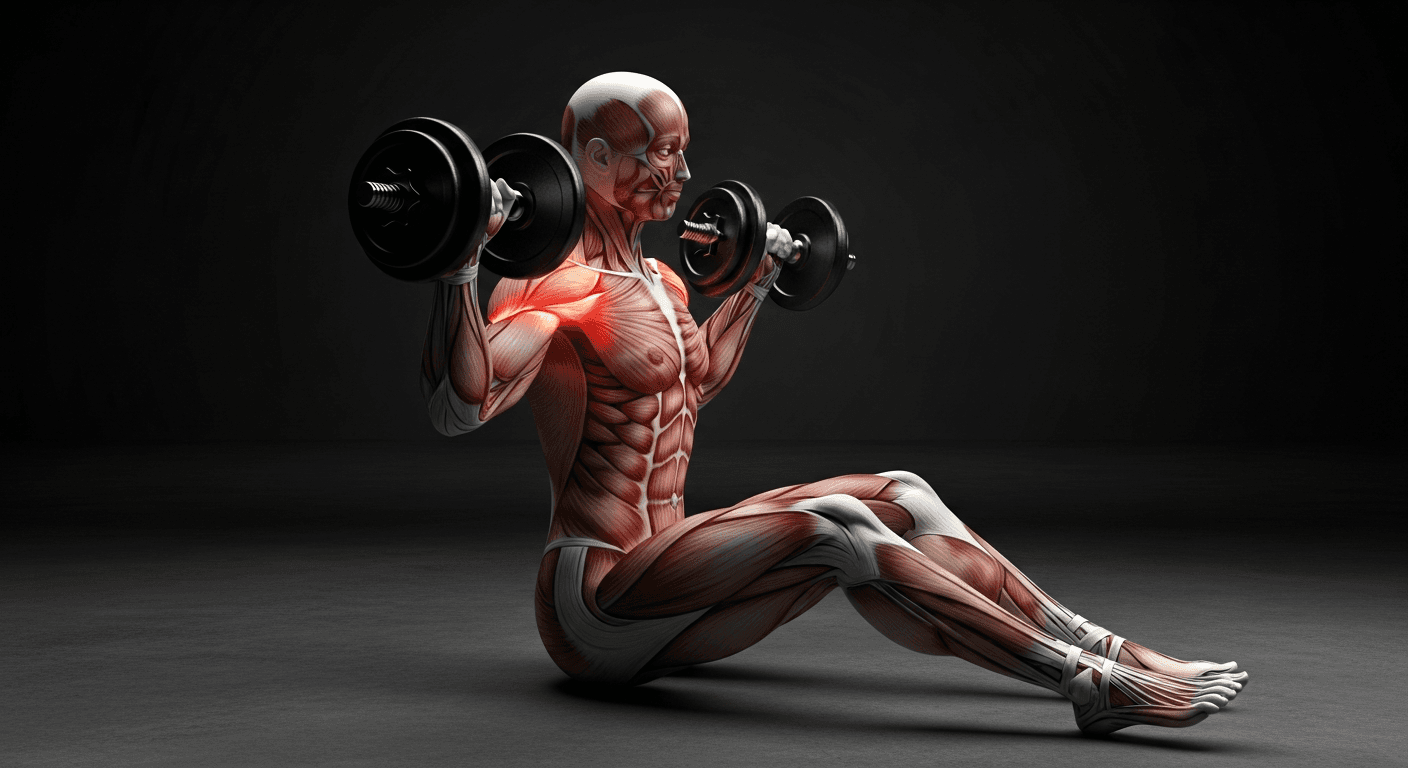
- Day 4 — Back and Shoulders Hypertrophy (higher volume)
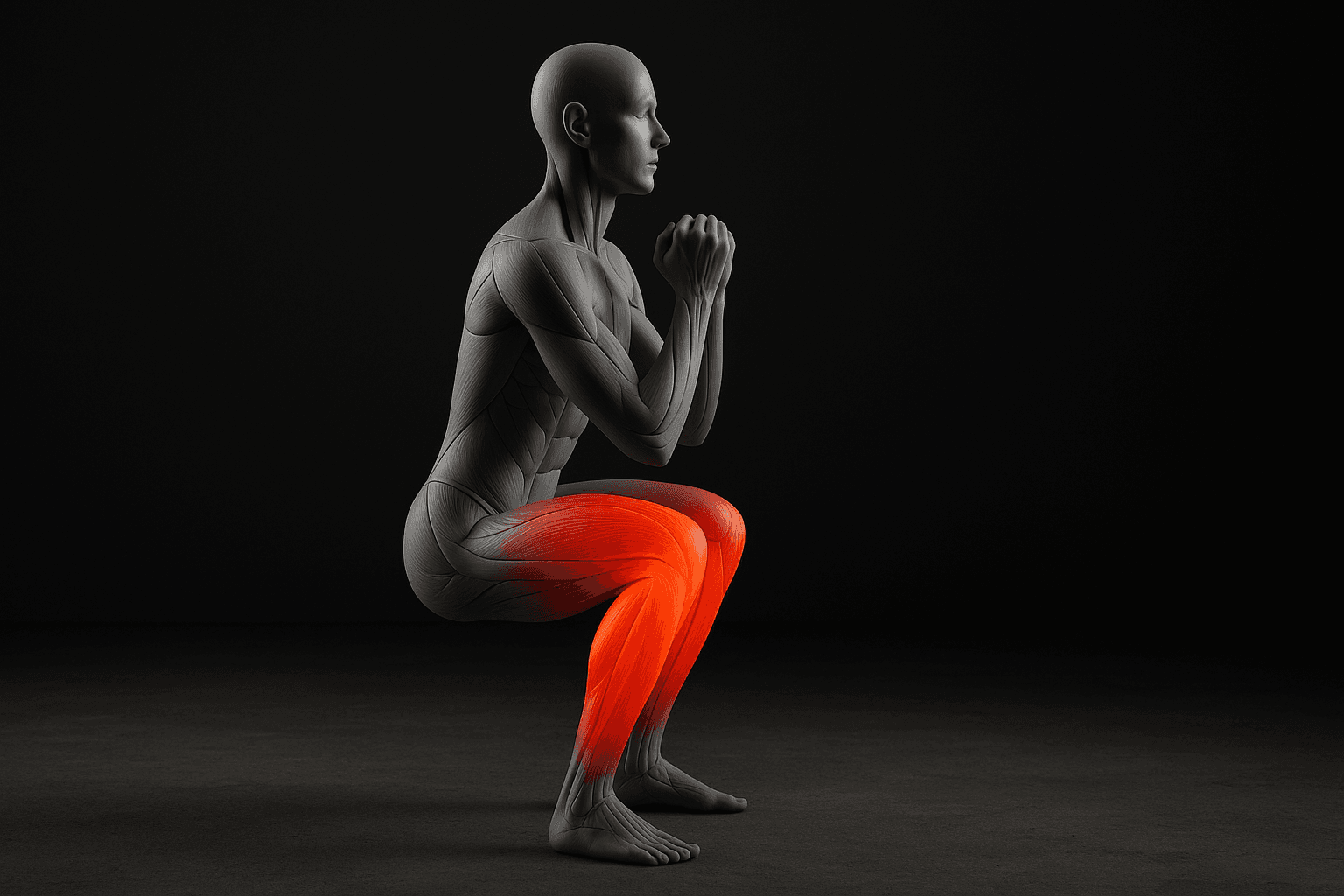
- Day 5 — Lower Hypertrophy (higher volume)
- Day 6 — Chest and Arms Hypertrophy (higher volume)
- Day 7 — Rest
This spreads heavy and high-volume work so key lifts get priority without putting every muscle under maximal fatigue on the same day.
How should I pick exercises for power and hypertrophy sessions?
Exercise selection follows simple logic:
- Power days: prioritize 2–4 compound movements per session (bench, squat, deadlift, overhead press, rows). Use variations that let you move maximal loads safely: flat bench, back squat, deadlift, barbell row.
- Hypertrophy days: include 4–7 movements per session combining compound and isolation work: incline press, lat pulldown, Romanian deadlift, leg press, dumbbell shoulder work, curls, triceps extensions.
Choose compounds first, then accessory lifts that target weak links or muscle groups not fully addressed by the compounds. Keep technique-friendly variations if fatigue is high.
What set, rep, and intensity ranges should I use?
- Power days: 3–5 sets of 3–6 reps for main compounds at heavy intensities (low rep ranges to develop strength and rate coding). Use remaining exercises at 3–4 sets of 6–10.
- Hypertrophy days: 3–4 sets of 8–12 for most compounds, 3 sets of 10–20 for isolation movements.
Weekly volume per muscle should fall within consensus ranges for growth: roughly 10–20 sets per muscle group per week. Adjust toward the lower end if you’re less trained or have recovery limits; aim higher if you’re an experienced trainee and recover well.
How do I progress load and sets week to week?
Use simple, evidence-aligned progression rules:
- Linear progression on heavy lifts while possible. When you hit the top of the rep range for all prescribed sets with good form, add load.
- Use the smallest practical increase (approximately 2.5–5% for upper-body lifts and similar or slightly larger increments for lower-body lifts). If plates don’t allow, add a single rep in an assistance set and then increase weight.
- Track performance and use an RPE or relative effort measure. Aim for 7–9 RPE on hypertrophy work and 8–9 RPE on top sets of power work, leaving technical form uncompromised.
Progress by adding weight, then reps, then volume (extra set) only if recovery supports it.
How should I organize weekly volume per muscle?
A practical breakdown for most lifters:
- Chest/Back: 10–20 total sets per week
- Quads/Hamstrings: 10–20 total sets per week
- Shoulders: 8–15 sets per week
- Arms: 6–12 sets per week
PHAT naturally gives some muscles multiple stimuli per week (e.g., back gets both heavy rows and multiple hypertrophy pulls). Adjust based on soreness and performance: if sets degrade in quality, reduce volume.
How does PHAT compare to PPL or Upper/Lower splits?
| Split | Days/week | Focus | Who it fits |
|---|---|---|---|
| PHAT | 5 | Strength + Hypertrophy in one microcycle | Intermediates who can handle higher volume and frequency |
| PPL | 3–6 | Moderate volume per session, often repeated | Flexible for many levels; easier to scale volume per week |
| Upper/Lower | 4 | Balance of frequency and recovery | Good for strength and hypertrophy with moderate volume |
Choose PHAT if you want concentrated heavy work plus separate high-volume hypertrophy days; choose PPL or Upper/Lower if you need simpler scheduling or lower per-session fatigue.
How and when should I deload?
Plan a deload every 4–8 weeks depending on training age and fatigue. Signs you need a deload: consistent performance drops, rising RPE for given loads, persistent soreness, or reduced sleep/appetite. A deload can mean 40–60% of normal volume or keeping volume but reducing intensity (lower RPE). Short, well-timed deloads preserve progress.
What safety precautions should I follow?
Stop on sharp or unusual pain and consult a qualified professional if pain persists. Maintain technique on heavy days: use warm-ups, progressive ramping, and conservative loading if uncertain. Never attempt maximal lifts without a spotter or safety measures in place.
Who is PHAT training wrong for?
PHAT is not ideal for complete beginners, poorly recovered athletes, or people with limited training time. Beginners benefit more from simpler, lower-volume progressive overload and technique focus. If you can’t commit to consistent 5-day training, or you have unresolved injuries requiring specific rehab, choose a simpler split or work with a clinician.
What can't apps or AI coaching do for my PHAT plan?
Apps and AI are useful for tracking sets, reps, and resting timers, but they cannot see or correct your form, assess pain nuances, or provide hands-on rehab. A plan only works if you consistently train and recover. For injuries, medical advice and hands-on assessment from a qualified professional remain necessary.
Limitations: no app replaces a coach for live technique feedback; no plan guarantees results without consistent adherence; injuries need a clinician’s assessment.
Safety note: this article does not diagnose injury or replace professional medical or coaching advice. If you experience acute or persistent pain, stop and consult a qualified professional.
Track your sets and progression consistently — an app like RepBro can help you log weights, reps, and notes so you make objective progression decisions over weeks.
Frequently asked questions
- What is PHAT training?
- PHAT is a five-day split that combines heavy 'power' sessions with higher-volume 'hypertrophy' sessions to build strength and muscle simultaneously. It mixes low-rep compound work and higher-rep accessory work so muscles get both mechanical tension and metabolic stimulus within a single week.
- How often should I run PHAT each week?
- PHAT is designed as a weekly five-day plan: two power days, three hypertrophy days, and two rest days. Most trainees run it continuously with planned deloads every 4–8 weeks based on performance and fatigue. Adjust frequency if recovery is limited or life is busy.
- Is PHAT suitable for beginners?
- PHAT is generally better for intermediate trainees with at least consistent training experience because it requires managing high weekly volume and technical heavy lifts. Beginners will likely make faster progress on simpler, lower-volume plans focused on learning movement patterns and progressive overload.