Cutting vs Bulking First: How to Decide and What to Do
Decide whether to cut or bulk first based on body-fat, goals, and timeline. Practical calorie, training, and pacing guidance for lifters seeking muscle and strength.

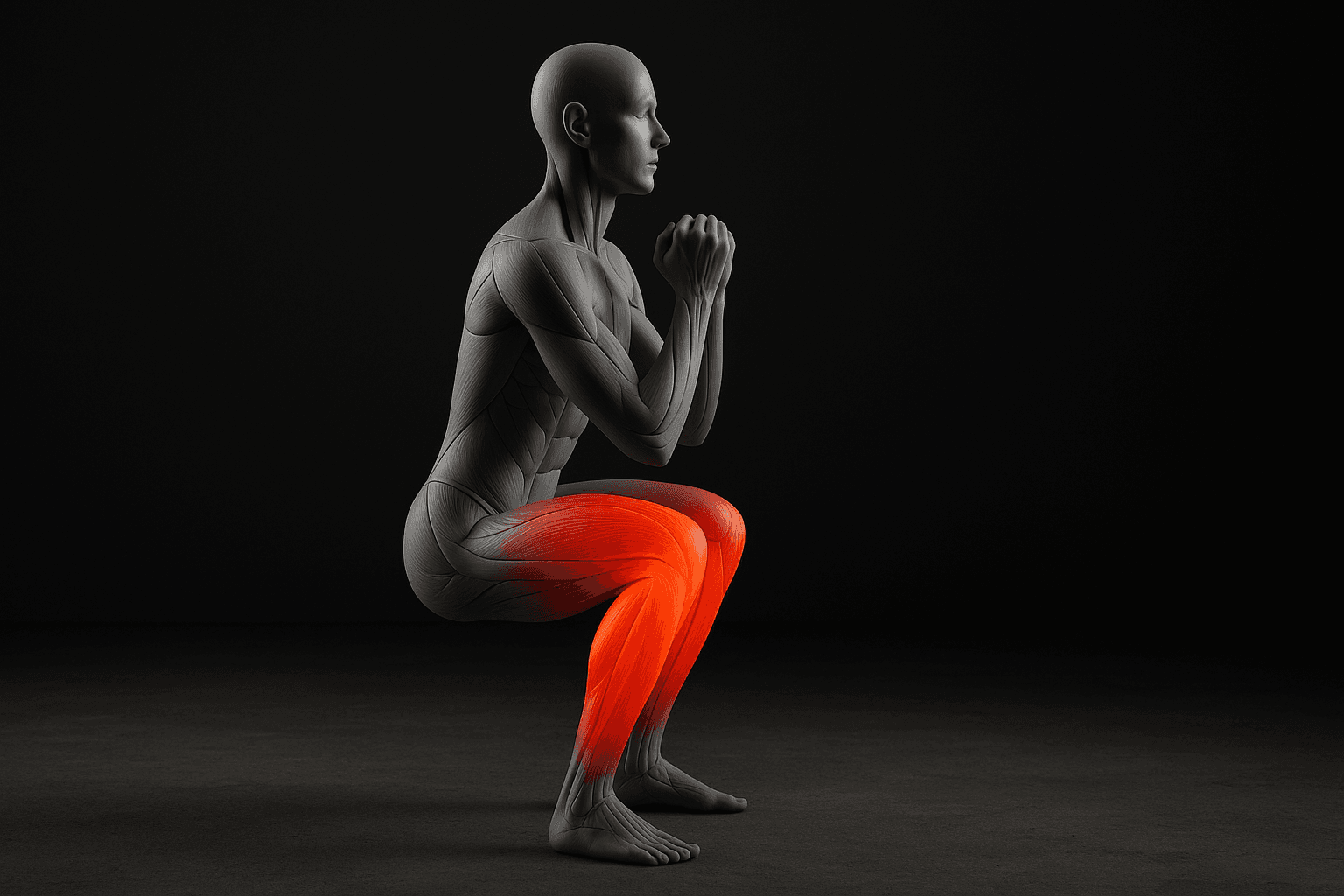
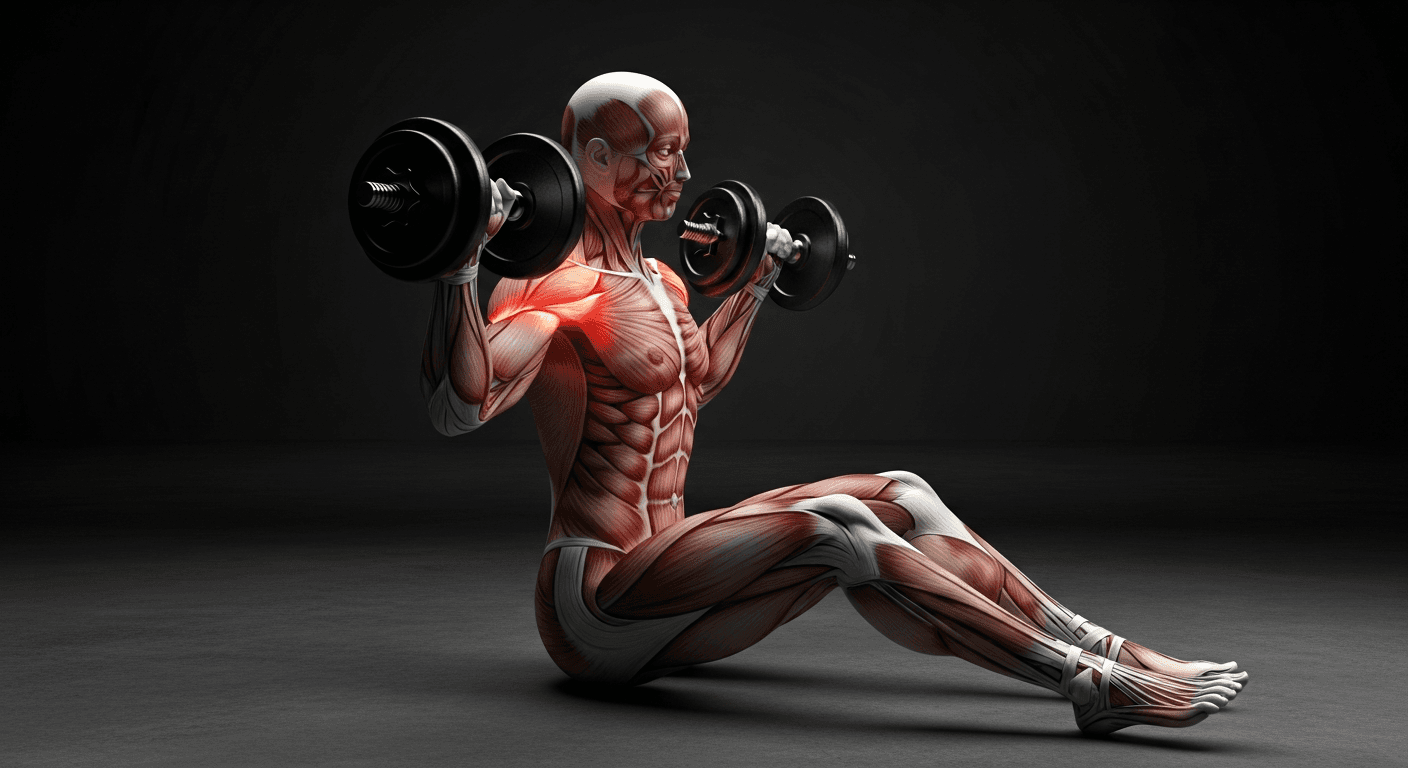
Photo by RepBro.
If your body fat is clearly above ~18–20% for most men or ~28–30% for most women, cut first to improve hormones, mobility, and training visibility. If you’re lean (~12–15% men, ~18–22% women), bulk first. If you’re in-between, prioritize the goal you value most or try a recomposition.
How should I decide between cutting, bulking, or recomposition?
Decide using three factors: body-fat, timeline, and priority. Higher body-fat usually favors a cut (you’ll feel and perform better, and aesthetics change quickly). If you’re already lean, a controlled calorie surplus lets you add muscle with less fat. If time is limited or you want both slowly, recomposition (eat around maintenance, high protein, disciplined training) is reasonable.
Concrete thresholds many coaches use: above ~18–20% men or ~28–30% women → cut; under ~12–15% men or ~18–22% women → bulk. These aren’t absolutes; they’re practical decision points.
What calorie changes should I use for a cut or bulk?
- Cutting: aim for a moderate deficit. A 10–20% calorie deficit is typical to lose fat while preserving performance. Avoid very large deficits that wreck energy and recovery.
- Bulking: use a conservative surplus. A 5–15% surplus reduces excess fat gain while supporting muscle growth.
- Recomposition: aim around maintenance calories or a very small deficit/surplus while prioritizing protein and strength training.
Track body weight and weekly trend rather than daily fluctuations. Adjust after 2–4 weeks based on progress.
How fast should body weight change be?
Keep changes controlled. Rapid weight loss or gain increases the chance of muscle loss or excess fat gain. Most coaches recommend modest weekly rates: slower during cuts to protect muscle and modest during bulks to limit fat. Monitor progress and adjust.
How should training change during a cut or a bulk?
Training principles stay consistent: progressive overload, adequate volume, and frequency. Specifics:
- Intensity: keep lifting heavy where possible. Strength-focused sets (lower rep ranges) are useful to maintain neural strength during a cut.
- Volume: evidence supports 10–20 weekly hard sets per muscle group for hypertrophy as a useful target; start in the lower end if you’re in a deficit and closer to the higher end in a surplus.
- Frequency: 2–3 sessions per muscle group per week is effective for most lifters.
- Progression: aim to add reps, load, or sets over weeks. If a cut reduces performance, prioritize maintaining intensity (load) and reduce volume first.
- Deloads: plan lighter weeks every 4–12 weeks or when performance dips, sleep worsens, or soreness accumulates.
What should my protein, carbs, and fat look like?
- Protein: prioritize 1.6–2.2 g/kg body weight per day to preserve and build muscle. Higher protein helps during a calorie deficit.
- Fats: ~20–30% of calories to support hormones and satiety.
- Carbs: fill the remaining calories with carbohydrates to support training intensity and recovery.
How do I measure progress and when should I switch phases?
Use multiple metrics: weekly weight trend, strength in key lifts, how clothes fit, and periodic photos. If strength and muscle growth stall during a bulk and body-fat rises beyond your comfort zone, cut. If you stop losing fat and energy or strength drops during a cut, consider easing the deficit or taking a short maintenance period.
Comparison: what are the trade-offs of cutting first vs bulking first?
| Goal | Cut first | Bulk first |
|---|---|---|
| Improve body composition quickly | Better (fat loss visible) | Slower (fat may increase) |
| Preserve strength | Harder but manageable | Easier (more energy) |
| Psychological/appearance benefits | Faster visible results | Risk of temporary increased fat |
| Long-term muscle gain | Possible, but slowed while in deficit | Faster when lean and in surplus |
Choose the route that matches your priorities: appearance and short-term adherence vs fastest muscle accrual.
When is a lean bulk preferable to a dirty bulk?
A lean bulk uses a small-to-moderate surplus and focuses on progressive overload and high protein. It minimizes unnecessary fat gain and keeps health markers and aesthetics more favorable. A large surplus speeds weight gain but increases the proportion of fat versus muscle.
Can training approach change my decision?
Yes. Beginners and de-trained lifters can build muscle while losing fat more easily, so recomposition might be optimal. Advanced lifters will see more measurable muscle gain in a surplus and more efficient fat loss in a deficit, so sequencing matters more.
What practical plan should I follow this month?
- Establish baseline: weigh weekly, take photos, and estimate body-fat roughly. 2) Set calories: choose a conservative deficit/surplus as above. 3) Train: 3–5 resistance sessions per week, 2–3x per muscle/week, 10–20 weekly hard sets/muscle. 4) Protein: 1.6–2.2 g/kg/day. 5) Review every 2–4 weeks and adjust.
What about supplements and recovery?
Use supplements as adjuncts: protein powder for convenience, creatine monohydrate for strength and mass gains. Prioritize sleep, hydration, and consistent nutrition over supplements.
Safety note
Stop any exercise that causes sharp or unusual pain and consult a qualified professional. This article does not diagnose or rehabilitate injuries. Training guidance reduces risk but cannot guarantee injury prevention.
What can’t an app or AI do for my cut or bulk?
Limitations: no app can reliably see or correct your form, fully assess medical history, or replace an in-person qualified professional for injuries and rehab. A plan only works if you’re consistent; apps and coaches provide structure, not results by themselves. Use tech for tracking and reminders, but pair it with feedback from trained coaches when needed.
If you want simple tracking, apps such as RepBro can log workouts and progress.
Limitations (honest)
- This article summarizes general, evidence-aligned guidance but is not personalized medical advice. - Exact caloric needs, hormone status, and injury history require individual assessment. - No algorithm or app can perfectly predict your response; monitor, adjust, and consult professionals for complex cases.
If you’re unsure which path to take, start with the decision rule above (body-fat thresholds, timeline, and priority), track for 2–4 weeks, and be ready to pivot based on measurable results. Consistency in training and nutrition, not a single phase choice, determines long-term outcomes.
Frequently asked questions
- Should I cut before I bulk?
- If your body-fat is clearly above ~18–20% for most men or ~28–30% for most women, cutting first is usually sensible. If you’re already relatively lean (~12–15% men, ~18–22% women), start a controlled bulk. Between those ranges, prioritize your main goal or try recomposition.
- Can I build muscle and lose fat at the same time?
- Yes, recomposition is possible. It’s easiest for beginners, returning trainees, and people who add resistance training while correcting poor diets. Expect slower changes than a straight cut or bulk; aim for conservative calorie targets, solid protein intake, and progressive resistance training for best results.
- How long should a cut or bulk last?
- Cuts and bulks are typically multi-week blocks. Aim for at least 8–12 weeks to see meaningful changes. A bulk often continues until you hit a reasonable upper body-fat limit, while a cut continues until you reach your target body-fat or performance goals.