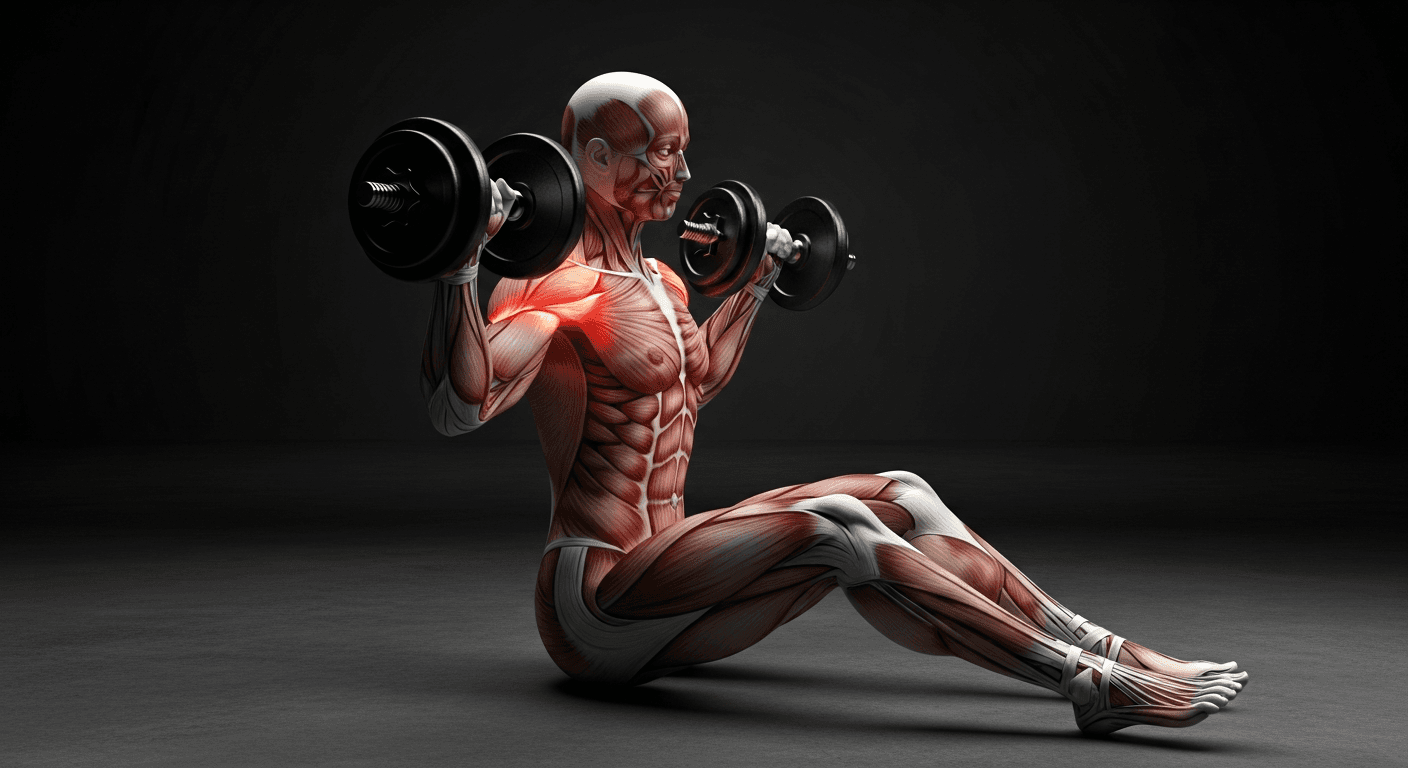
Do Drop Sets Actually Build More Muscle?
Clear, evidence-aware guidance on whether drop sets increase muscle growth, how to use them, and practical programming tips for lifters.

Photo by RepBro.
Answer-first (short)
Drop sets can help build muscle by increasing fatigue, time-under-tension, and volume density, but they don't reliably produce greater long-term hypertrophy than matched-volume straight sets. Use them as a supplemental tool to add concentrated volume or finishers, not to replace progressive overload.
Why this matters
Drop sets are an intensity technique where you reduce load mid-set and continue without a full rest. That increases metabolic stress and total reps in a short time — both mechanisms that contribute to hypertrophy. However, the sports-science consensus is that total weekly mechanical tension (progressive overload and volume) is the primary driver of muscle growth. Drop sets are a method to accumulate more work quickly; they are not a magic substitute for adding load or weekly volume over time.
Do drop sets produce more muscle than straight sets?
Short answer: not reliably. Acute studies show drop sets increase muscle swelling and metabolic markers more than a single straight set, but long-term hypertrophy studies indicate similar gains when total weekly volume is equated. In practice, drop sets may lead to greater growth if they let you increase total weekly effective reps without causing excessive fatigue that reduces future sessions.
When drop sets can be more useful:
- You have limited training time and want to increase work density.
- You need an auto-regulated way to add volume when you can't add heavier loads safely.
- You're using them occasionally as a finisher to target a muscle with extra fatigue.
When they are less useful:
- If they replace progressive overload and reduce ability to recover between sessions.
- If they are used for every set on compound lifts, increasing injury risk and systemic fatigue.
How should I set up a drop set: reps, drops, and rest?
Practical programming rules that work for most lifters:
- Use drop sets as finishers or on isolation/machine movements (curls, flyes, leg extensions). Avoid heavy barbell compounds for repeated drops.
- Do 1–3 drop sets per exercise session for a given muscle; more than that regularly risks recovery problems.
- Use 2–4 drops per set. Reduce load roughly 15–30% each drop so you can keep moving; exact percentages are less important than hitting near-failure on the final drop.
- Rest between drops: minimal (0–10 seconds) to maintain metabolic stress. Rest between drop-set clusters: 60–180 seconds depending on your conditioning and the lift's demand.
- Rep ranges: pick a primary range (6–12 or 8–20) for the first portion; the drops will push you higher in total reps. If you train heavy for strength, keep drop sets limited to avoid interfering with the heavy work.
- Frequency: 1–3 times per week per muscle group, depending on recovery and total program volume.
Progression guidance
Progress the same way you do with straight sets: aim to increase total effective reps, add a drop set where you previously stopped short, or increase intensity (e.g., an extra drop or slightly less reduction between drops). If drop sets hamper recovery or reduce quality of subsequent sessions, reduce frequency or replace with additional straight sets instead.
How do drop sets compare with other intensity techniques?
| Feature | Straight Sets | Drop Sets | Rest-Pause |
|---|---|---|---|
| Primary purpose | Build strength & volume with clear load progression | Increase density and metabolic stress | Create brief recovery to overload reps with heavy load |
| Best used on | Any lift, especially compound work | Isolation & machines | Heavy compounds or machines |
| Fatigue cost | Moderate, predictable | High per-minute; can be high overall | Moderate–high, but controlled |
| Frequency recommendation | Across program (2–3×/week per muscle) | 1–3×/week per muscle | 1–3×/week per muscle (careful) |
Use each tool with a clear purpose: straight sets for planned progression, drop sets for density or finishers, rest-pause when you want to squeeze extra heavy reps.
Where in a workout should I place drop sets?
Place them near the end of a muscle’s work: after heavy compound sets have been completed. That preserves strength in the compound lifts and uses drop sets to add localized fatigue. For example, do squats and deadlifts early, then end with leg extensions or hamstring curls as drop-set finishers.
Safety note
Stop if you feel a sharp or unusual pain and consult a qualified professional for assessment. Drop sets increase local and systemic fatigue; don't use them if you cannot maintain reasonable form. This content is informational and not medical advice.
Limitations — what apps and AI coaching can't do
- No app or AI can watch your form in real time and correct technical faults that increase injury risk.
- For injuries, persistent joint pain, or rehab programming, see a qualified clinician or physiotherapist. Personalized treatment needs assessment beyond general guidance.
- A plan only works if you follow it consistently and recover properly. Drop sets can increase short-term volume, but progressive overload and consistent training drive long-term results.
Practical sample session (leg isolation finisher)
- Leg extensions (after squats/deads): 2 drop sets. Start with a weight you can do 8–12 reps to near-failure, immediately drop ~20%, do reps to near-failure, drop another ~20% and finish. Rest 90–120s between drop sets.
Tracking and measurement
Track total volume (sets × reps × load) and subjective recovery. If a drop-set week raises your perceived exertion and reduces performance on heavy days, dial back frequency. If you log sets, apps like RepBro can help you measure accumulated volume and fatigue.
Summary
Drop sets are a legitimate hypertrophy tool to increase density and metabolic stress when used strategically. They do not reliably outperform matched-volume straight sets for long-term muscle growth. Use 1–3 drop sets as finishers on isolation movements, limit frequency to preserve recovery, and prioritize progressive overload across weeks and months.
Further reading
Look for systematic reviews on resistance training variables and hypertrophy, and read applied programming guides from certified strength and conditioning sources to place drop sets within a broader plan.
Frequently asked questions
- Do drop sets build more muscle than regular sets?
- Drop sets can increase acute metabolic stress and overall work per minute, which helps hypertrophy when you need extra volume. But when total weekly volume is matched, long-term muscle gains are similar to regular sets; use drop sets to increase density or finish a muscle, not as a daily staple.
- Can I use drop sets with compound lifts like squats or deadlifts?
- Prefer drop sets for isolation or machine exercises. Doing them with heavy compounds increases injury risk and impairs recovery. If you want higher density for lower-body work, use lighter compound variations or finish with single-joint movements using drops.
- How often should I include drop sets?
- Include drop sets 1–3 times per week per muscle group as a supplemental intensity technique. Use them at the end of a session to add volume without much extra time. Avoid using drop sets on every set of every workout—recovery and consistent progressive overload matter more.