What to Actually Expect in Your First Month at the Gym
Clear, evidence-aware expectations for your first month at the gym: what changes to expect in strength, size, fatigue, training frequency, and nutrition to make steady progress.

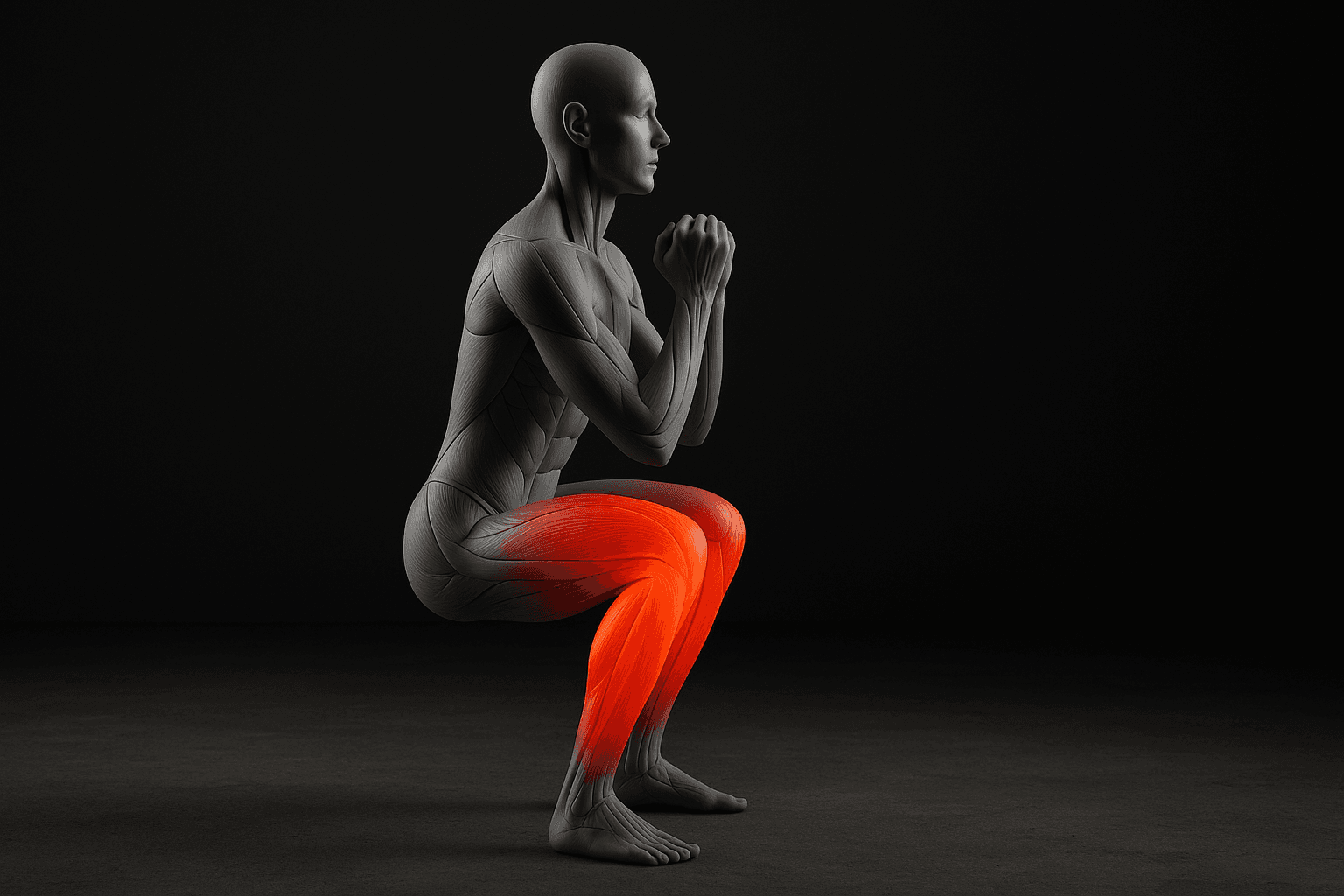
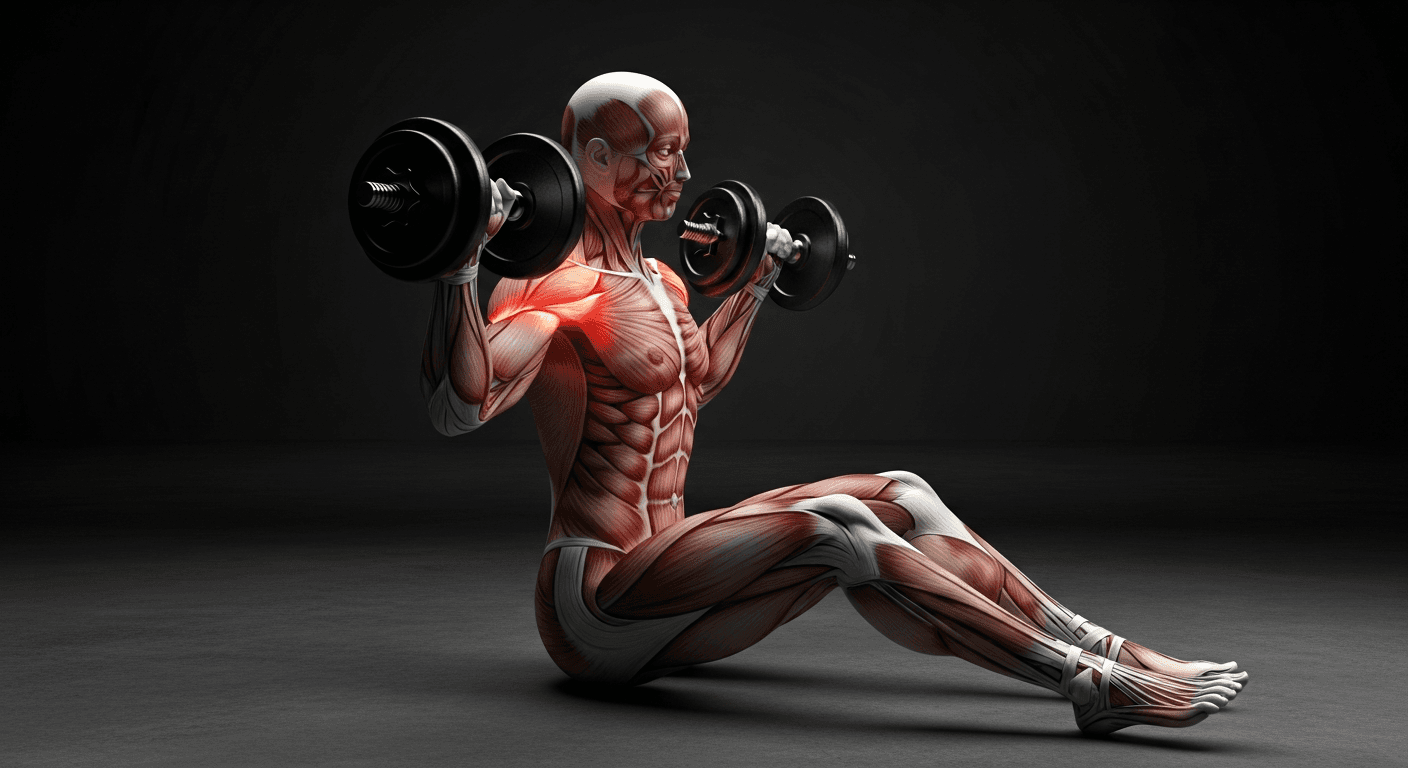
Photo by RepBro.
In your first month at the gym expect rapid nervous-system improvements in strength, modest visible muscle change, and improved work capacity. You’ll learn lifts, recover quickly, and can train 2–4 times weekly. Progress is mostly technical and neural—numbers typically improve before measurable size gains.
What should I expect in week 1?
You’ll spend most of week 1 learning movement patterns, establishing a baseline for lifts, and getting used to gym equipment and terminology. Expect soreness (delayed onset muscle soreness) for 24–72 hours after unfamiliar workouts. Use lighter loads to learn position, breathing, and tempo—practice matters more than loading early on.
How much strength and size will I actually gain in 4 weeks?
Strength: Most beginners see notable improvements in the first month because the nervous system becomes better at recruiting muscles and executing coordinated movements. That looks like better bar path, steadier knees, and higher single-session or week-to-week lifts.
Size: Visible hypertrophy is usually limited within four weeks. Some people—especially those returning from a layoff—notice early size increases due to muscle memory and improved muscle tone. Substantial, measurable muscle growth tends to accumulate over months.
Practical point: track lifts (weight × reps) and photos/measurements. Early progress is best judged by consistency of technique and incremental load increases.
How often should I train and how much volume is appropriate?
Frequency
- 2 sessions/week: workable for beginners with tight schedules; split work across full-body sessions.
- 3 sessions/week: efficient for balancing practice and recovery; commonly recommended for new lifters.
- 4 sessions/week: allows higher weekly volume and slightly faster practice, but requires reliable recovery.
Volume (evidence-aligned ranges)
- Aim for 10–20 working sets per major muscle group per week, spread over sessions. Start at the lower end (10–12 sets/week) and add volume if you recover well.
- For complete workouts, 8–12 reps on compound movements is appropriate for concurrent strength and hypertrophy for most beginners.
What workouts and sets should I do in month one?
Structure sessions around compound lifts: squat or split squat, hinge (Romanian deadlift or trap bar), pressing (bench or overhead), rowing (barbell/DB row), and accessory work for glutes, hamstrings, and upper-back. Sample weekly outline:
- 2× week: Full-body A/B (3–5 exercises/session) — 8–12 working sets per muscle/week.
- 3× week: Full-body or upper/lower hybrid — 10–15 sets per muscle/week.
Set/repetition guidance:
- Compound lifts: 3–4 sets of 5–12 reps depending on weight and focus.
- Accessory isolation: 2–4 sets of 8–15 reps.
Keep the first 2–3 weeks lighter to ingrain technique; use a deliberately controlled tempo and stop short of failure on most sets.
How should I progress week to week?
Progression for beginners should be simple and measurable. Options that align with consensus:
- Linear progression: add small weight increments each session when you can complete target reps with good form (typical increments: 1–2.5 kg / 2.5–5 lbs on big lifts is useful, smaller for upper-body work).
- Volume progression: increase sets across weeks if recovery permits.
Rule of thumb: if you complete all prescribed sets and reps with good form for two sessions in a row, increase load or reps slightly. Don’t chase maximal sets-to-failure—consistency and gradual overload matter more.
Nutrition, recovery, and other practical numbers
- Protein: target roughly 1.6–2.2 g/kg bodyweight per day for muscle support.
- Calories: maintenance or a modest surplus (+200–500 kcal/day) supports growth; beginners can experience recomposition while eating around maintenance if new to training.
- Sleep: aim for 7–9 hours per night; sleep quality strongly influences recovery and adaptation.
- Hydration: maintain normal hydration; replace fluids after long sessions.
Comparison: frequency and weekly volume (simple guide)
| Frequency | Sessions/week | Weekly sets per major muscle | Best for |
|---|---|---|---|
| 2× | 2 | 8–12 | Busy starters; focus on form |
| 3× | 3 | 10–16 | Skill acquisition and steady volume |
| 4× | 4 | 12–20 | Faster volume progression; more practice |
Choose the lowest frequency you can consistently attend and increase only when you recover well and want faster progress.
Safety note
Stop any exercise immediately if you feel sharp or unusual pain. Progression should not sacrifice clean technique. This article does not diagnose or treat injuries—consult a qualified clinician or certified strength coach for persistent pain or rehab needs.
How will I feel day-to-day?
Expect increased energy and improved mood for many people, plus localized muscle soreness after new movements. Strength sessions should feel challenging but manageable; excessive fatigue, persistent joint pain, or performance decline are signs to back off and reassess recovery, volume, or technique.
When should I consider a deload or adjust volume?
In the first month, planned deloads are usually unnecessary. If you experience three consecutive sessions of poor performance, continuous soreness that doesn’t improve, or disrupted sleep/appetite, reduce volume by 20–40% for one week or take additional rest days.
Limitations (what apps, plans, and AI can't do)
- No app or AI can reliably see or correct your form—only a qualified coach or clinician in person can assess movement mechanics.
- If you have a history of injury, structural issues, or pain with certain movements, get evaluated by a healthcare or rehab professional before following a program.
- A program only works if you consistently show up; adherence and progressive overload determine long-term results more than app choice.
If you want structured tracking that keeps workouts simple and progressive, consider logging sets, reps, and weight with an app you trust (for example, RepBro offers session logging and progression features), but remember the limits above.
Summary: expect quick technical and neural gains, modest visible size change, and improved work capacity. Train 2–4 times a week, follow progressive overload with sensible incremental increases, prioritize protein and sleep, and address pain with a professional when it appears. Consistency in those first four weeks sets the foundation for measurable gains over the coming months.
Frequently asked questions
- How much strength will I gain in the first month?
- Expect noticeable strength gains driven mostly by improved technique and nervous system adaptations. You’ll lift heavier with the same form within weeks, but exact increases vary; don’t rely on bodyweight percent targets—track lifts and focus on adding small, consistent load increments.
- Will I see visible muscle growth in 4 weeks?
- Visible muscle change in one month is often modest. Early improvements are mostly neural and posture-related. Some beginners notice firmer muscles and small size changes, especially if they were previously sedentary, but meaningful hypertrophy typically requires 8–12+ weeks of consistent stimulus and nutrition.
- How often should I go to the gym during the first month?
- Train 2–4 times per week depending on your schedule and recovery. Aim for 8–18 total working sets per major muscle group per week, split across sessions. Two full-body sessions are enough to start; three sessions increase volume and learning opportunities.