How Heavy Should Your First Dumbbells Be? Practical Starting Weights for Beginners
Clear, evidence-aware guidance on how heavy dumbbells should be for beginners with concrete starting weights (kg/lb), progression tips, and safety notes.
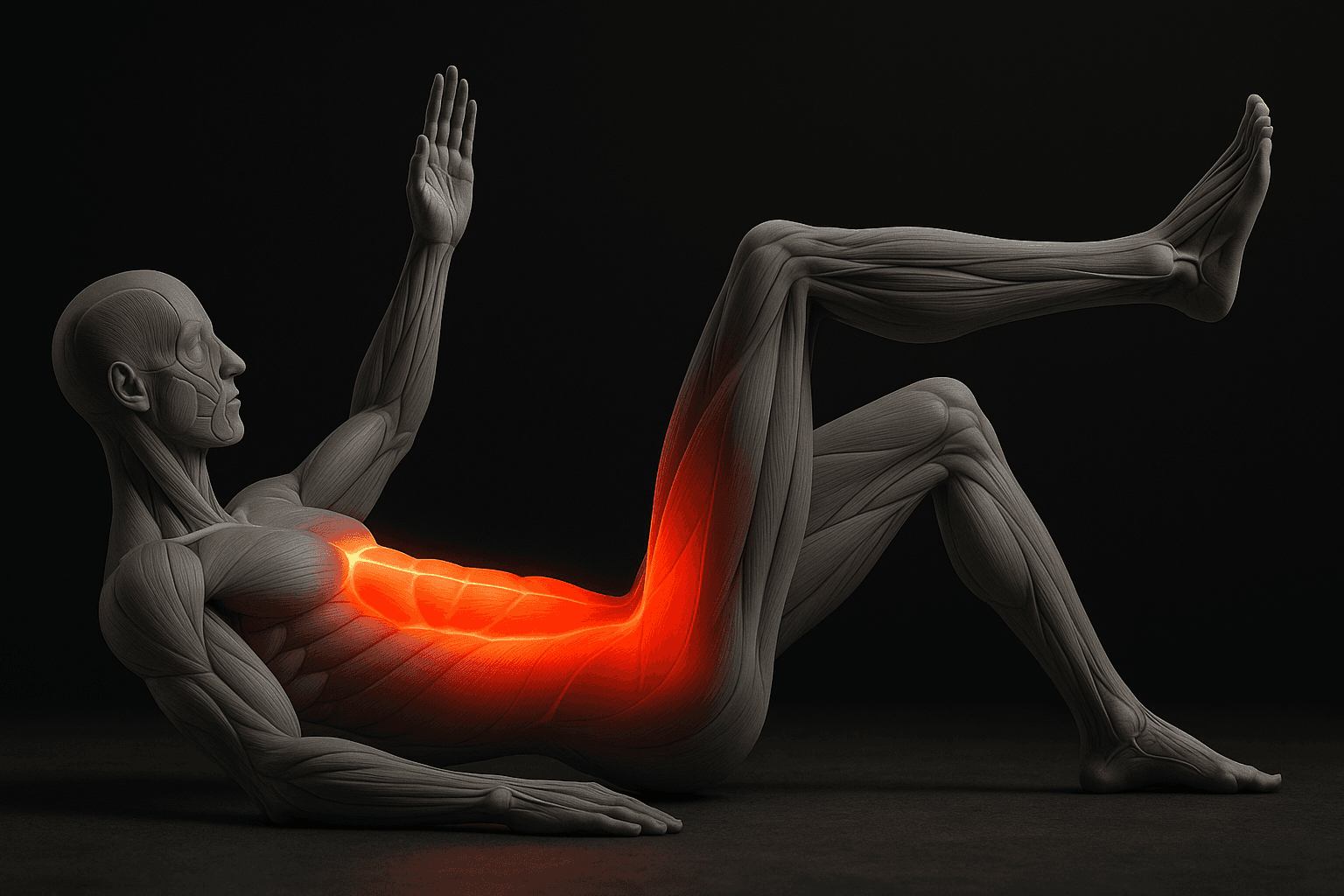
Photo by RepBro.
How heavy should your first dumbbells be? Pick weights that let you complete 8–12 controlled repetitions with the last 1–2 reps challenging but doable with good form. In practice, that usually means starting around these single-dumbbell weights: women — upper-body 3–6 kg (6–12 lb), lower-body 6–12 kg (13–26 lb); men — upper-body 8–12 kg (18–26 lb), lower-body 12–20 kg (26–44 lb). If you’re smaller, older, or returning from a layoff, subtract one increment; if you’re athletic or lifting regularly, add one increment.
How I picked those numbers
Beginners progress fastest by learning movement patterns and using weights that allow 8–12 repetitions per set. That rep range balances motor learning and sufficient loading without excessive fatigue. The numbers above are practical starting points based on how exercises load the body: upper-body pressing and rowing actions require smaller absolute loads than lower-body squats, lunges, and Romanian deadlifts, which use larger muscle groups.
Think in single-dumbbell increments (what you hold in each hand). For bilateral moves like goblet squats or dumbbell bench press, choose a single weight for each hand; for unilateral work (single-arm row, single-leg RDL), you’ll often use the same or slightly lighter weight.
Quick selection checklist (do this once per exercise)
- Pick a weight and perform a slow test set of 8–12 reps. Keep tempo controlled (about 2 seconds concentric, 2 seconds eccentric).
- If you finish 12 reps and could do 4–5 more with good form, increase weight.
- If you stop before 6 reps or your form breaks, lower the weight.
- If you land in 8–12 reps and the final 1–2 reps are hard but solid, that weight is appropriate.
Concrete starting-weight guide (single dumbbells)
- Beginners (general population):
- Women — upper-body: 3, 4, or 6 kg (6–12 lb); lower-body: 6, 8, or 12 kg (13–26 lb).
- Men — upper-body: 8, 10, or 12 kg (18–26 lb); lower-body: 12, 15, or 20 kg (26–44 lb).
- Returning exercisers / athletic beginners: add one increment above the appropriate range.
- Older adults or deconditioned beginners: start at the low end (3 kg/6 lb or 6 kg/13 lb) and prioritize technique.
These are starting points — individual differences in limb length, leverage, and coordination mean you’ll still need to test and adjust.
Which exercises use heavier vs lighter weights?
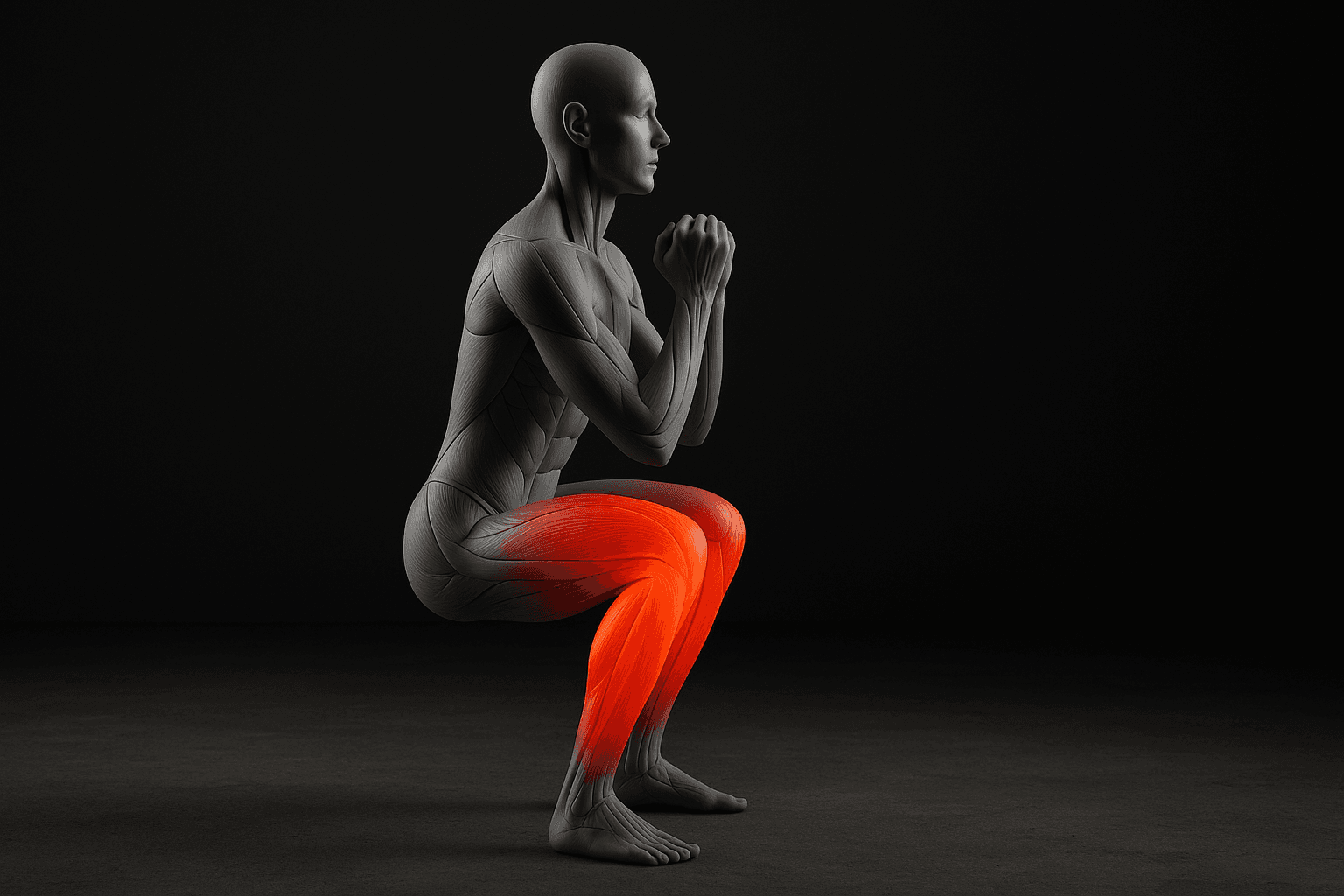
- Heavier (start here with the upper end of the range): goblet squat, split squat, Romanian deadlift, farmer’s carry.
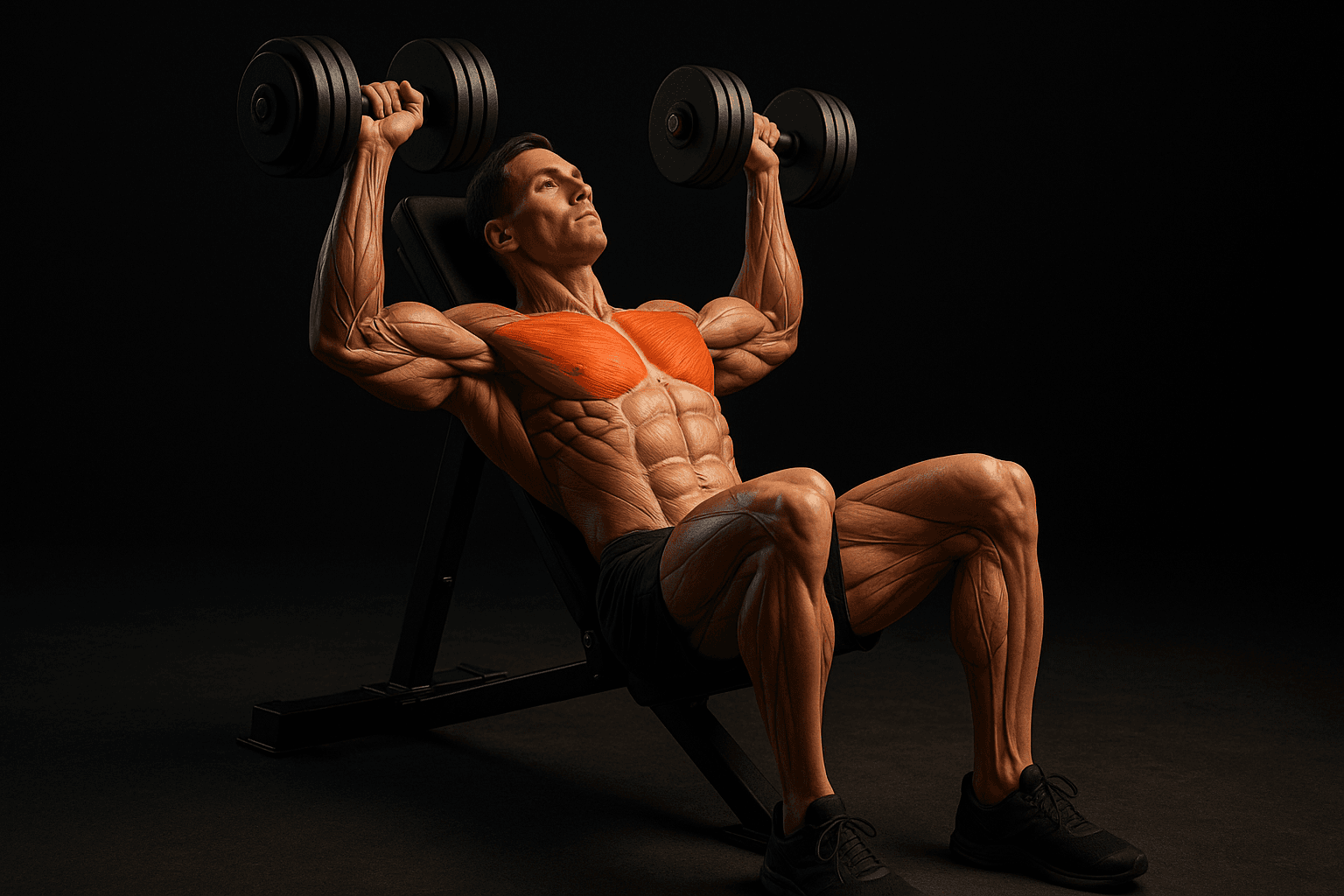
- Moderate: dumbbell bench press, single-arm row, Bulgarian split squat.
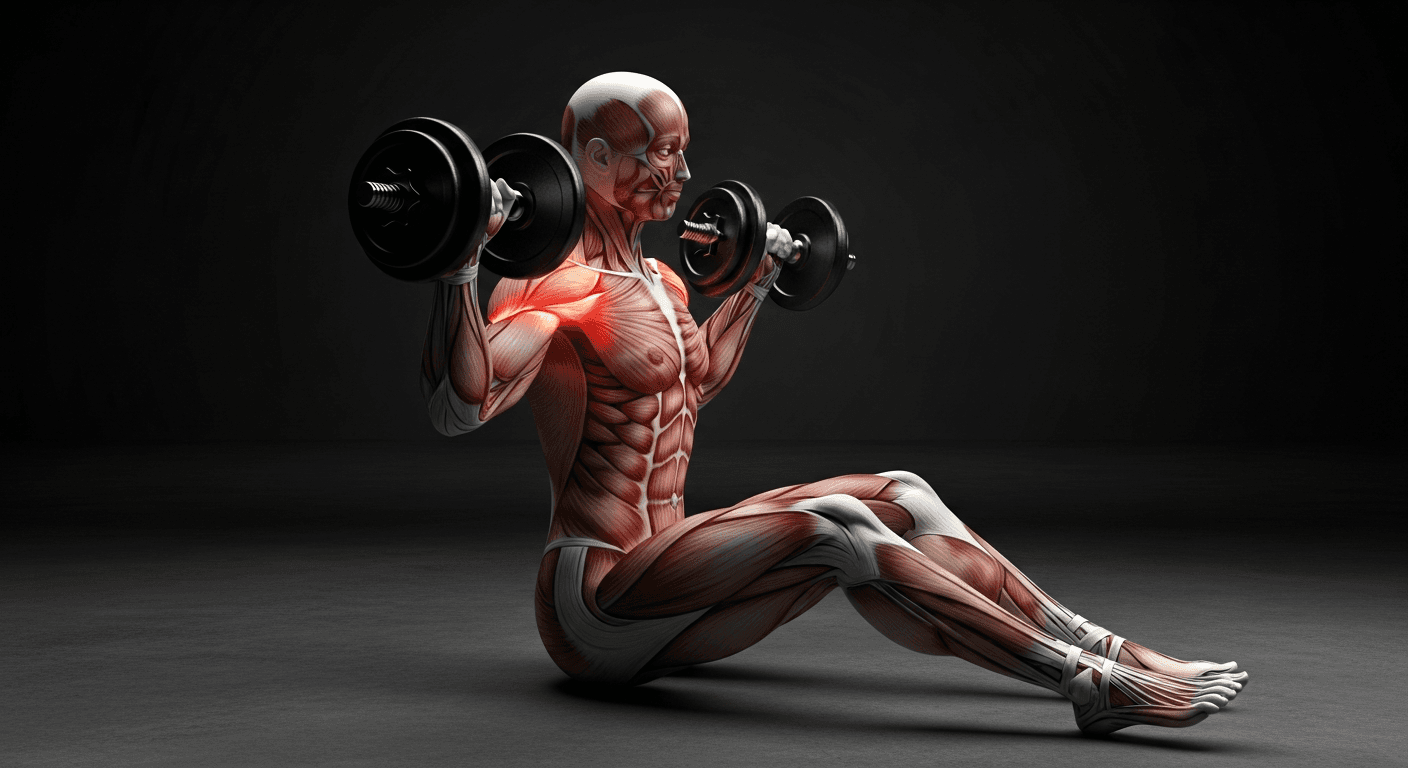
- Lighter: overhead press, lateral raise, biceps curl, triceps extension.
You’ll often use twice as much weight for a goblet squat as for an overhead press. That’s normal.
How many sets and reps for a beginner
Start with 2–3 sets per exercise and 8–12 reps per set for 2–3 full-body workouts per week. That frequency gives enough stimulus for strength and motor learning without overreaching. As you progress, gradually add sets, exercises, or increase weight.
Progression rules that actually work
- When you can do 2–3 extra reps over your target range in two consecutive sessions, increase weight.
- Typical weight jumps: +1–2.5 kg (2–5 lb) per dumbbell for upper-body lifts, +2.5–5 kg (5–10 lb) for lower-body.
- If you don’t have smaller plates to add, increase reps or slow tempo until you can buy or access smaller increments.
If you track sets, reps, and weight (digital or pen-and-paper), progression becomes obvious. If you use a training app, many allow easy logging and progress reminders — learn more on RepBro.
Buy adjustable or fixed dumbbells?
If budget and space allow, adjustable dumbbells or a small set of fixed pairs are more practical than one pair. Adjustable sets that cover ~2.5–20 kg (5–45 lb) per hand let you progress across most beginner and intermediate exercises. If you’re comparing options, see a quick comparison at https://www.repbro.app/vs.
Safety note
Stop any set if you feel sharp or unusual joint pain; mild muscle burn is normal, sharp pain is not. Check form first, reduce weight, and consult a qualified coach or healthcare professional if pain persists. This article is informational and not medical advice.
Troubleshooting common problems
- Can’t complete 8 reps: drop to the next lighter weight or reduce range of motion until technique improves.
- Finish 12 reps too easily: increase weight even if it feels uncomfortable for the first set — the goal is failure in the last reps, not pain.
- Progress stalls: ensure 48–72 hours recovery between full-body sessions, check sleep and nutrition, and add small, consistent weight increases.
Short FAQ
Q: How many dumbbells should I buy to start?
A: At minimum get two pairs (light and medium) or one adjustable set that covers at least 2.5–20 kg (5–45 lb) per hand.
Q: Should I always use the same weight for all exercises?
A: No — use heavier weights for legs and compound moves, lighter weights for shoulders and isolation exercises.
Q: Is it better to focus on reps or weight?
A: Both. Prioritize hitting a rep target (8–12) with good form; then increase weight when reps become easy.
One-sentence honest takeaway: Start with weights that let you perform 8–12 clean reps with the final reps challenging (women often begin 3–12 kg / 6–26 lb, men 8–20 kg / 18–44 lb depending on the exercise), track progress, and increase weight in small, sustainable steps.
Frequently asked questions
- Should beginners buy adjustable or fixed dumbbells?
- Adjustable dumbbells (or a small set of fixed pairs) are usually best: they save space and let you progress. If you want one recommendation, choose an adjustable pair that goes at least 2.5–20 kg (5–45 lb).
- How quickly should I increase dumbbell weight?
- Increase weight when you can do 2–3 extra reps beyond your target range for two consecutive workouts; typical jumps are 1–2.5 kg (2–5 lb) per dumbbell for upper-body and 2.5–5 kg (5–10 lb) for lower-body movements.
- What rep ranges should beginners use?
- Aim for 8–12 reps for beginner hypertrophy/strength work and 12–20 reps for muscular endurance. Choose a weight that makes the last 1–2 reps challenging while keeping good form.