How Long Until You See Results From the Gym?
Direct, evidence-aware timelines: strength gains in weeks, visible muscle in months, and fat-loss rates—practical numbers and how to track progress.
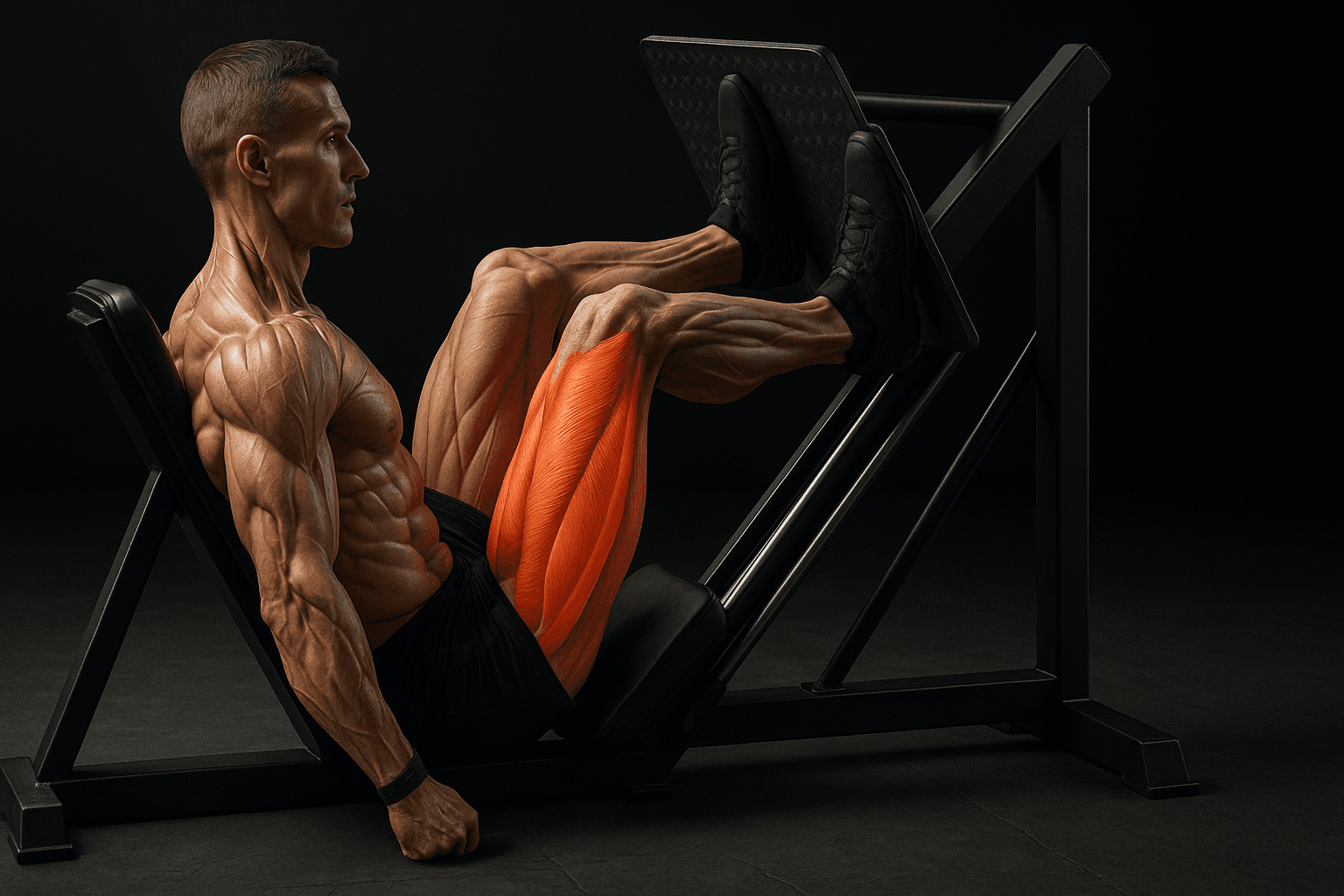
Photo by RepBro.
How long until you see results from the gym? Short answer: you will feel and measure strength improvements in 2–6 weeks, many people start to notice visual changes (size and shape) at about 8–12 weeks, and meaningful body-composition shifts (visible fat loss or more obvious muscle) typically take 3–6 months with consistent training and nutrition.
What counts as a “result” and how soon does each type appear?
- Strength (performance): 2–6 weeks. Early gains are mostly neuromuscular — your nervous system learns to recruit muscles more effectively. Expect easier lifts, better form, and noticeable weight increases on key lifts in this window.
- Measured strength increases: 6–12 weeks. With progressive overload, you can reliably add 5–20% to compound lifts during this period depending on experience.
- Muscle size (hypertrophy): 8–12 weeks for many beginners; clearer changes at 3–6 months. Substantial increases in cross-sectional muscle area take several months of consistent stimulus and sufficient protein/calories.
- Fat loss (visible): 4–12 weeks for noticeable differences if you maintain a sensible calorie deficit and keep up resistance training; larger shifts require longer.
These are typical timelines — leaner people will see muscle definition sooner; people carrying more fat may need longer to see the same visual changes.
How does experience level change the timeline?
- Beginner (first 6–12 months): fastest visible progress. Expect early strength jumps and earlier hypertrophy because of a low starting base.
- Intermediate (1–3 years): slower, steadier progress. Gains require more precise programming (volume, intensity, recovery).
- Advanced (3+ years): incremental progress; expect months to years for meaningful changes. Small improvements require targeted programs and tight nutrition control.
What actually determines how quickly you see results?
- Training consistency: 2–4 sessions/week for total-body gains, or 4–6 if you’re on a split. Stick to a plan for at least 8–12 weeks.
- Progressive overload: increase weight, reps, or sets over time. If the stimulus doesn’t increase, adaptation stalls.
- Nutrition: for muscle gain, aim for a 250–500 kcal/day surplus and protein ≈ 1.6–2.2 g/kg bodyweight (≈0.7–1.0 g/lb). For fat loss, a 300–500 kcal/day deficit with the same protein range preserves muscle.
- Sleep and recovery: 7–9 hours/night supports adaptation and appetite regulation.
- Initial body composition and genetics: starting fat percentage, hormonal environment, and genetics affect rate and visibility of change.
What numbers should you use for targets and expectations?
- Strength: beginners can add ~5–10% to compound lifts in a month; intermediates about 2–5%.
- Muscle gain: realistic rates of lean mass gain for natural trainees are ≈0.25–0.5 kg (0.5–1 lb) per month for intermediate/advanced lifters; beginners can see 0.5–1.0+ kg (1–2+ lb) per month initially.
- Fat loss: safe pace 0.25–1 kg (0.5–2 lb) per week. Faster rates increase muscle loss risk.
How should you track progress so you don’t misjudge results?
- Strength logs: track working sets, weights, reps. Performance is the most reliable early indicator.
- Photos: weekly or biweekly, same lighting, clothes, time of day.
- Measurements: waist, chest, arms, thighs with a tape measure every 2–4 weeks.
- Body weight: daily trends are noisy; use weekly averages.
- Body composition (if available): DEXA or reliable bioelectrical impedance can help, but prioritize performance and photos.
What programming practicalities speed meaningful progress?
- Frequency: 2–4x/week per muscle group for hypertrophy; total-body 3x/week is efficient for beginners.
- Volume: aim for 8–20 sets per muscle group per week (lower end for beginners, higher for intermediates).
- Intensity: most work in the 6–20 rep range; include heavy compound lifts (squats, deadlifts, presses) for strength.
- Progression: add 1–2.5 kg (2–5 lb) to upper-body lifts and 2.5–5 kg (5–10 lb) to lower-body lifts when you can complete target reps with good form.
What stalls progress and how do you fix it?
- Inconsistency: show up. Missing sessions is the most common cause of no results.
- No overload: if weight and effort are stagnant, add volume or load.
- Poor nutrition: insufficient protein/calories blunts muscle growth and recovery.
- Poor recovery: prioritize sleep and manage stress.
- Bad program fit: if your plan doesn’t match your experience or goals, switch to a structured program. If you use a digital coach or want easy tracking, check RepBro for program templates and tracking tools: https://apps.apple.com/us/app/gym-workout-coach-repbro/id6763749305. If you need to bring an existing plan into an app, see import options: https://www.repbro.app/import.
Safety note
If you feel sharp or unusual pain during an exercise, stop immediately. Persistent or worsening pain should be evaluated by a qualified professional. This article is informational and does not replace personalized medical or rehab advice.
How long should you commit before judging a program?
Give any new structured program at least 8–12 weeks. That window lets neuromuscular gains turn into measurable strength and early hypertrophy, and it gives time to dial in nutrition and recovery.
Honest takeaway: Expect to feel stronger in a few weeks, see modest visual changes by 8–12 weeks, and achieve substantial transformation over 3–6 months of consistent training, nutrition, and sleep.
Frequently asked questions
- When will I see my first strength improvements?
- Most people notice measurable strength gains within 2–6 weeks thanks to neuromuscular adaptation; more substantial, long-term increases take 8–12+ weeks of consistent progressive overload.
- How long before I see visible muscle growth?
- Visible hypertrophy commonly appears around 8–12 weeks for beginners with consistent training and nutrition, with more noticeable changes at 3–6 months; genetics and body fat percentage affect how soon you notice it.
- How fast can I lose fat at the gym?
- A safe, evidence-aligned fat-loss rate is about 0.25–1 kg (0.5–2 lb) per week depending on starting body fat and calorie deficit; combining resistance training with a modest deficit preserves muscle mass.