Machines vs Free Weights: What Beginners Should Actually Use
A direct, evidence-aware guide for beginners: use mostly free weights for strength and motor learning, and machines as safe, useful supplements—practical plan included.
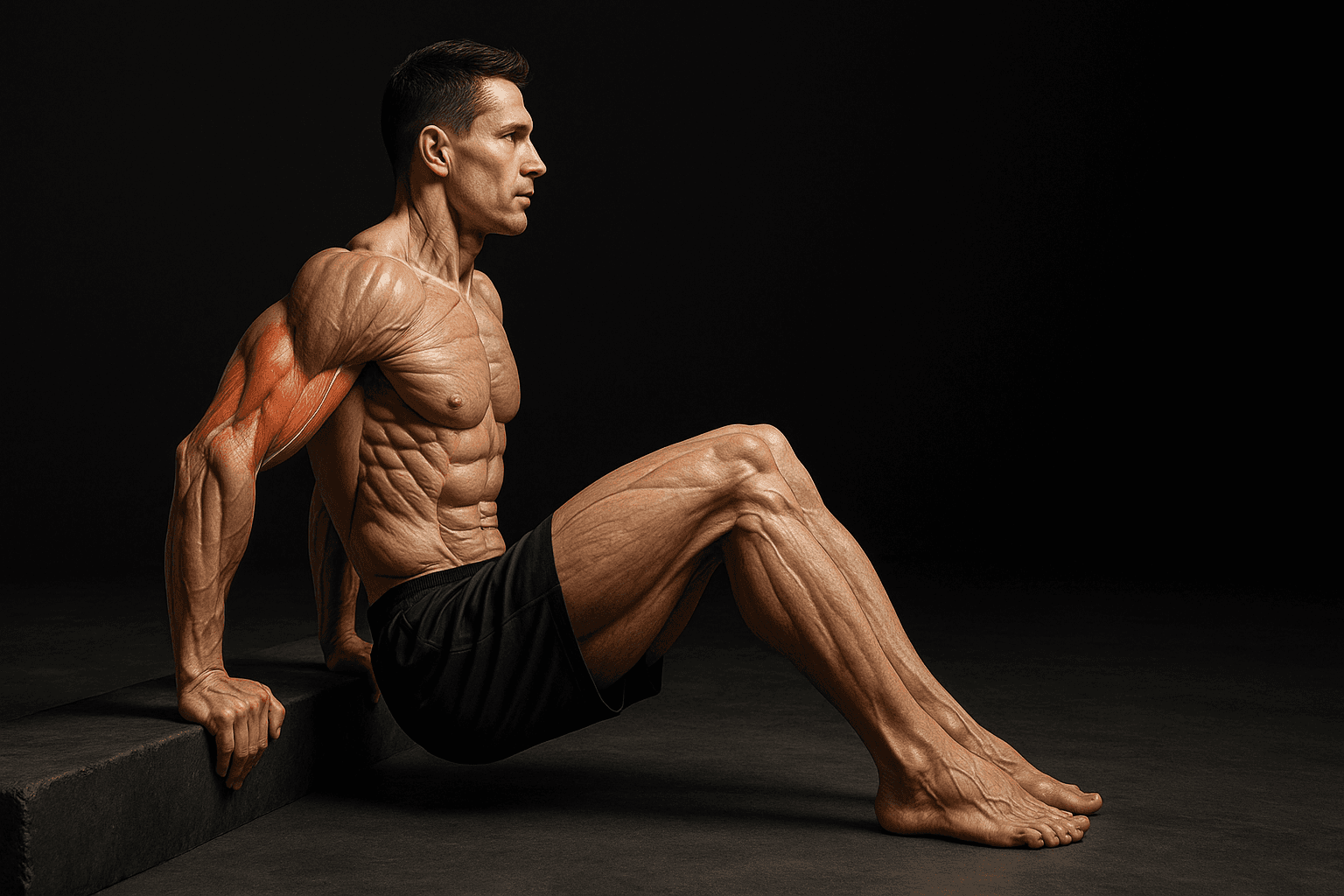
Photo by RepBro.
First paragraph answer For most beginners: prioritize free weights (barbells, dumbbells, kettlebells) for your main lifts because they build strength, coordination, and transfer to everyday movement; use machines to supplement—about 60–75% free weights and 25–40% machines for the first 6–12 months. Machines are useful for isolation, safety when you're alone, and handling fatigue, but they shouldn't replace the core compound movements early on.
Why free weights first?
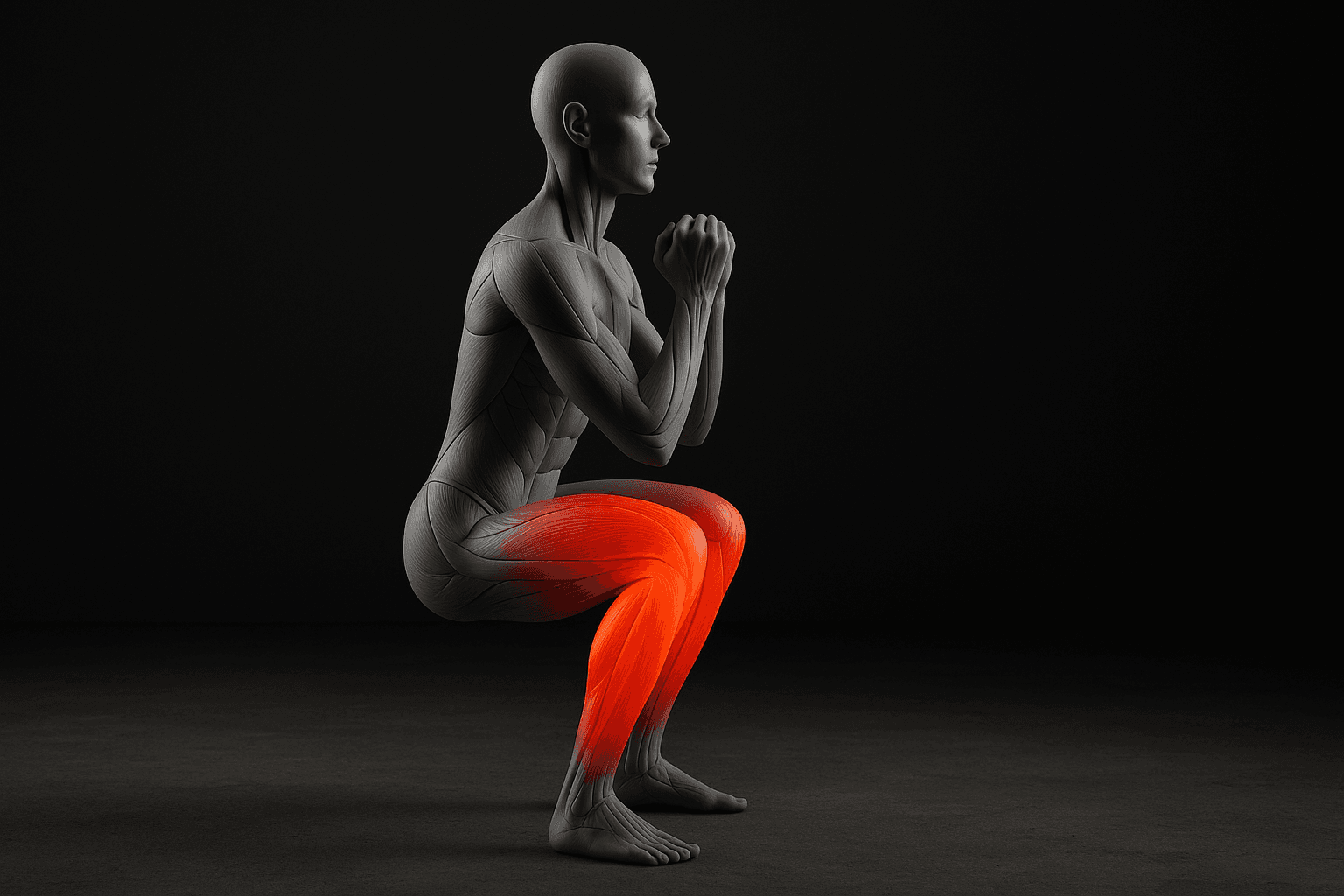
Free weights force your body to stabilize, coordinate multiple joints, and learn movement patterns. That means better carryover to daily activities and faster neurological gains in strength. Practical numbers: aim to learn 4–6 compound movements (squat, hinge, horizontal push, horizontal pull, vertical push/pull, carry) and use 2–4 sets per exercise in a beginner program. For strength and learning, use heavier but manageable loads: 60–80% 1RM (or an RPE of about 6–8) for 3–6 reps on some lifts and 8–12 reps for accessory lifts.
When machines are the better choice
Machines win for beginner use-cases when:
- You lack a spotter (e.g., heavy bench press). Machines let you train safely alone.
- You need to isolate a weak muscle (leg extension for quads, cable flyes for chest detail).
- You're returning from a controlled rehab plan and were advised to limit joint shear or instability.
- The gym is crowded and machines let you get work done quickly without complex setup.
Use machines for 1–3 accessory exercises per session. Examples: leg press 2x8–12 after squats, chest-supported row 3x8–12 if your back gets tired during deadlifts.
Program structure with practical numbers
Simple, repeatable templates work best for beginners. Here is a 3x/week full-body example using the 60–75% free-weight rule:
- Workout A
- Squat (free weight): 3 sets x 5–8 reps
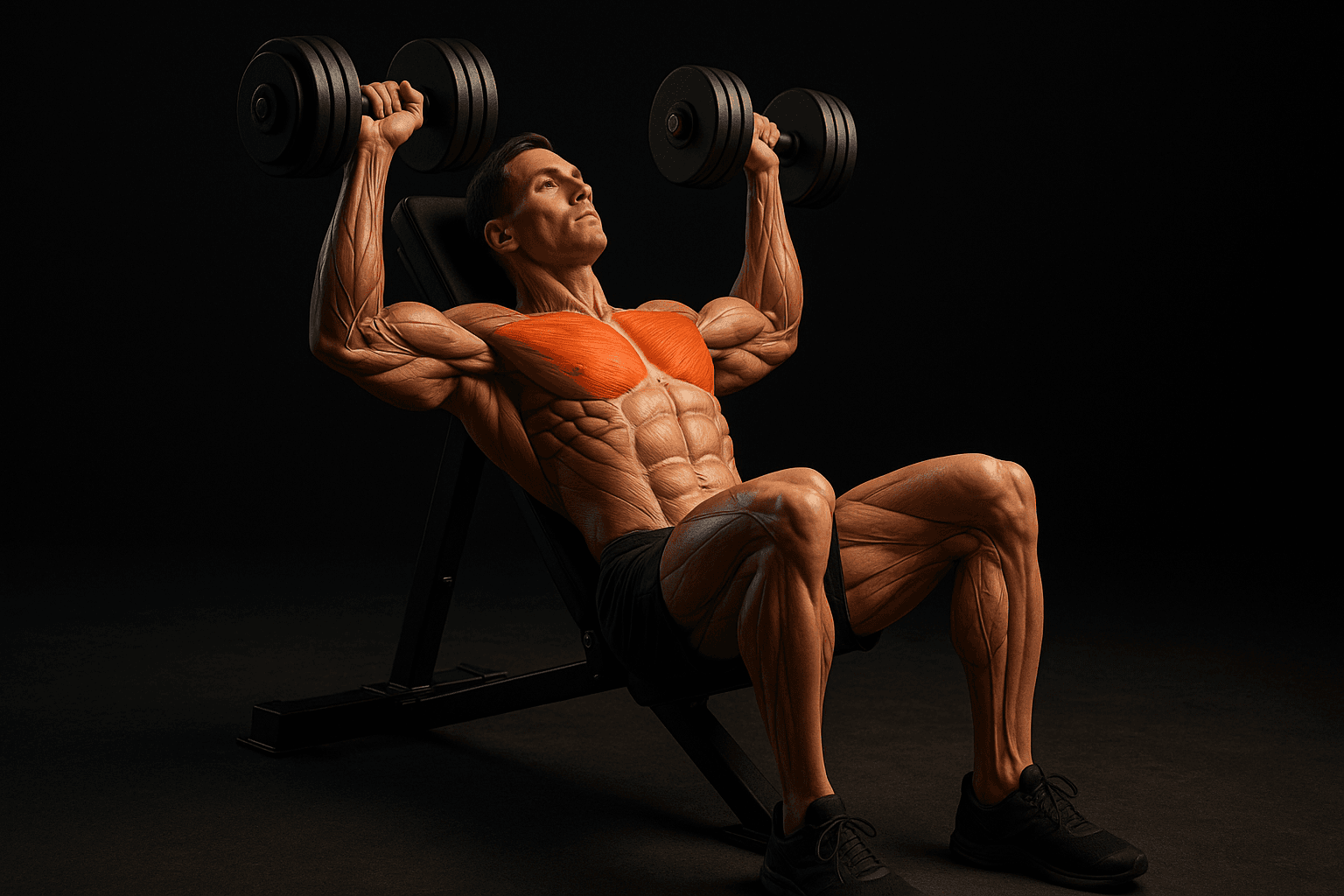
- Bench press (free weight): 3 x 6–8
- Bent-over row (free weight): 3 x 8–10
- Leg curl (machine): 2 x 10–12
- Plank or anti-rotation hold: 2 x 30–60s
- Workout B
- Deadlift or Romanian deadlift (free weight): 2 x 4–6 (or 3 x 6–8 for RDL)
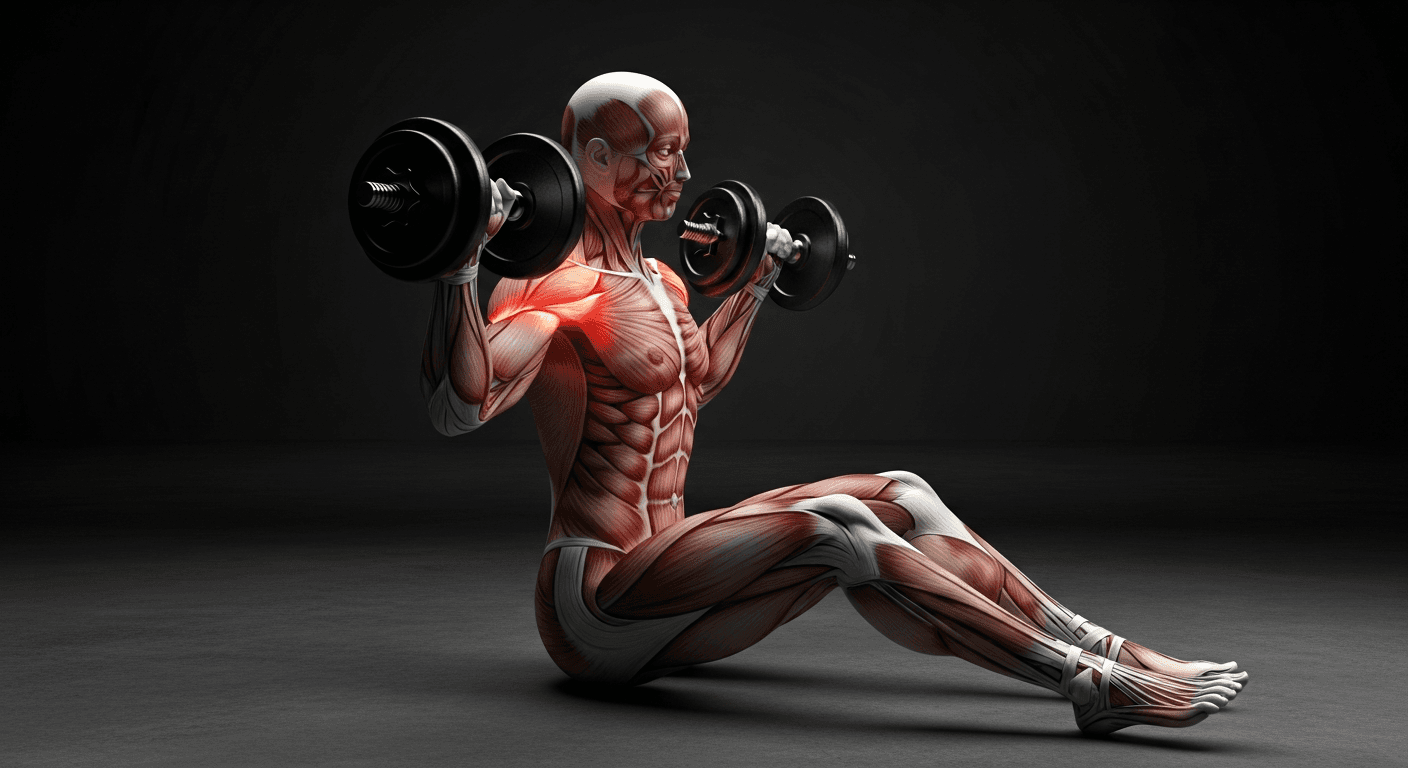
- Overhead press (dumbbell or barbell): 3 x 6–8
- Lat pulldown or assisted pull-up (machine/free): 3 x 8–12
- Leg press (machine): 2 x 8–12
- Farmers carry: 2 x 40–60m
Progression: add 0.5–2.5 kg to upper-body movements each week and 1–5 kg for lower-body lifts when you can complete target reps with good form. If equipment limits or technique issues force substitution, use the closest machine version and plan to reintroduce free weights as soon as comfortable.
Technique and coaching: machines can’t replace learning form
Machines simplify movement but they also mask balance and technique faults. Learn the basic free-weight patterns with slow, deliberate sets early—use lighter loads (40–60% 1RM) to practice motor patterns if needed. If you don’t have a coach, record sets from the side and front, compare to reliable form cues, and prioritize consistency over ego-lifting.
If you use apps to track and compare exercises or import plans, consider tools like RepBro and see comparison features at https://www.repbro.app/vs to help pick exercises and log progression.
Common beginner mistakes and how to avoid them
- Relying only on machines because they feel "safe": machines can leave gaps in balance and core strength. Keep at least 60% of your volume on free weights.
- Going too heavy too fast on free weights: stall progression by adding 2.5–5 kg increments for lower body and 0.5–2.5 kg for upper body.
- Using machines with poor range of motion or wrong seat settings: take 30–60 seconds to adjust the machine to your body each set.
Safety note
Stop on sharp or unusual pain. Machines and free weights both carry risk—if something feels wrong, reduce load, re-check form, and consult a qualified trainer or medical professional. This is educational content, not medical advice.
Practical decisions based on context
- If you train at a busy commercial gym: start many sessions with free weights but plan machine-based backups when a rack or barbell is taken.
- If you train at home with limited equipment: prioritize a few free-weight staples (dumbbells, kettlebell) and use unilateral work (split squats, single-arm rows) to get similar benefits to barbell work.
- If your goal is hypertrophy only: both modalities work; choose free weights for compound mass builders and machines for safe, high-volume isolation.
Final checklist for beginners
- Aim for 60–75% free-weight volume, 25–40% machines for the first 6–12 months.
- Learn 4–6 compound free-weight movements, 2–4 sets each.
- Use machines for accessories, safety, or when logistics require.
- Progress with small, consistent load increases (0.5–5 kg depending on the lift).
- Track workouts, record form, and stop on sharp pain.
One-sentence takeaway Start with free weights for the core work and use machines as a useful supplement—practical split roughly 60–75% free weights and 25–40% machines for most beginners.
Frequently asked questions
- Should a complete beginner avoid free weights?
- No. Most beginners should learn basic free-weight patterns (squat, hinge, press, row) early because they build strength and coordination; use machines when balance, confidence, or a specific isolation goal makes sense.
- Are machines safer than free weights?
- Machines reduce balance and stabilization demands and can limit risky ranges of motion, but they don't remove all injury risk; stop on sharp pain and use machines if you're rehabbing or lacking a spotter.
- How much of my workout should be machines vs free weights?
- For most beginners aim for about 60–75% free weights and 25–40% machines during your first 6–12 months. Use machines for accessories, technique work, or when gym logistics require it.