Lifting Weights Fasted in the Morning: Good or Bad Idea?
Clear, evidence-aware take on morning fasted lifting: who benefits, performance impacts, nutrition tips, and safety. Practical guidance for weight lifters.
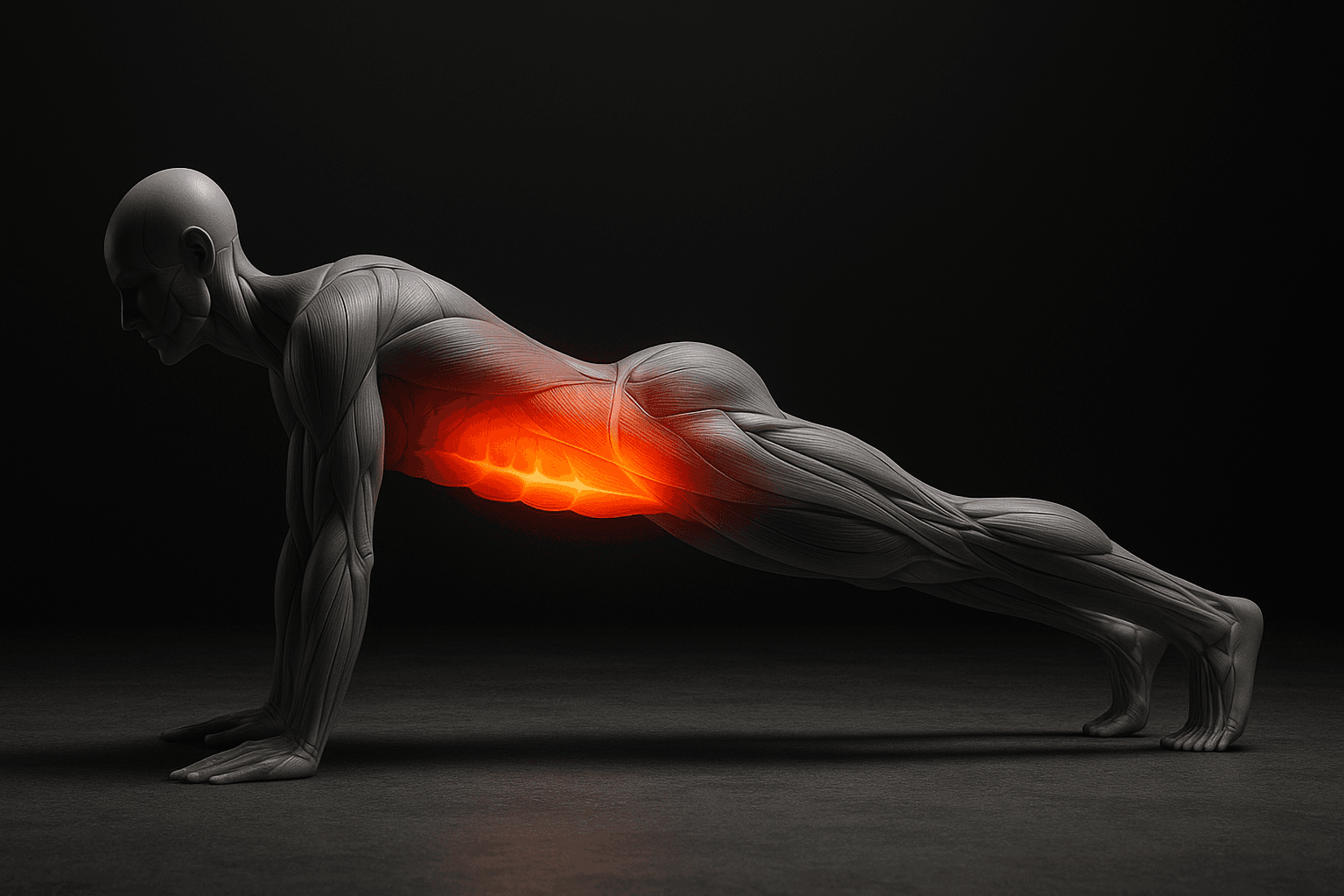
Photo by RepBro.
Answer-first (direct):
Lifting weights fasted in the morning is an acceptable option for most lifters: it won’t block muscle growth or fat loss if you hit total daily calories, protein, and progressive overload. Expect slightly lower peak power for some lifts and the need to manage energy, hydration, and post-workout nutrition.
What happens physiologically when you lift fasted in the morning?
After an overnight fast your glycogen is lower than later in the day, circulating insulin is low, and fat oxidation during low-to-moderate intensity activity tends to be higher. For resistance training, the body still uses stored ATP/PCr and muscle glycogen; performance can be maintained for many people, but explosive and high-volume work may feel harder without pre-exercise carbohydrates.
Does fasted lifting reduce muscle growth or strength gains?
No — not inherently. Muscle hypertrophy and strength gains depend primarily on mechanical tension, progressive overload, sufficient training volume/frequency, and recovery (sleep, calories, protein). If fasted training reduces the quality or volume of your workouts over time (fewer sets, lower intensity, missed sessions), it will harm progress. If you can train with the same intensity and recover the same, fasted vs fed timing matters little for long-term muscle/strength outcomes.
Will fasted morning training accelerate fat loss?
Short-term studies show higher fat oxidation during fasted exercise sessions, but fat loss over weeks and months is governed by total energy balance. If fasted training helps you maintain a calorie deficit and stay consistent, it can be useful. If it makes you hungrier later and causes overeating, it can be counterproductive.
Who benefits from fasted morning lifting and who shouldn’t do it?
-
Reasonable candidates:
- People who prefer training immediately after waking and won’t perform worse.
- Lifters aiming for time-efficiency and better adherence to a morning routine.
- Individuals whose appetite is low in the morning and who find fed sessions uncomfortable.
-
Reconsider fasted lifting if:
- You rely on high-intensity, maximal strength, or heavy multi-set sessions where performance drop-off matters.
- You’re new to resistance training and need stable energy to learn technique and build confidence.
- You have blood sugar regulation issues, are pregnant, or have a medical condition — consult a clinician.
How should I structure a fasted morning lifting session?
- Warm-up longer than usual: 8–12 minutes of joint mobility, movement prep, and ramp sets to elevate blood flow.
- Start with technical or heavy lifts when you feel freshest; monitor RPE and bar speed. If power is down, lower load slightly rather than expanding rest too long.
- Prioritize total weekly volume and progressive overload across sessions. If one session is lower quality, compensate later in the week rather than chasing high risk.
What should I eat and when around a fasted session?
- Pre-workout: plain water and mild electrolytes are fine; a small coffee is OK if tolerated. Avoid large, high-fat meals immediately before training.
- Post-workout window: consume a protein-rich meal within 1–2 hours after training and ensure sufficient daily protein (spread across meals). For most lifters, a 20–40 g protein serving post-workout is practical, but the exact target should match your daily protein goals and body size.
- Total daily calories matter far more than pre-workout timing for hypertrophy and fat loss.
How does fasted vs fed compare across key outcomes?
| Outcome | Fasted morning lifting | Fed morning lifting |
|---|---|---|
| Immediate fat oxidation during session | Higher | Lower |
| Long-term fat loss (equal calories) | Similar | Similar |
| Short-term performance (power/volume) | Slightly lower for some | Typically higher |
| Convenience/adherence | Higher for some | Higher for others |
Practical numbers and rules of thumb
- If your session feels compromised (drop in average set completion or major velocity loss), consider eating a small carb+protein snack next time.
- Maintain progressive overload: aim to increase volume or load across weeks rather than obsessing about pre-workout meals.
- Track training performance (sets, reps, RPE) weekly. If fasted sessions consistently show reduced outputs, switch to fed sessions for important workouts.
Safety and pain note
Stop training and consult a qualified professional if you feel sharp or unusual pain during lifts. Fasted training can increase perceived exertion and lightheadedness in some people — hydrate, sit down if dizzy, and seek medical advice for recurrent symptoms. This article doesn’t diagnose conditions or guarantee injury prevention.
Limitations — what apps and AI coaching cannot do
- No app or AI can see or correct your lifting form in real time; only a qualified coach can evaluate technical faults and provide personalized cues.
- A plan is only effective if you consistently execute it; adherence, sleep, stress management, and recovery are human factors an app can’t enforce.
- For injury diagnosis, medical conditions, or rehab programming, consult a licensed clinician or physiotherapist. General guidance here is educational, not individualized medical advice.
How to decide: a simple decision flow
- Try fasted for 2–4 weeks on non-priority sessions and log performance.
- If session quality and weekly progression are unchanged, continue. If performance drops, switch important sessions to fed or have a small pre-workout snack.
- Prioritize consistent weekly volume and recovery over meal timing.
Optional tool: track sessions, weights, and progression to spot trends; tools such as RepBro can help log progress and detect when fasted sessions are reducing training quality.
Summary: Lifting fasted in the morning is a viable option for many lifters. It won’t inherently block gains or fat loss if total calories, protein, and progressive overload are preserved. Monitor your performance and energy, prioritize safety, and adjust meal timing if it impairs training consistency or quality.
Frequently asked questions
- Can I build muscle if I lift weights fasted in the morning?
- Yes. Fasted morning lifting does not prevent muscle growth if you maintain progressive overload, adequate total daily protein and calories, and timely post-workout nutrition. Training stimulus and daily recovery matter far more than whether you ate before a session.
- Will fasted lifting burn more body fat than fed lifting?
- Fasted lifting may increase fat oxidation during the session, but it does not consistently produce greater long-term fat loss than fed training when calories and activity are matched. Overall energy balance and consistent training are the key drivers of fat loss.
- Should I drink coffee before a fasted morning lift?
- Caffeine before a fasted session can improve perceived energy, focus, and some performance measures for many people. Use a modest dose and test tolerance — don’t rely on caffeine to mask pain or poor technical form.