Still Sore but Want to Train? Here's the Decision Rule
Simple, evidence-aware rule for training while sore: how sore is too sore, how much to cut back, and safe session choices. Practical numbers and examples.
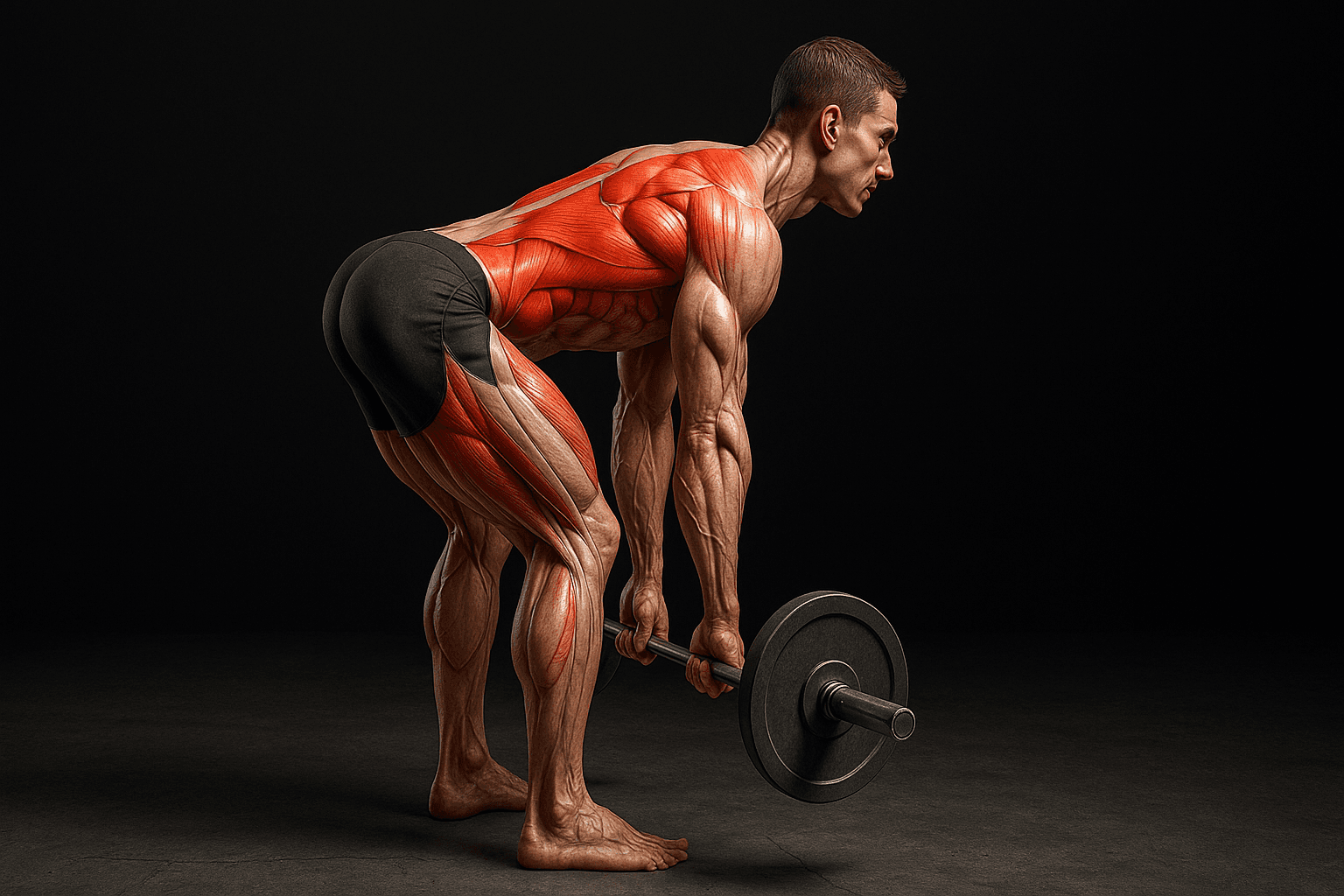
Photo by RepBro.
Am I too sore to train?
Short answer: No—if your soreness is mild (0–3/10) you can train as planned; if it's moderate (4–6/10) modify the session (cut load/volume and avoid failure); if it's severe (7–10/10) or involves sharp/joint pain, don't train hard—rest or do light recovery work and reassess. This is the simple decision rule you can use today.
What's the decision rule in one line?
Rate your muscle soreness on a 0–10 scale and follow this rule:
- 0–3/10: Full session as usual. Warm up thoroughly.
- 4–6/10: Reduce intensity and volume — cut load by about 30–50% or reduce sets by ~30% and avoid training to failure; prioritize technique and single-joint movements over maximal compound lifts.
- 7–10/10 or sharp pain: Stop. Rest, do low-load mobility/active recovery, or seek professional advice if pain is sharp, localized, or joint-related.
Use this first, then tweak for your sport, training age, and goals.
Why this works (brief, evidence-aware)
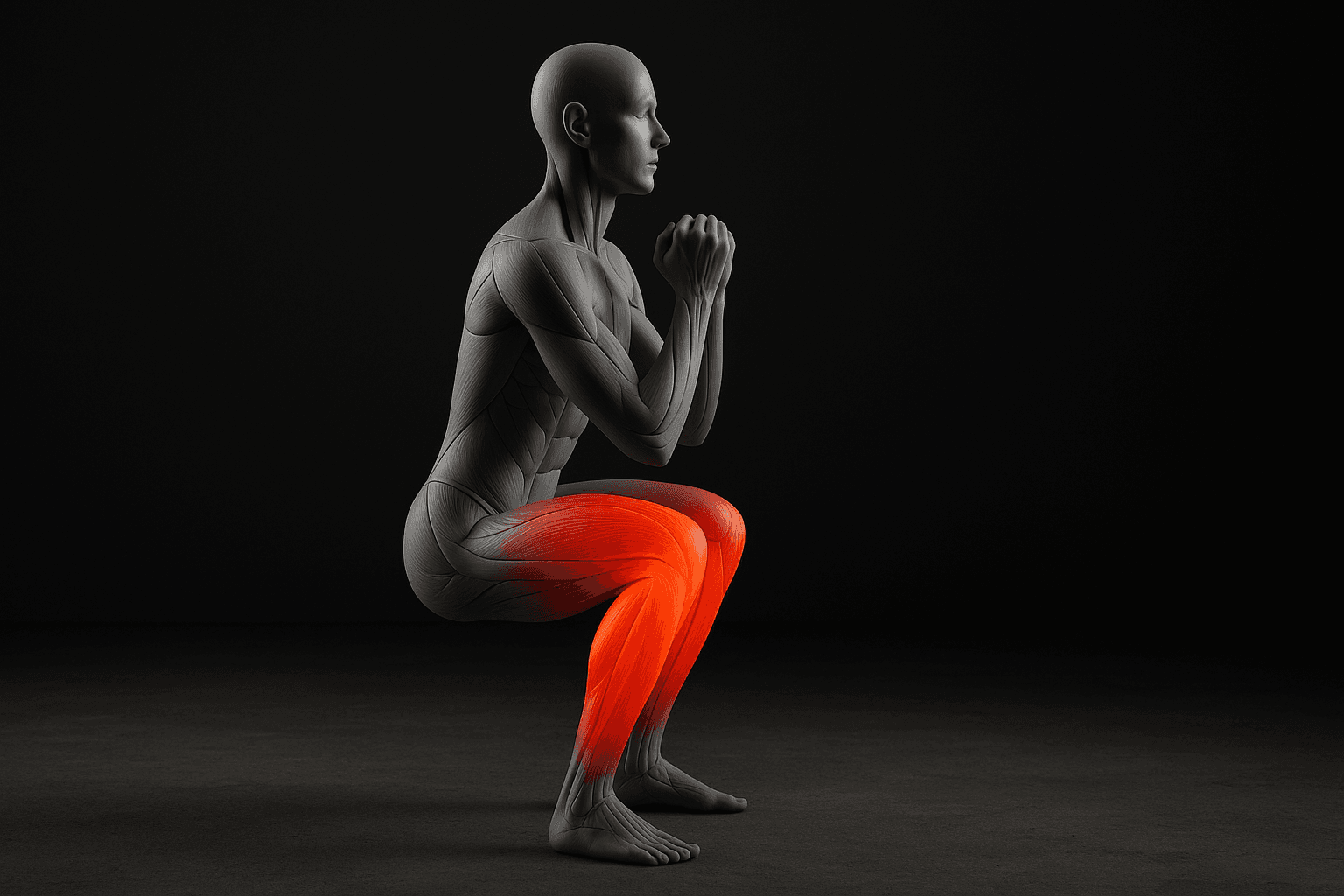
Soreness from new or intense exercise (DOMS) peaks 24–72 hours after a session. Mild-to-moderate soreness does not reliably block performance gains and is not a reason to skip training—provided you reduce the stress produced by the session. Heavy loading, novel exercises, and training to failure are the biggest drivers of increased damage and prolonged soreness. So the practical choice: lower the mechanical load and volume and avoid aggressive intensity tactics when sore.
How to implement it—practical numbers and examples
Warm-up: 8–12 minutes of progressive movement that loads the same muscles at very low intensity (50% as many reps or 30–40% of usual load). If soreness is 4–6/10, add a few warm-up sets and judge how the movement feels before proceeding.
Strength sessions:
- If 0–3/10: normal load and sets. Keep the same proximity-to-failure you usually do.
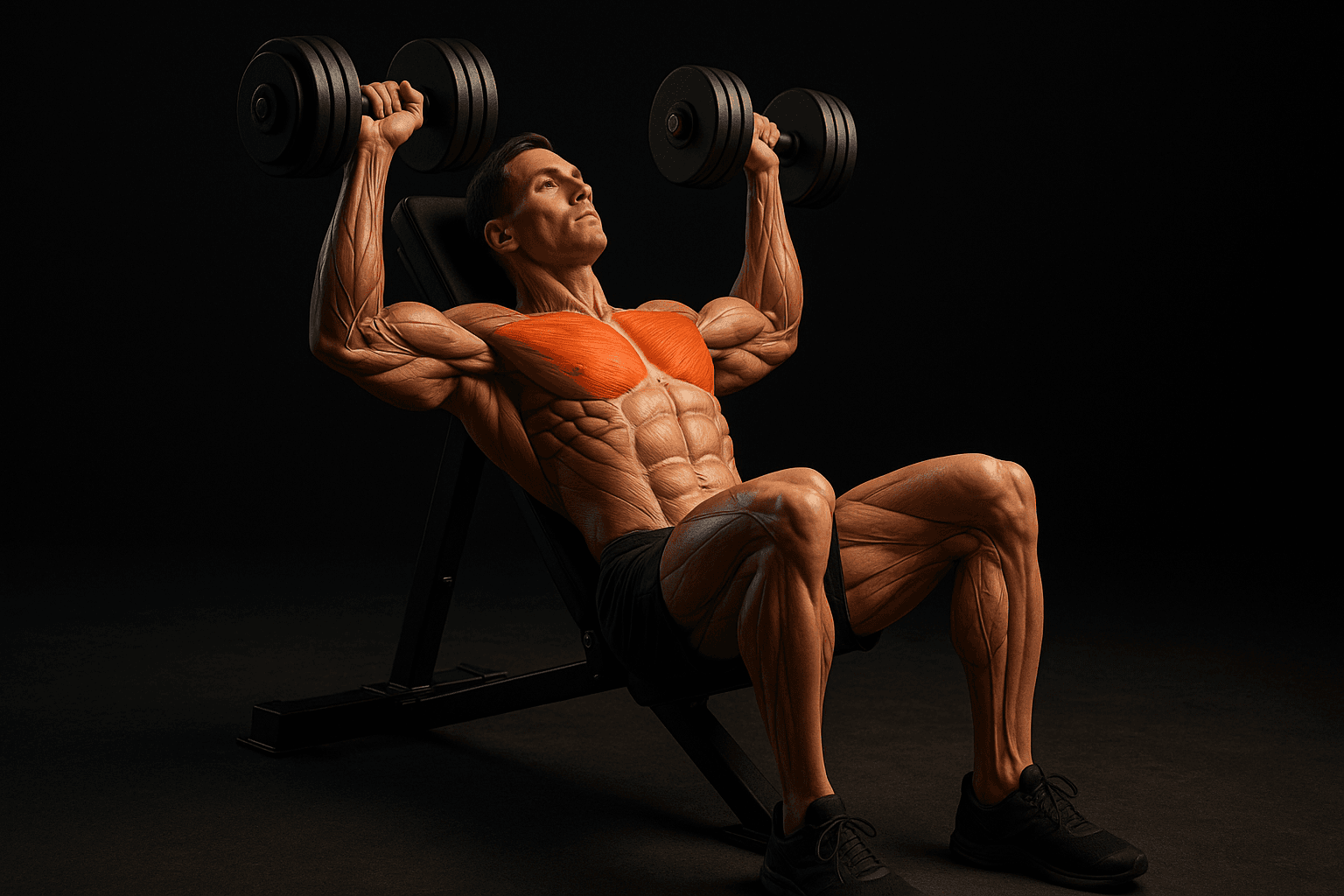
- If 4–6/10: use 50–70% of your normal working weight OR reduce total sets by ~30% (for example, if you usually do 4 sets, do 3), and avoid going to failure. Increase rest between sets by 30–60 seconds.
- If 7–10/10: avoid heavy lifts; do mobility, single-joint work with light loads, or take the day off.
Cardio:
- Prefer low-impact options (bike, row, elliptical) over high-impact (running) if leg soreness is high.
- Keep intensity in the 60–75% HRmax or RPE 4–6/10 range for 20–40 minutes for active recovery.
- Avoid intervals or long fasted runs when major muscle groups are very sore.
Exercise selection:
- Swap compound, high-load movements for easier alternatives (e.g., replace heavy back squats with goblet squats, split squats, or leg presses at reduced load).
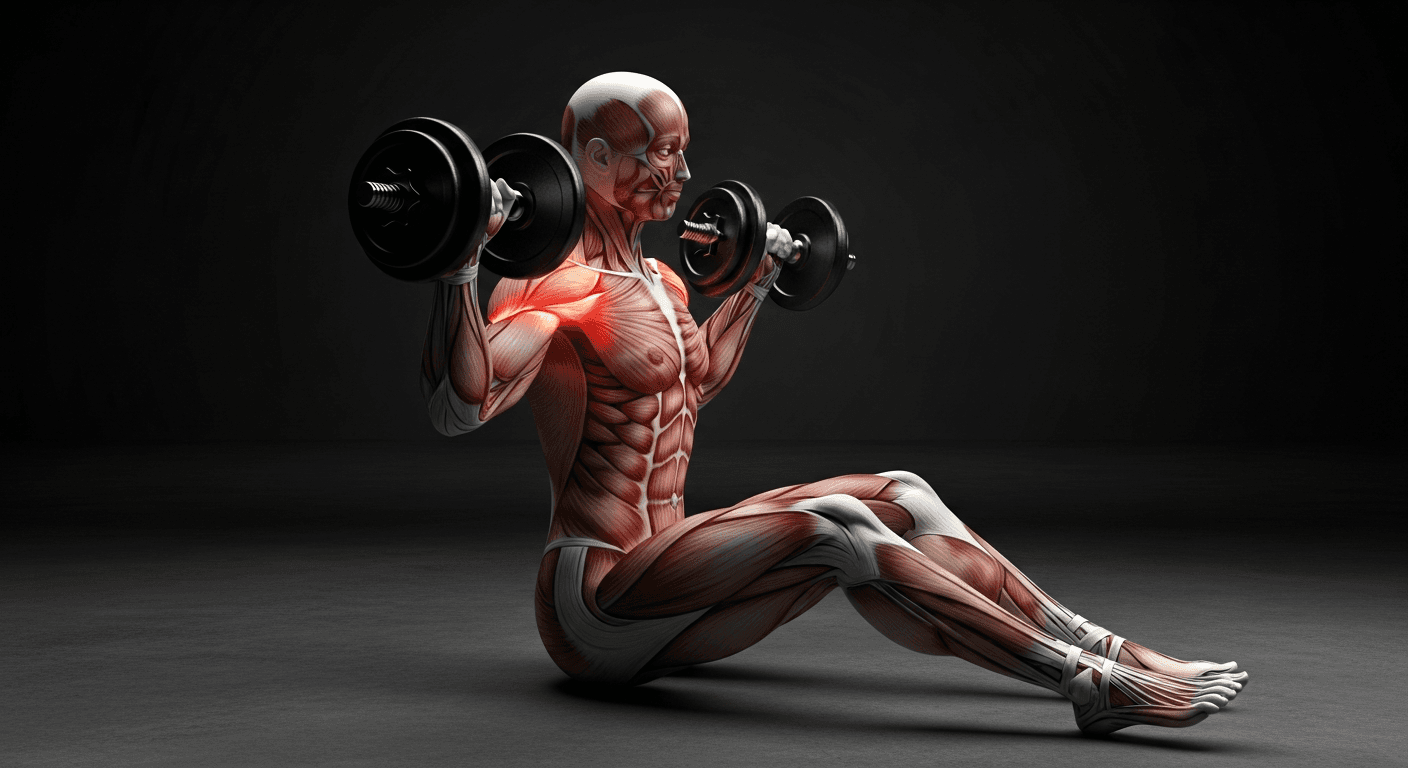
- Choose single-joint or accessory work and focus on tempo and technique rather than load.
Volume and frequency adjustments:
- If soreness is recurring each session, reduce weekly volume by ~20–40% for that muscle group for 1–2 weeks, then gradually ramp back up.
- If you want to keep frequency, rotate muscle groups so heavily sore muscles get 48–72 hours before being loaded again.
Nutrition and sleep (practical inputs):
- Aim for 1.6–2.2 g/kg of protein per day spread across meals; a single 20–40 g protein dose after training helps recovery.
- Prioritize 7–9 hours of sleep—persistent poor sleep increases perceived soreness and slows recovery.
How to judge progress within the session
Use RPE and pain cues. If soreness reduces during warm-up and early sets and your RPE stays below 7/10, continue with the planned reduced session. If soreness or pain spikes, stop or scale back further. No sharp, stabbing, or joint-focused pain—those are signals to stop and reassess.
Quick sample sessions based on soreness level
- Mild soreness (2/10): Full workout. Normal warm-up. Normal load.
- Moderate soreness (5/10): 3 sets x 6–8 reps at 60% usual load for compound movements, plus 2–3 accessory exercises for 2–3 sets each with light load.
- Severe soreness (8/10): 20–30 minutes low-intensity bike + mobility and foam rolling; skip heavy lifting.
What about training adaptations—will I lose progress?
Training with mild-to-moderate soreness doesn't stop adaptations if you manage load and volume sensibly. Chronic under-recovery (always training heavy while sore) is what leads to stalled progress, not occasional modified sessions. If you're unsure about programming or need to re-import or adjust a plan, RepBro's plan-import features can help you edit volume and phases quickly: https://www.repbro.app/import. If you're comparing programs or switching approaches, see our comparison guide: https://www.repbro.app/vs and consider adjusting volume accordingly.
Safety note
Stop immediately if you feel sharp, shooting, or joint pain; those are not normal soreness. This article is not a diagnosis—if pain is severe, persistent, or limits daily activity, consult a healthcare or physiotherapy professional.
Common mistakes to avoid
- Training to failure when sore. That increases damage and recovery time.
- Continuing high-impact cardio (long runs, sprints) with heavily sore legs.
- Ignoring movement quality—soreness can change your mechanics and raise injury risk.
When to seek professional help?
If soreness is accompanied by swelling, dark urine, extreme weakness, fever, or loss of range of motion, stop training and seek medical advice. For persistent exercise-related pain that affects performance, a qualified physio or sports clinician is the right next step.
One-sentence takeaway: Use a simple 0–10 soreness scale—0–3 train normally, 4–6 reduce load/volume and avoid failure, 7+ or sharp pain stop and recover—and adjust frequency until soreness becomes manageable.
Frequently asked questions
- Can I do cardio when I'm sore?
- Yes—prefer steady, low-impact cardio. Keep intensity to 60–75% of HRmax or RPE 4–6/10 for 20–40 minutes. Avoid long runs or heavy intervals if large muscle groups are very sore.
- Will training make delayed onset muscle soreness (DOMS) worse?
- Light-to-moderate training usually does not meaningfully prolong DOMS and can improve perceived soreness, but heavy/novel loading or training to failure will likely increase soreness and recovery time.
- How long should I wait between sessions if I'm still sore?
- Use the 0–10 soreness rule (below). If soreness is 0–3/10, train as usual; 4–6/10, reduce load/volume ~30–50% or change to lighter/alternate muscle groups; ≥7/10 or sharp pain: rest or active recovery and reassess within 24–72 hours.