Wrist Wraps vs Lifting Straps: What Each One Actually Does
Clear, evidence-aware guide comparing wrist wraps and lifting straps: when to use each, how they change performance and training choices, safety and limitations.
Photo by RepBro.
Wrist wraps stabilize the wrist joint to help handle heavier pressing and reduce pain from extreme extension; lifting straps secure the bar to your hands to reduce grip fatigue on rows, deadlifts, and pull exercises. They serve different roles; choose by exercise and the limiting factor: wrist or grip.
What do wrist wraps actually do?
Wrist wraps compress and limit excessive wrist extension (and to a lesser extent flexion), creating a more neutral angle under heavy loads. That stability lets you transfer force more directly through the forearm and elbow during pressing and some pulling variations. Use them when wrist pain or loss of safe position is what prevents you from completing a set—rather than muscular failure of the prime movers.
Practical notes: shorter, stiffer wraps (around 30–45 cm / 12–18 in) offer firmer support for squats and strict presses; longer wraps (45–60 cm / 18–24 in) allow tighter winding for maximal lifts. Wraps are not braces; they reduce extreme motion and discomfort, not immobilize the joint.
What do lifting straps actually do?
Lifting straps (also called hookless straps) loop around the wrist and the bar, binding the bar to your hands so grip strength is less likely to fail before your target muscles. They are most useful for heavy pulling (deadlifts, rows, pull-ups) or very high-volume sets where grip becomes the limiting factor.
Straps do not increase muscle strength by themselves; they simply let you do more work for the target muscles by removing grip from the equation. They’re especially useful when you need to accumulate posterior-chain or lat volume without being stopped by forearm or hand fatigue.
How do I decide: wrist wraps or straps—when should I use each?
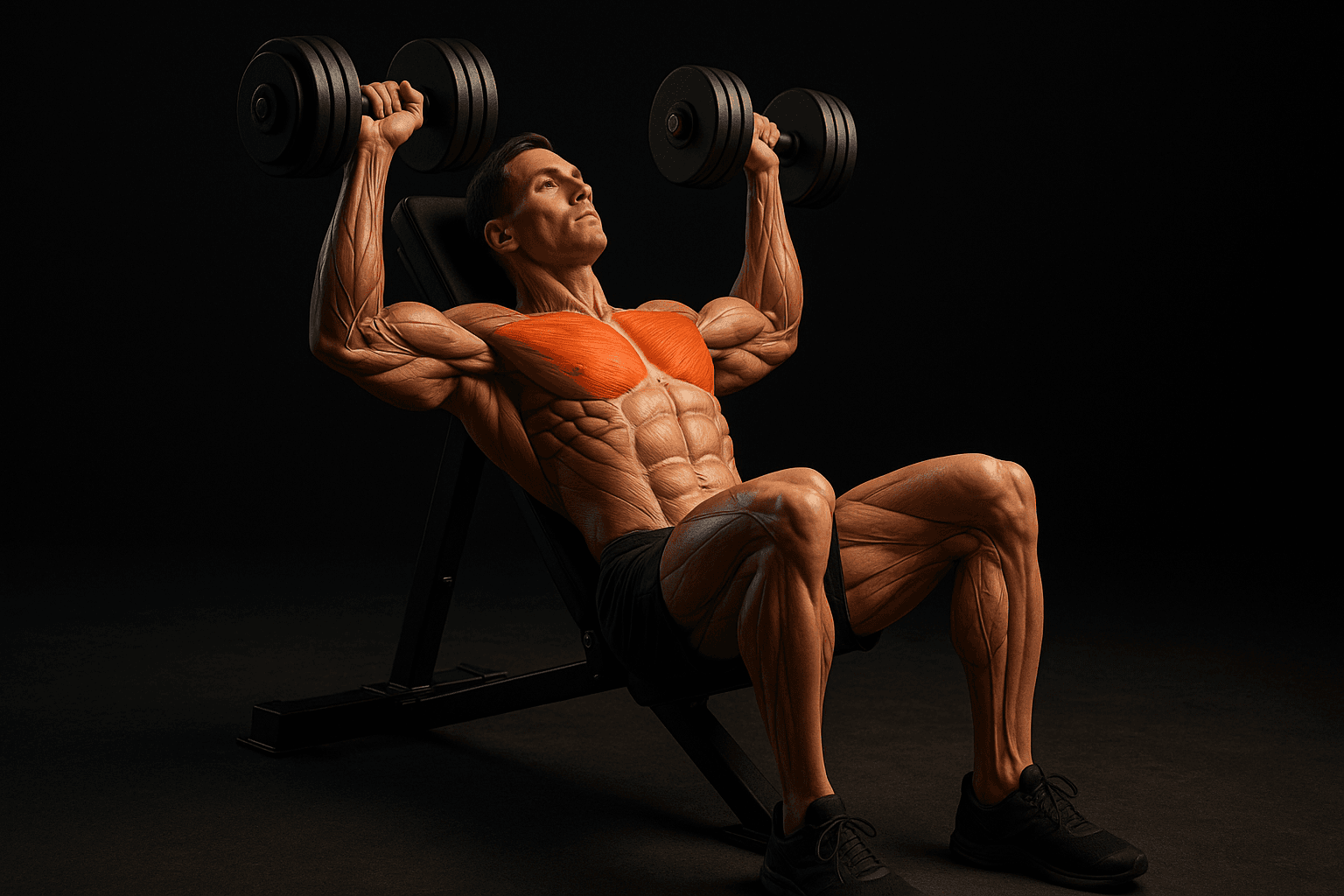
- Use wrist wraps for: heavy or high-intensity pressing (bench, overhead press), rack pulls where wrist angle gets extreme, or when wrist pain prevents safe position.
- Use lifting straps for: heavy deadlifts, high-volume rows, heavy pull-ups/chin-ups, or any pulling where grip failure occurs before back muscles fatigue.
If both grip and wrist are limiting on the same exercise (rare), prioritize the true limiting factor: if your hands fail first, use straps; if your wrist collapses or hurts, use wraps.
How do they affect progression and training volume?
Both tools enable more work for targeted muscles: wraps by stabilizing joints, straps by preserving grip. That can accelerate progression because you can complete more reps, sets, or heavier single reps for the prime movers. Balance is important: keep some sets without assistance to maintain grip and wrist conditioning. A simple rule: use assistance for your heaviest sets or extra back-off volume, and leave at least some sets per week raw.
Will using straps or wraps cause weakness or dependency?
Neither causes permanent weakness if used sensibly. The risk is deconditioning the specific supporting tissues if you never train them: for example, never using straps for months may reduce grip endurance. Maintain at least a portion of raw sets (e.g., first working sets or accessory work) so grip and wrist stabilizers continue to receive stimulus.
How tight should I wrap or strap, and how long should I use them in a session?
- Wrist wraps: tight enough to feel stable and limit painful extension, but not so tight that circulation or nerve sensation changes. You should still be able to feel and control your hand. Re-wrap between heavy sets if slippage occurs.
- Straps: loop snugly so the bar doesn’t slip in transitions; don’t choke the wrist. Replace frayed straps; if the strap shifts during a set, stop and re-tie.
Use them for heavy working sets and high-volume finishing sets that would otherwise be limited. Avoid using assistance on every single set of every session if your goal includes building raw grip or wrist endurance.
How do wrist wraps and straps compare in simple terms?
| Feature | Wrist Wraps | Lifting Straps |
|---|---|---|
| Primary purpose | Wrist joint stability during pressing | Reduce grip contribution for pulling |
| Best for | Bench, overhead press, rack pulls | Deadlifts, rows, heavy/high-volume pulls |
| Effect on grip | Minimal | Significantly reduces grip demand |
| Typical feel | Compressing, supportive | Securing, binding the bar to hand |
| When to avoid | If you want to train wrist stabilizers | If you want to strengthen raw grip |
Are there safety concerns?
Stop training and consult a qualified professional if you feel sharp or sudden pain. Wraps and straps change how forces are distributed—improper use can mask technical faults. They are tools to assist safe training, not substitutes for correct technique. Never diagnose injuries online; seek an in-person assessment for persistent pain or dysfunction.
What should I buy and how should I care for them?
Choose durable materials with secure stitching. For wraps, choose a length and stiffness that fits your lifter style; for straps, pick a length that allows two or three wraps around the bar if needed. Replace equipment at first sign of serious wear—frayed webbing or loose stitching reduces safety.
Limit accessories use to purposeful sets (heavy top sets, extra back-off volume) and regularly test raw performance to ensure the supporting tissues keep pace.
What limitations should I be aware of?
No app, video or AI can see your subtle technique flaws in person—only a trained coach or clinician can provide that level of correction. This article gives general guidance, not a diagnosis or individualized rehab plan. For injury, persistent pain, or post-surgical return to lifting, consult a qualified professional. And remember: a training tool only helps if you actually complete the work—consistency and progressive overload are the main drivers of strength improvements, not the brand of strap or wrap you own.
Safety note: stop on sharp pain, do not use wraps or straps to force through pain, and consult a qualified professional for persistent or worsening symptoms. Tools can reduce discomfort and extend training, but they do not guarantee injury prevention.
Frequently asked questions
- Do wrist wraps help you lift more weight?
- Yes—wrist wraps stabilize the wrist and can let you control heavier pressing loads by reducing extension and pain. They don’t magically increase muscle strength; they allow you to apply more force safely when the wrist, not the chest/shoulders/triceps, is the limit.
- Do lifting straps ruin grip strength?
- No—occasional use of straps to extend training volume won’t eliminate grip strength. Over-reliance can reduce grip-specific stimulus; use straps for heavy sets or back-focused work where grip failure is limiting but keep some grip-intensive sets each cycle to maintain grip development.
- Which should I use for deadlifts and rows?
- Use lifting straps for heavy deadlifts and high-volume rowing to preserve grip and target posterior chain volume. Use wrist wraps for heavy rack pulls or pressing variations where wrist stability, not hand-bar contact, is the limiting factor.