FitnessAI vs Future (and Where RepBro Fits)
Side-by-side comparison of FitnessAI and Future on plans, logging speed, progression and pricing. Plus where RepBro fits if you want AI plans with accountability.
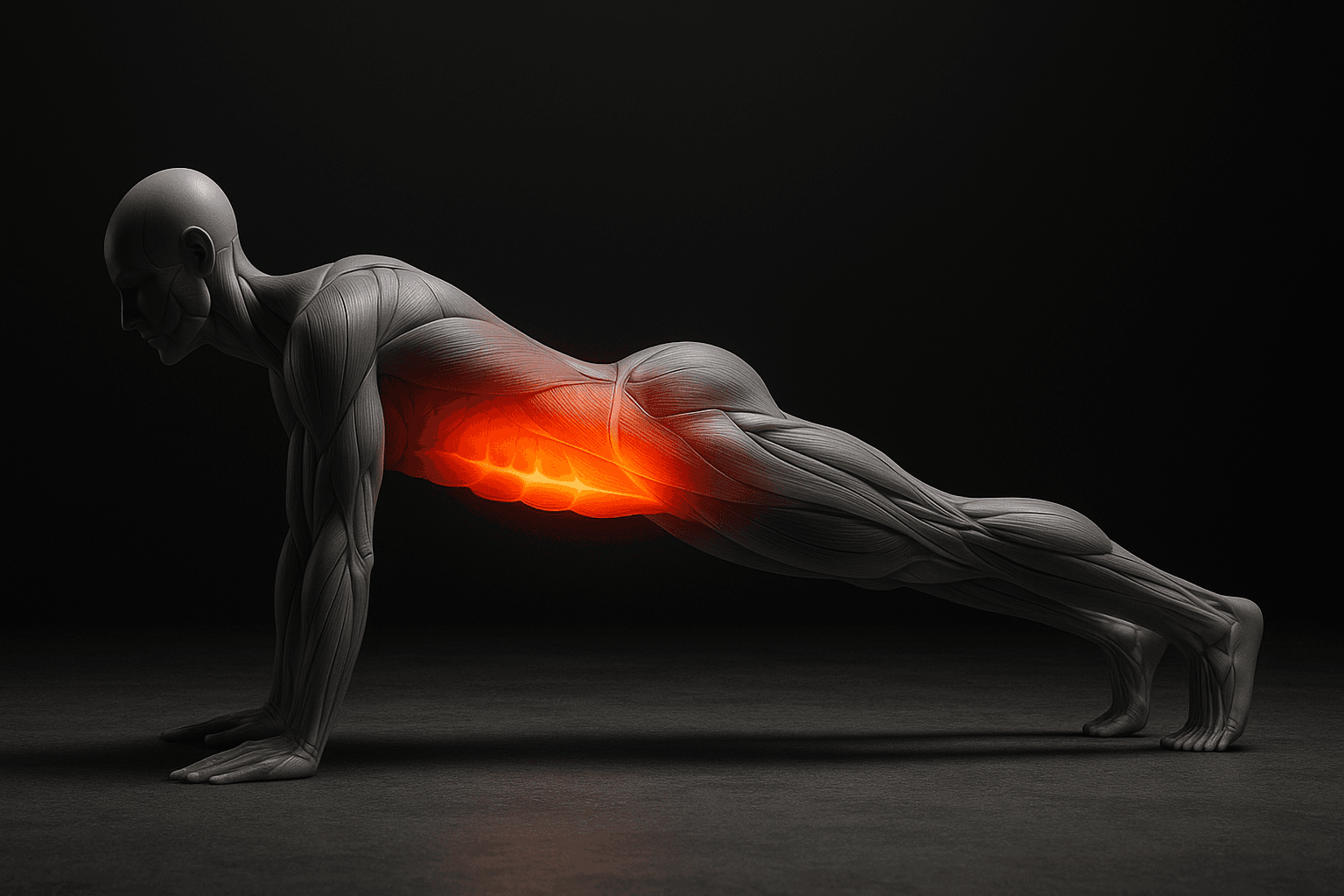
Photo by RepBro.
Direct answer (40–60 words):
FitnessAI leans toward automated, algorithmic workout generation and load progression; Future pairs you with a human coach who prescribes and adjusts workouts with in-app messaging. Choose by whether you want algorithm speed and autonomy or human accountability and personalized coaching adjustments.
What are the core differences in how each app creates workout plans?
FitnessAI: primarily algorithm-driven. It generates workouts from your history and uses automated progression rules to recommend sets, reps and loading. The emphasis is on objective data (logged lifts) and predicted 1RM-based loading.
Future: human-coach driven. A real coach writes and customizes workouts, adjusts them based on your feedback, and provides behavioral accountability. Workouts are delivered by the coach rather than solely by an algorithm.
These are different philosophies: automated progression vs. coach-crafted programming. Both can follow sound training principles (progressive overload, periodization, frequency), but the adjustment mechanism differs.
How fast and easy is logging in each app?
Logging speed is a combination of UI design, integrations, and workflow. In general:
- FitnessAI-style apps prioritize quick numerical input tied to algorithmic progression. Log a set and the app immediately updates future recommendations.
- Future-style apps often present coach-created sessions to check off; the messaging and coach interactions add steps but supply accountability.
Neither approach is uniformly faster for every user. If you prefer minimal friction and an algorithm that updates load after each set, an AI-driven app often feels quicker. If you value coach feedback and don’t mind extra taps to message or receive adjustments, the human-coach model balances logging with communication.
How do they handle progression and periodization?
Progression in both approaches follows the same evidence-based principles: progressive overload, planned frequency, and periodic deloads when needed. Differences lie in implementation:
- AI-driven progression: uses logged performance to auto-adjust load and volume, often predicting suitable next-session loads. This can be consistent and responsive to your recent performance data.
- Human-coach progression: allows contextual decisions beyond numbers (life stress, reported soreness, movement quality) and can modify programming qualitatively.
Sports science consensus supports regular progressive overload and training muscle groups roughly 2–3 times per week for hypertrophy; how an app translates those principles varies but should align with those norms.
How do price models differ (high level, verifiable)?
Both FitnessAI and Future use subscription pricing models. The observable difference is the product delivered within that subscription:
- AI-centric apps generally sell an algorithmic plan subscription (lower overhead, single-user algorithm access).
- Human-coach apps include the cost of a real coach and ongoing coach time (this is reflected in the subscription level).
Exact prices and promotions change over time; check each provider's current pricing page for up-to-date figures. Avoid assuming one-time purchases for ongoing coaching services—subscriptions are the common model.
Can I get the same results from an AI plan as from a human coach?
Both can produce effective results when based on solid programming principles and when you adhere consistently. Human coaches can better handle nuance: programming around injuries, motivation issues or complex schedules. AI plans can be highly consistent, scalable and reactive to logged performance. The determining factor for most lifters is adherence and progressive overload, not the delivery mechanism alone.
Quick comparison table
| Feature | FitnessAI (AI-first) | Future (Human-coach) | Who this suits |
|---|---|---|---|
| Plan generation | Algorithmic, data-driven | Coach-written and adjusted | Users wanting fast auto progression vs. users wanting human guidance |
| Logging workflow | Set-based numeric logging, rapid updates | Coach sessions + check-offs, in-app messaging | Users prioritizing minimal logging friction vs. coaching interaction |
| Progression logic | Auto adjustments from history | Contextual coach adjustments | Consistency and auto-scaling vs. nuanced human decisions |
| Price model | Subscription for AI plans | Subscription including coach time | Typically lower overhead vs. coach cost embedded |
| Accountability | In-app data feedback | Human accountability with messaging | Self-motivated users vs. those needing external accountability |
Where does RepBro fit if I want AI plans plus accountability?
RepBro combines AI-generated personalized plans with tools aimed at in-app accountability: editable plans and a custom plan builder, AI coach chat, and motivational "hype calls" from coach personas to boost adherence. RepBro supports strength and cardio logging with Apple Watch import, offline-first and voice logging, plus a ChatGPT plan import flow (repbro.app/import) and an AI "Future Me" transformation preview. It is iOS only today (Android in development) and operates on a subscription model with a free trial. If you want algorithmic planning with built-in motivational features rather than a human coach subscription, RepBro occupies that middle ground.
What safety advice should I follow while using these apps?
Stop training on sharp or unusual pain. Use conservative loads when trying new movements. Apps can suggest loads and reps, but they cannot see your form: consult a qualified coach or clinician if you have pain, a history of injury, or movement concerns. Never follow instructions that feel unsafe.
What can apps and AI coaching not do?
- Apps cannot reliably assess or correct your technique in real time the way an in-person coach can.
- They cannot diagnose injuries or prescribe rehab; that requires a qualified medical or rehab professional.
- A plan—even the best algorithm—only works if you execute it consistently; behavioral factors (sleep, nutrition, stress) drive much of the outcome.
Limitations: understand that automated progression can miss contextual cues (illness, acute soreness) while human coaches can be limited by frequency and scale. Cost, platform availability (some apps are iOS-only), and personal preference for human contact versus automated feedback are practical constraints.
If you care most about minimal friction and algorithmic responsiveness, AI-first tools suit you. If you want hands-on human guidance and accountability, coach-driven apps provide that service. For a hybrid of AI plans plus motivational coaching features, consider an app that explicitly blends both approaches.
References and further reading: consult each provider’s official documentation for current features and pricing, and look to systematic reviews of resistance training frequency and progressive overload principles for the underlying sports-science consensus.
Frequently asked questions
- Which app is better for purely automated, data-driven progression?
- FitnessAI emphasizes algorithmic, data-driven progression: it generates plans from your logged lifts and adapts predicted loads automatically. If you want mostly AI-driven loading and progression without a human coach, FitnessAI-style apps are designed around that workflow.
- Which app provides stronger human accountability and messaging?
- Future pairs each user with a human coach who writes and adjusts workouts and communicates through the app. If regular coach contact, feedback and personalized behavioral accountability are your priority, a human-coach model like Future’s offers that layer explicitly.
- Can any of these apps replace an in-person coach for form and rehab?
- No app can reliably replace an in-person professional for movement assessment, hands-on form correction or clinical rehab. Apps can guide programming and logging, but for injuries or technique fixes you should consult a qualified coach or medical professional.