RepBro vs Freeletics: An Honest Comparison for People Who Lift
Side-by-side comparison of RepBro and Freeletics for gym-goers. Practical differences, who each app actually serves best, and a fair pick-Freelitics/RepBro verdict.
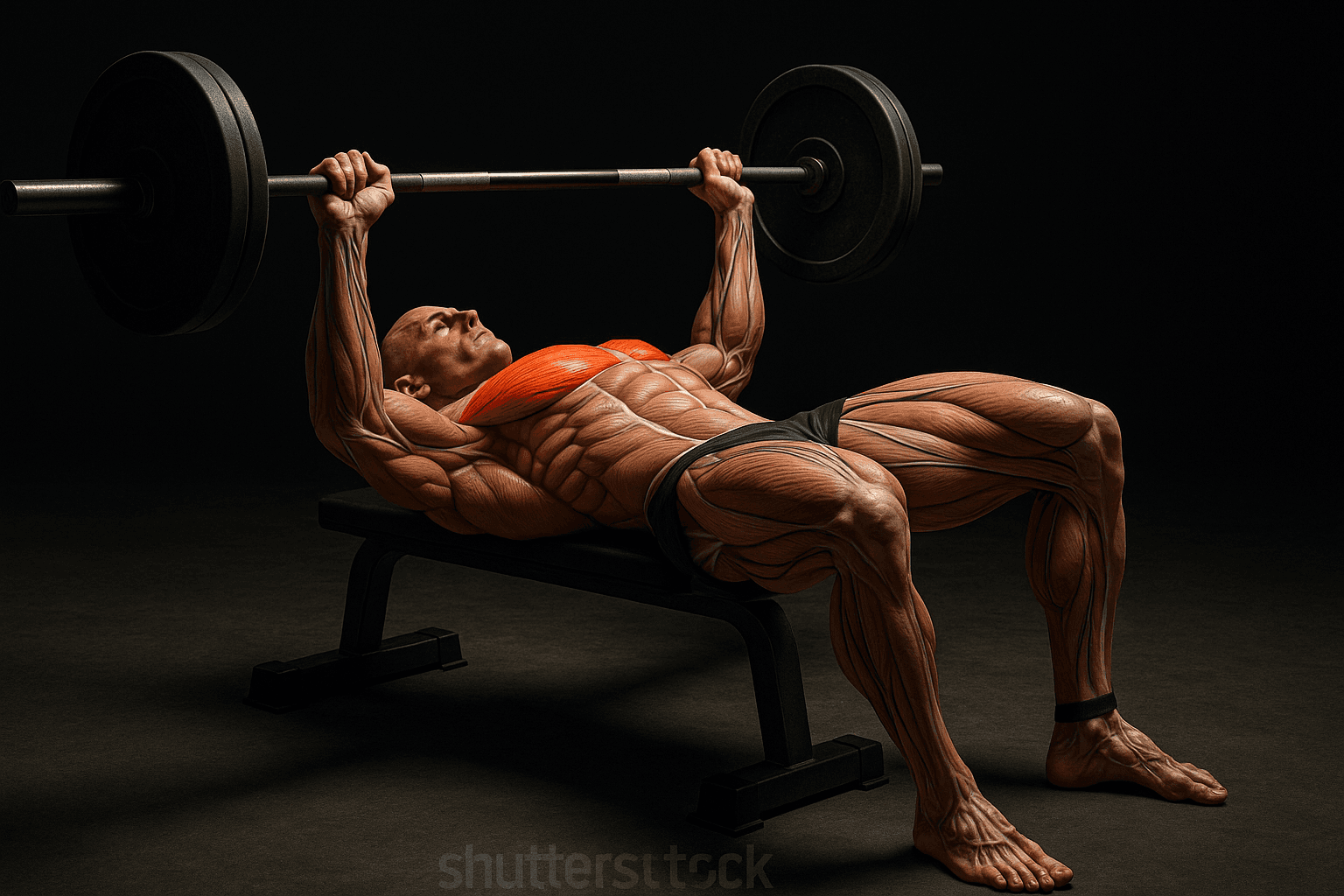
Photo by RepBro.
Answer-first
If you lift and primarily want progressive, gym-style strength plans with precise logging, pick RepBro. If you prefer short, bodyweight-focused HIIT, audio-led conditioning, and a large social ecosystem, Freeletics is the simpler fit. Below I compare practical features and who each app actually serves.
What does each app actually emphasize?
RepBro: AI-generated personalized workout plans are the centerpiece. The app produces editable plans (you can build custom plans), offers an AI coach chat and motivational “hype calls” from coach personas, and focuses on accurate strength + cardio logging with Apple Watch import. It’s iOS-only today, offline-first, supports voice logging, has a ChatGPT plan import tool, and an AI “Future Me” transformation preview.
Freeletics: Historically oriented around high-intensity bodyweight and conditioning workouts with guided sessions and audio cues. It offers personalized plans and progressions geared toward metabolic conditioning and fat loss, plus a large user base and community features. Freeletics is cross-platform and widely known for short, equipment-light sessions.
How do the two compare for serious strength progress (hypertrophy, strength gains)?
- RepBro: Designed around gym-style strength tracking and progressive overload. If you want to manage sets, reps, and weight, import workouts from ChatGPT, and track volume over time, RepBro’s logging and plan editor are built for that workflow.
- Freeletics: Generally better for bodyweight progressions and conditioning. It can improve work capacity and leanness, but it is not primarily positioned as a detailed barbell/strength-tracking tool.
Sports-science consensus: to drive hypertrophy you need progressive overload, adequate volume per muscle group spread across the week (commonly 2–3 sessions per muscle group), and progressive increases in load or reps. Apps are tools to deliver and track that programming; the program pattern matters more than the app brand.
Which app makes tracking and syncing easier?
- RepBro: Strength + cardio logging with Apple Watch import, offline-first logging for gym basements and signal-poor gyms, and voice logging for hands-free entries. These features reduce friction for lifters who want fast, accurate session logs.
- Freeletics: Offers session tracking and progress metrics suitable for conditioning work, but if you rely on barbell weight logging and deep Apple Watch integration, RepBro’s described features are more explicitly focused on that use case.
How flexible and personalized are the plans?
- RepBro: Uses AI to generate personalized plans that are editable and can be rebuilt via a custom plan builder. You can import plans from ChatGPT and tweak them inside the app — helpful for coaches or self-coached lifters who like to iterate.
- Freeletics: Uses its own adaptive coaching and templated programs that adjust to your feedback. It’s often better for people who want a mostly hands-off plan centered on conditioning and bodyweight progressions.
What motivational and coaching features matter?
- RepBro: Has an AI coach chat for on-demand advice and “hype calls” from coach personas to provide short motivational audio. This appeals to lifters who respond to rapid feedback and personality-driven motivation.
- Freeletics: Known for community challenges, social proof, and a coaching feel via audio-led sessions. If you prefer group energy and public challenges, Freeletics’s ecosystem tends to be stronger.
Quick comparison table
| Feature | RepBro | Freeletics |
|---|---|---|
| Primary training focus | Gym strength + mixed cardio logging | Bodyweight HIIT and conditioning |
| Personalization | AI-generated editable plans, custom plan builder | Adaptive coaching and templated programs |
| Strength logging | Yes — detailed, Apple Watch import | Yes, but less barbell-focused |
| Device integration | Apple Watch import; iOS-only currently | Cross-platform (iOS/Android), broader device reach |
| Offline use | Offline-first logging | Varies by feature (depends on app) |
| Coaching/chat | AI coach chat, ChatGPT import | Built-in adaptive coach and audio guidance |
| Motivation features | Hype-call coach personas, Future Me preview | Community, challenges, audio cues |
| Best for | Lifters tracking barbell progress and editing plans | People wanting short, equipment-light HIIT and community |
Who should choose Freeletics?
- You prioritize short, high-intensity bodyweight conditioning and want audio-guided sessions.
- You prefer an established community and social challenges to keep you accountable.
- You need cross-platform availability (iOS and Android) and a straightforward, equipment-light workflow.
Freeletics genuinely does well at scalable bodyweight progressions, conditioning sessions, and delivering workouts you can complete in 20–30 minutes with minimal gear.
Who should choose RepBro?
- You primarily lift with weights and want structured, progressive strength plans that you can edit and customize.
- You value detailed logging for sets, reps, and weights, plus Apple Watch import and offline-first operation.
- You want an AI coach chat, the ability to import plans from ChatGPT, voice logging, motivational audio, and an AI “Future Me” preview for long-term visualization.
If those points matter, investigate RepBro on the App Store or at https://apps.apple.com/us/app/gym-workout-coach-repbro/id6763749305.
Safety note
Stop any exercise that causes sharp or unusual pain. This article is informational; apps cannot diagnose injuries. Consult a qualified coach or medical professional for form checks, injury assessment, or rehabilitation plans.
Limitations — what apps and AI coaching cannot do
- No app can reliably see and correct your movement faults in real time the way a trained professional can. Video cues are helpful but not a substitute for hands-on coaching.
- AI-generated plans depend on the quality of the input you give and your consistency; a plan is only useful if you follow and adjust it based on real-world feedback.
- Apps cannot diagnose injuries or create medical rehab programs; seek qualified clinicians for injuries.
- Consistency, nutrition, sleep, and recovery access matter more than the app name. An app helps execution, but it won’t replace adherence.
Final verdict: pick Freeletics if… / pick RepBro if…
Pick Freeletics if you want quick, guided bodyweight or HIIT sessions, community-driven motivation, and a cross-platform, minimal-equipment approach. It’s well-suited for improving conditioning and work capacity.
Pick RepBro if you primarily train with weights and need AI-generated, editable strength programs, detailed logging (including Apple Watch import), offline-first and voice-assisted logging, and on-demand AI coaching and motivational audio. It’s built around gym-style progression and tracking.
Both apps can help you train consistently; choose the one that fits your training style and which features you’ll actually use.
Frequently asked questions
- Which app should I pick if I want a weightlifting-focused, personalized plan?
- Pick RepBro if you want AI-generated, editable plans tailored to your equipment and goals, with dedicated strength logging and Apple Watch import. It focuses on gym-style progression and volume tracking; Freeletics is stronger for short, bodyweight HIIT and guided conditioning sessions.
- Is Freeletics better for cardio and bodyweight conditioning?
- Yes. Freeletics has a long track record of guided high-intensity and bodyweight sessions, audio coaching and a large community that suits people prioritizing conditioning, minimal equipment, and quick metabolic workouts rather than traditional gym strength cycles.
- Can either app replace an in-person coach or physical therapy?
- No. Apps can guide programming and tracking, but they cannot reliably see or correct your form, diagnose injuries, or substitute a qualified coach or medical professional. Use apps for structure and logging, and seek in-person help when you need hands-on assessment.