How Long Does Muscle Soreness Last (and When to Worry)
Normal muscle soreness typically starts 12–24 hours after exercise, peaks at 24–72 hours, and mostly resolves in 3–5 days; learn recovery tips and red flags.
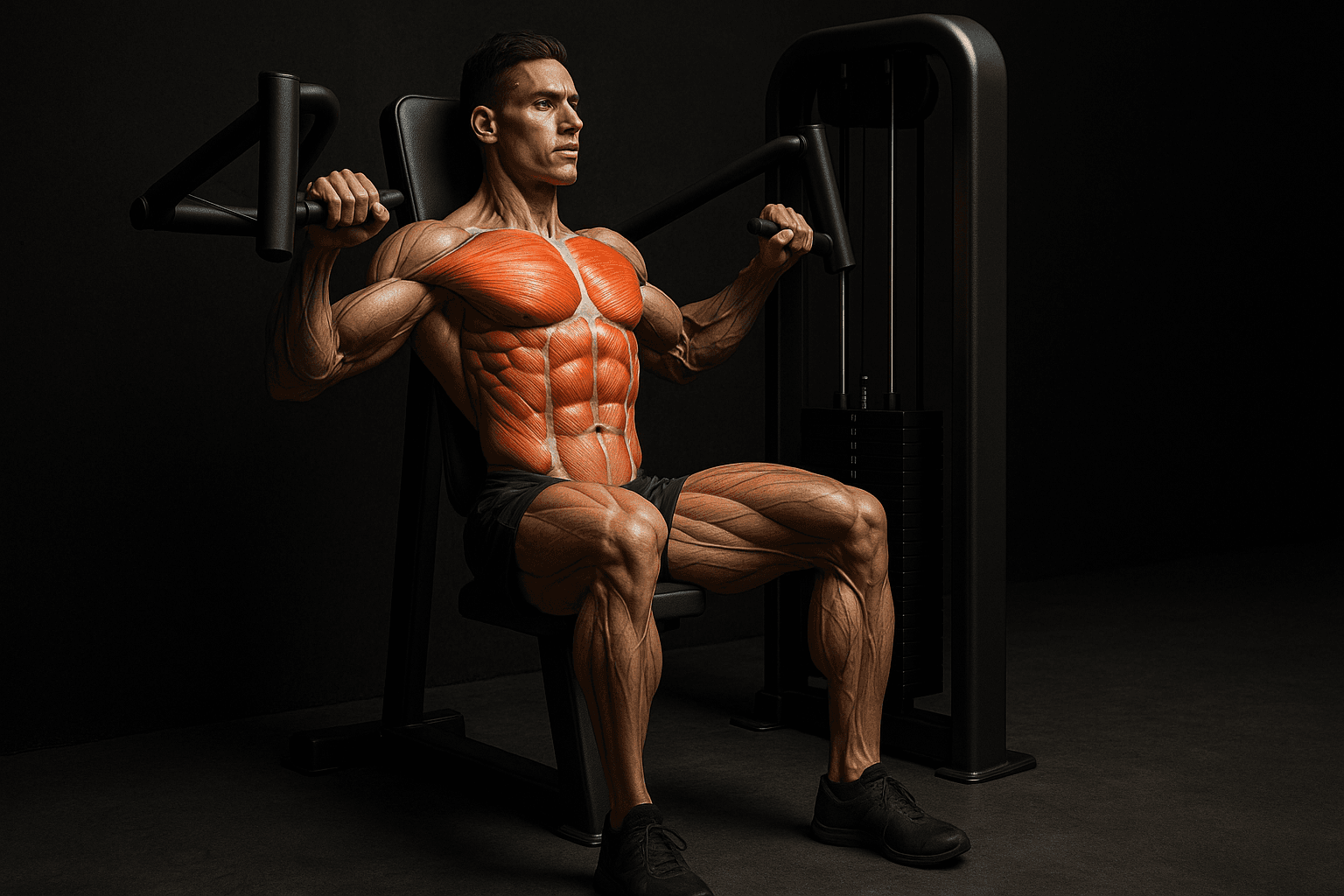
Photo by RepBro.
How long does muscle soreness last?
Normal post-exercise muscle soreness usually starts 12–24 hours after you train, peaks between 24 and 72 hours, and is mostly gone within 3–5 days. In people who are new to a movement or after an unusually intense eccentric session, soreness can stick around for up to 7 days in some cases. If pain persists beyond a week, is getting worse instead of better, or includes severe symptoms (see below), get medical advice.
What exactly causes this soreness?
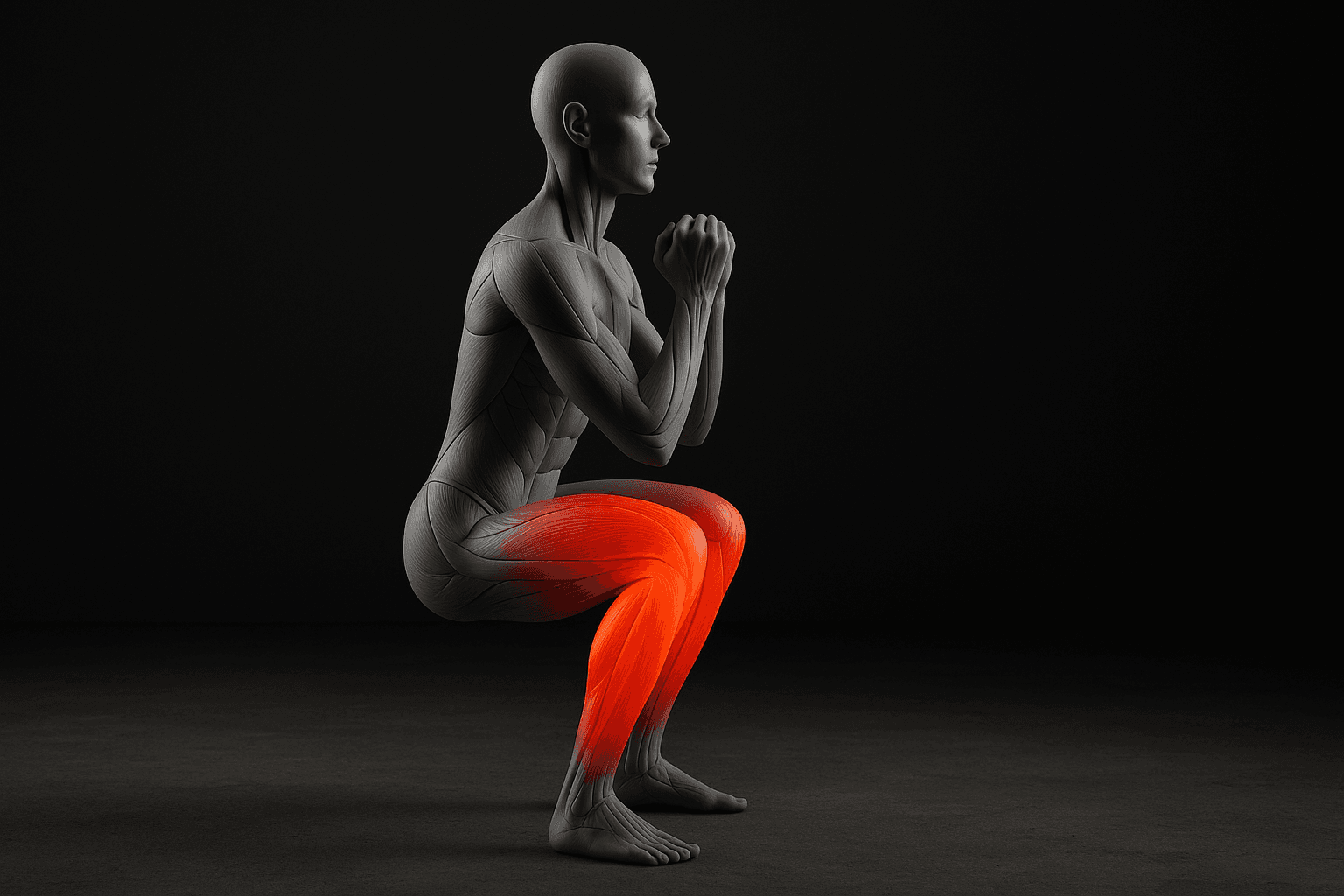
The typical delayed soreness people mean is called delayed-onset muscle soreness, or DOMS. It isn't from lactic acid; it comes from mechanical stress and microscopic damage to muscle fibers—especially from eccentric actions (lengthening under load), like downhill running, lowering a weight, or the lowering phase of a squat. The tissue disruption triggers inflammation and increased sensitivity in the area, which feels sore when you move.
When does soreness peak and when does it resolve?
- Onset: 12–24 hours after exercise for most people.
- Peak: 24–72 hours after exercise.
- Resolution: Most people feel substantially better by 72 hours and return to baseline in 3–5 days.
- Outliers: Up to 7 days for very untrained people or after unusually heavy eccentric work; beyond 7–10 days is uncommon and should prompt reassessment.
Use these numbers to plan training: give a heavily targeted muscle group 48–72 hours before training it hard again. If soreness is still severe at 48 hours, consider another light day or work a different muscle group.
What affects how long soreness lasts?
- Exercise novelty: New movements or sudden volume increases cause longer soreness.
- Eccentric emphasis: Movements with strong lengthening forces (e.g., negatives, downhill running) produce more and longer DOMS.
- Intensity and volume: Higher load and more sets typically mean more soreness.
- Training status: Beginners get longer, worse soreness than trained lifters.
- Age: Older adults often experience more pronounced and longer-lasting soreness.
- Recovery factors: Sleep, protein intake, hydration, and prior conditioning influence recovery speed.
How should I train when I'm sore?
- If soreness is mild to moderate: Go ahead with planned training, but reduce intensity for the sore muscles by 30–50% and avoid heavy eccentric overload.
- If soreness prevents normal movement or weakens the lift significantly: Skip heavy sessions for that muscle and do low-load mobility work, light cycling, or upper-body if lower body is sore.
- Progress cautiously: Use the repeated-bout effect—don’t try to chase soreness every session. Gradually increase volume/intensity over weeks to reduce future DOMS.
If you use an app or coach to track progress, adjust volume based on soreness. If you use RepBro for programming, you can import or modify plans easily at https://repbro.app/import.
Quick evidence-aware recovery actions (what actually helps)
- Active recovery: 10–30 minutes of low-intensity cycling, walking, or mobility increases blood flow and reduces perceived soreness.
- Sleep: Aim for consistent quality sleep; it’s one of the biggest drivers of recovery.
- Protein: Distribute 20–40 g of quality protein across meals to support repair—this supports recovery but won’t eliminate soreness overnight.
- Mobility and light stretching: Gentle range-of-motion work reduces stiffness and does not worsen recovery.
- Heat or cold: Both can be useful for symptom relief. Cold may help acute inflammation; heat helps tightness and mobility. Use what gives you symptomatic relief.
- Massage and foam rolling: These give moderate short-term relief of soreness and improve movement.
- Medication: Short-term NSAIDs can reduce pain but don’t speed long-term adaptation; use according to label and medical advice.
Avoid unproven ‘‘quick fixes’’ that promise to eliminate soreness immediately—most interventions reduce discomfort rather than speed tissue adaptation.
When should I worry and see a professional?
Stop and get medical attention if you have any of these: sudden sharp pain during exercise (not normal soreness), swelling and severe loss of function, dark brown urine, extreme muscle weakness, dizziness, fever, or soreness that gets steadily worse for days. These signs could indicate a serious condition such as a major muscle tear or, rarely, rhabdomyolysis. I cannot diagnose—seek a clinician for those cases.
Safety note: Stop immediately if you feel sharp or unusual pain during a workout. If pain is severe, accompanied by swelling, or limits basic movement for more than a few days, consult a qualified health professional.
Practical rules-of-thumb you can use tomorrow
- If soreness is mild and you can move with some discomfort, train but reduce intensity for the affected muscles by about 30–50%.
- If soreness prevents normal movement, choose active recovery or train other muscle groups and wait 48–72 hours before reloading.
- For long-term planning, increase training volume by no more than 5–15% per week to limit severe DOMS.
If you want an app to track soreness, modify plans, or log recovery metrics alongside training, check out RepBro which lets you adjust programs based on how you feel.
One-sentence takeaway: Most muscle soreness peaks within 24–72 hours and clears in 3–5 days—train around it, prioritize sleep and protein, and seek care for severe or worsening symptoms.
Frequently asked questions
- Is muscle soreness the same as injury pain?
- No. Soreness from normal training (DOMS) is delayed, dull, and affects movement but improves gradually; sharp, focal pain during activity or sudden loss of function suggests injury and should be evaluated.
- Can I train while sore?
- Yes—light to moderate exercise that does not significantly increase pain is fine. Reduce load 30–50% for the sore muscles, focus on mobility, or train other muscle groups.
- How can I shorten soreness duration?
- Active recovery, sleep, adequate protein, and gentle mobility reduce discomfort and speed functional recovery; extreme treatments and promises of instant fixes are unreliable.