
The RepBro Blog
Archive · page 53 of 54
3215 articles on training, programming, cardio, and getting more out of your gym app.
RepBro vs RepCount: Comparação honesta para quem escolhe um app de academia
Comparação imparcial entre RepBro e RepCount: logging, planos com IA, integração com Apple Watch, offline e motivação. Veja qual escolher segundo suas prioridades.
RepBro vs Setgraph: Uma comparação honesta para quem escolhe app de academia
Comparação honesta entre RepBro e Setgraph para quem procura um app de treino: diferenças reais, pontos fortes de cada um e recomendação prática de escolha.
RepBro vs Strong: Uma comparação honesta
Comparativo honesto: RepBro vs Strong — entenda diferenças práticas entre os apps, quem deve escolher cada um e quando priorizar IA ou rastreio tradicional.
RepBro vs Zing: Uma comparação honesta para escolher seu app de treino
Comparação honesta entre RepBro e Zing para quem quer escolher um app de treino: diferenças reais, pontos fortes de cada um e recomendação prática.
RepCount vs Setgraph (e onde o RepBro se encaixa)
Comparação prática entre RepCount e Setgraph em planos, velocidade de registro, progressão e preço — e quando considerar o RepBro para planos AI e motivação.
Strong vs Caliber (e onde o RepBro entra): comparação prática para quem levanta peso
Comparativo neutro entre Strong e Caliber: planos, velocidade de registro, progressão e modelo de preço. Inclui onde o RepBro se encaixa para quem quer planos AI e responsabilização.
Strong vs Fitbod (e onde o RepBro entra)
Comparação prática entre Strong e Fitbod: planos, velocidade de registro, progressão e modelos de preço — e como o RepBro se posiciona para quem quer IA + responsabilidade.
Zing vs Ladder (e onde o RepBro se encaixa)
Comparação prática entre Zing e Ladder: planos, velocidade de registro, progressão e modelos de preço, com indicação de onde o RepBro pode atender quem quer IA + responsabilidade.
The Best Gym Split When You Only Have 3 Hours a Week
Short on time? Use a 3x/week full-body split: 3 sessions of ~60 min, prioritize 3–5 compound lifts per session, 9–15 weekly sets per muscle, and simple progression.
How Much Caffeine Before a Workout Actually Helps?
Practical, evidence-based guidance on caffeine dose and timing for workouts: clear numbers (mg/kg), timing, forms, side effects, and safety notes for lifters.
How to Calculate Your Training Max
Practical guide to calculating a training max: use a tested or estimated 1RM then apply a conservative percentage. Examples, formulas, update rules, safety and limits.
Building Muscle After 40: What Changes and What Doesn't
Yes — you can build muscle after 40. This evidence-aware guide gives practical numbers for training, protein, volume and recovery so you can make consistent gains safely.
Coming Back to the Gym After 2 Weeks Off: How to Restart Without Losing Progress
Practical, evidence-aware guidance for returning after a two-week gym break: what to expect, how to adjust loads and volume, progression plan, safety tips, and limits of apps.
Is a Creatine Loading Phase Necessary?
Direct, evidence-aware answer on whether a creatine loading phase is necessary, practical dosing, timing, side effects, and a clear comparison of loading vs no-loading.
Cutting vs Bulking First: How to Decide and What to Do
Decide whether to cut or bulk first based on body-fat, goals, and timeline. Practical calorie, training, and pacing guidance for lifters seeking muscle and strength.
How Fast Does Detraining Actually Happen?
Direct, evidence-aware guide on how quickly strength, muscle size, and endurance decline during breaks. Practical timelines, maintenance tactics, and safety notes.
Do You Need a Lifting Belt?
Direct, evidence-aware guidance on when to use a lifting belt, with practical thresholds, technique tips, a comparison table, safety notes, and limitations.
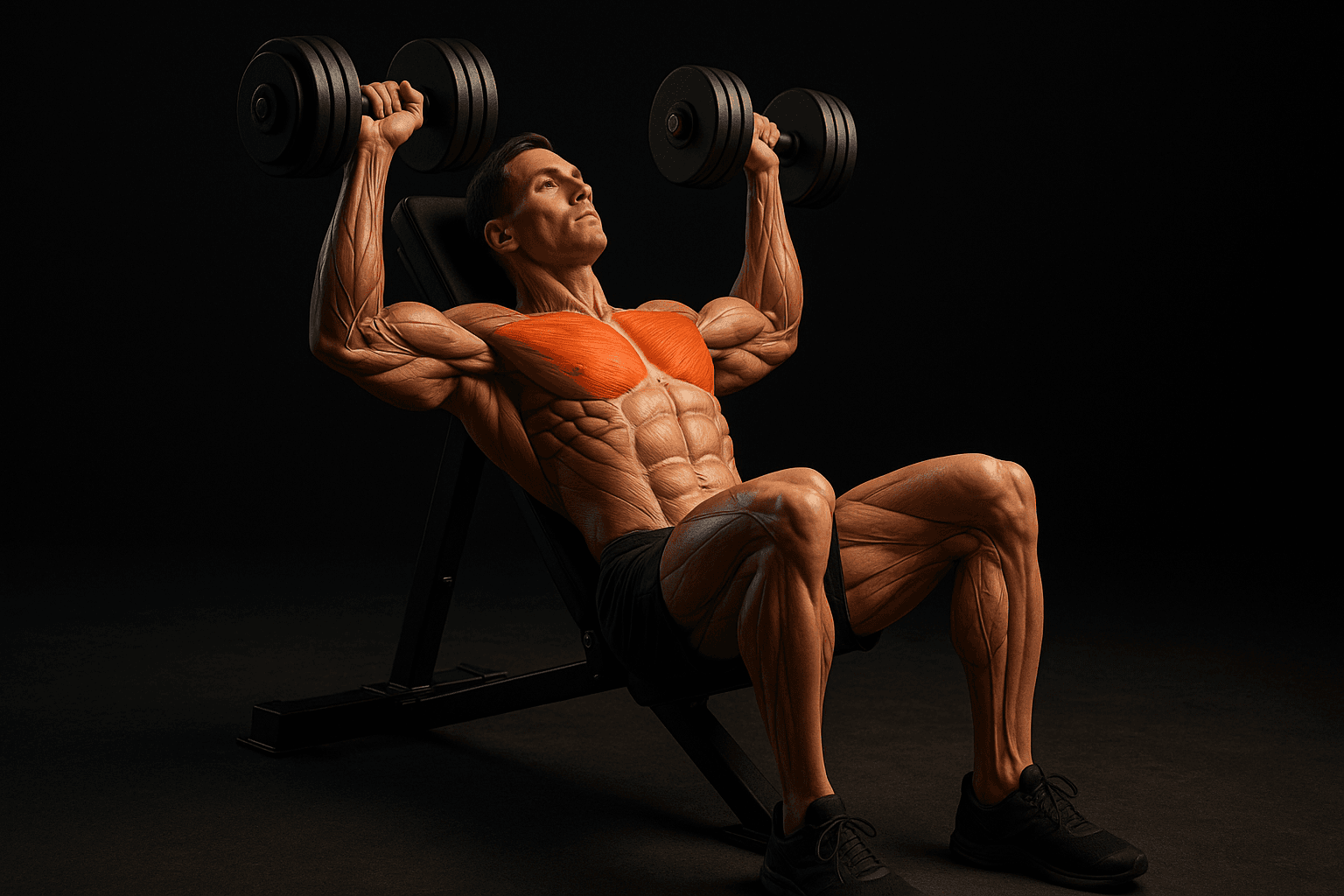
Do Drop Sets Actually Build More Muscle?
Clear, evidence-aware guidance on whether drop sets increase muscle growth, how to use them, and practical programming tips for lifters.
What to Actually Expect in Your First Month at the Gym
Clear, evidence-aware expectations for your first month at the gym: what changes to expect in strength, size, fatigue, training frequency, and nutrition to make steady progress.
Full Range of Motion vs Partial Reps: Which Should You Use?
Direct, evidence-aware guidance on full range of motion versus partial reps for strength and hypertrophy, with practical programming and safety notes.
Is Going to the Gym 2 Days a Week Enough?
Clear, evidence-aware guidance on whether two weekly gym sessions can deliver strength, muscle, or health improvements — and how to program them effectively.
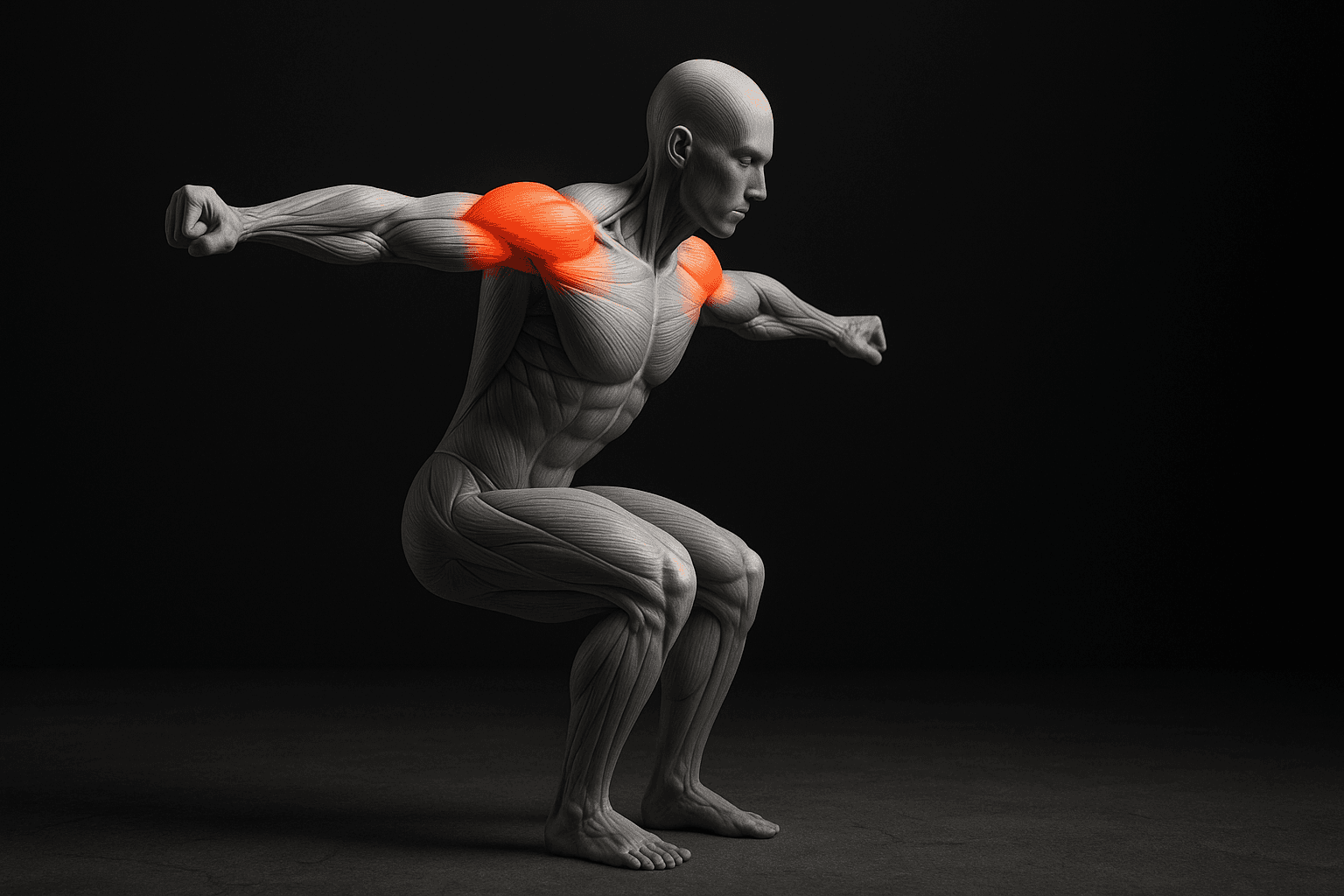
Using the Gym for Weight Loss: A Beginner's Playbook
Practical beginner's guide to using the gym for weight loss: simple workouts, weekly targets, calorie numbers, and a sample 3–4 day plan you can start this week.
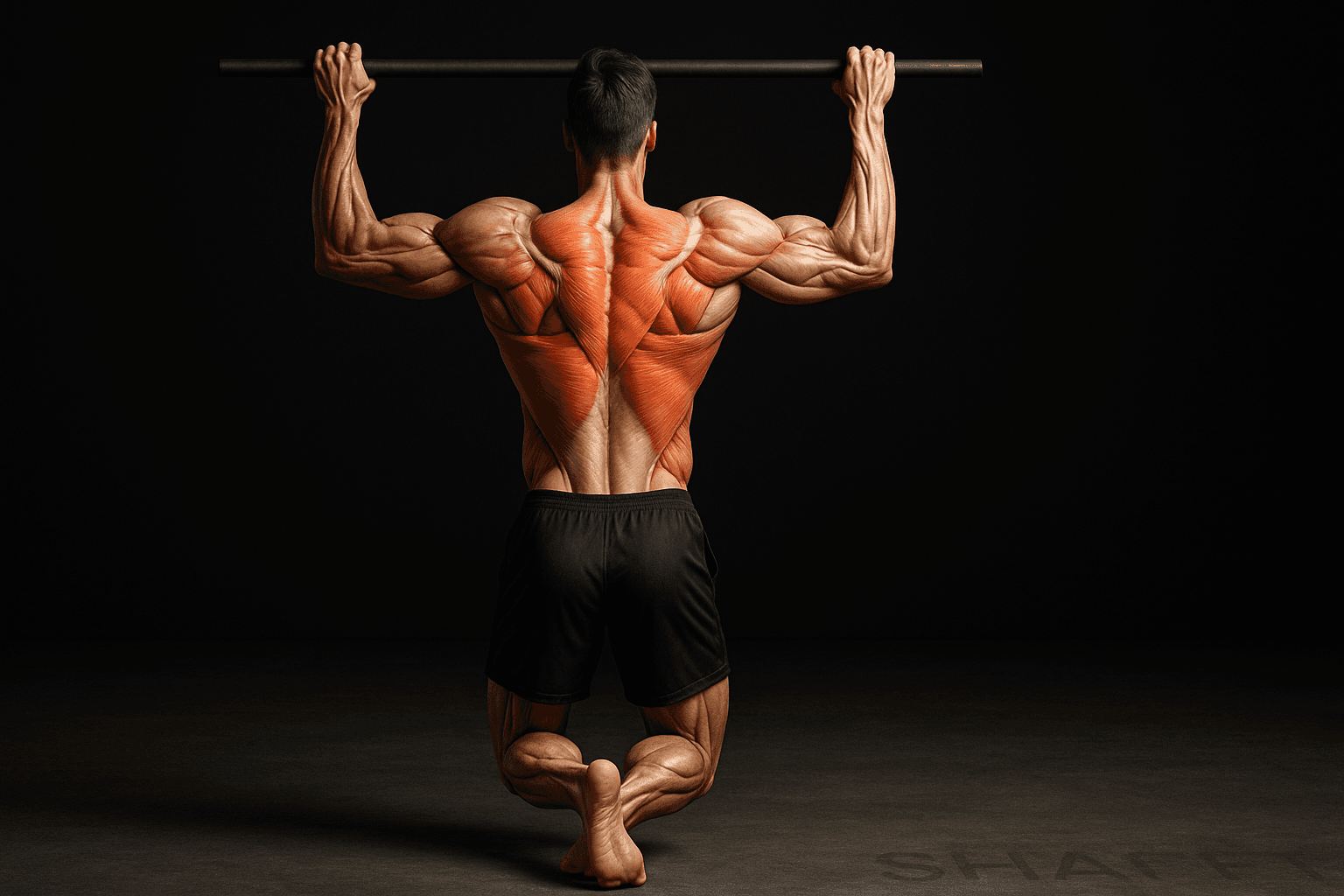
How to Overcome Gym Intimidation
Practical, evidence-aware steps to reduce gym intimidation: planning, exposure, simple programming, etiquette, and tracking progress. Includes safety, limitations, and quick FAQs.
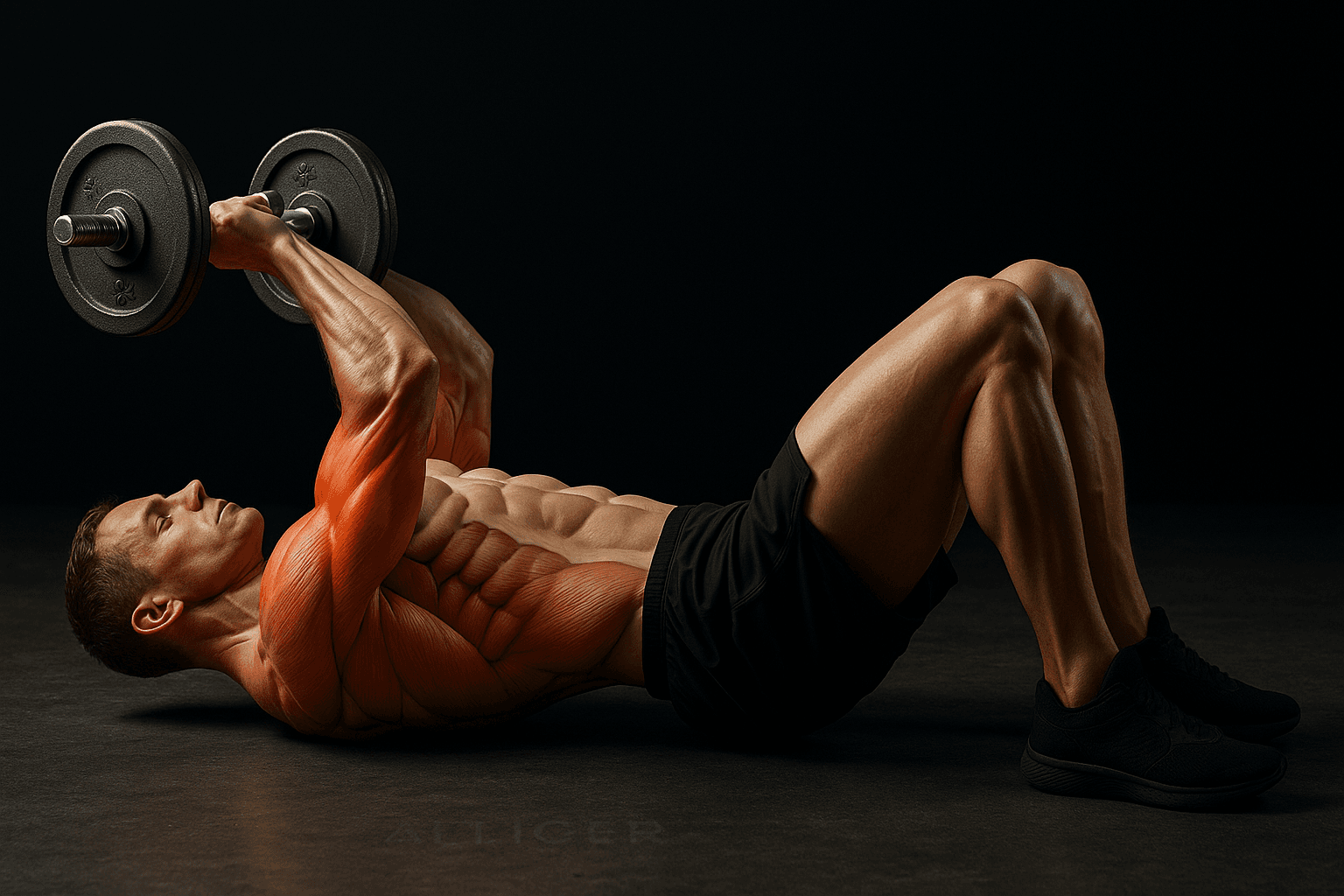
A Gym Warm-Up Routine That Takes 6 Minutes
A practical 6-minute gym warm-up: exact exercises, timings, and how to adapt for squats, bench, or conditioning days. Evidence-aware, no fluff.
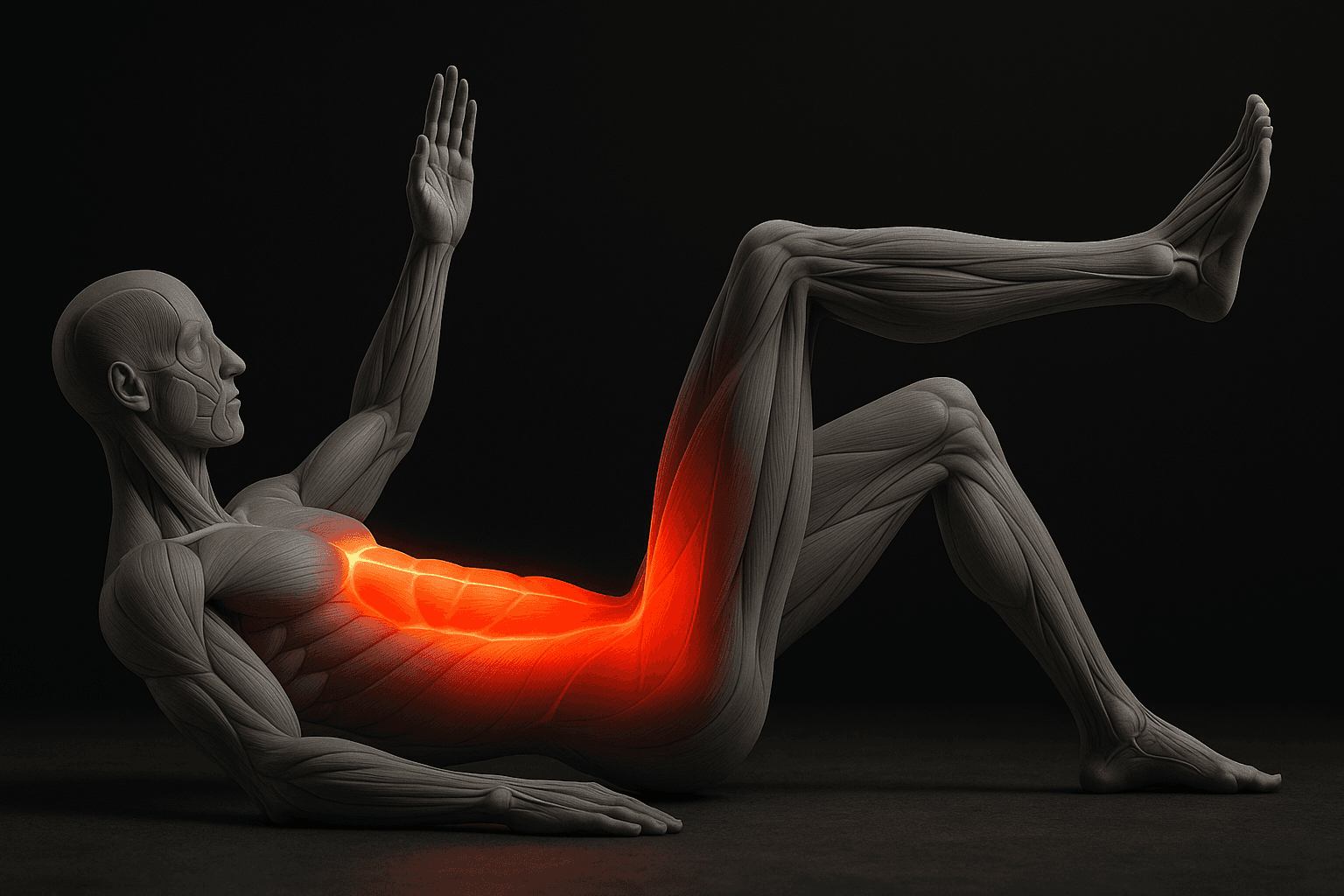
How Heavy Should Your First Dumbbells Be? Practical Starting Weights for Beginners
Clear, evidence-aware guidance on how heavy dumbbells should be for beginners with concrete starting weights (kg/lb), progression tips, and safety notes.
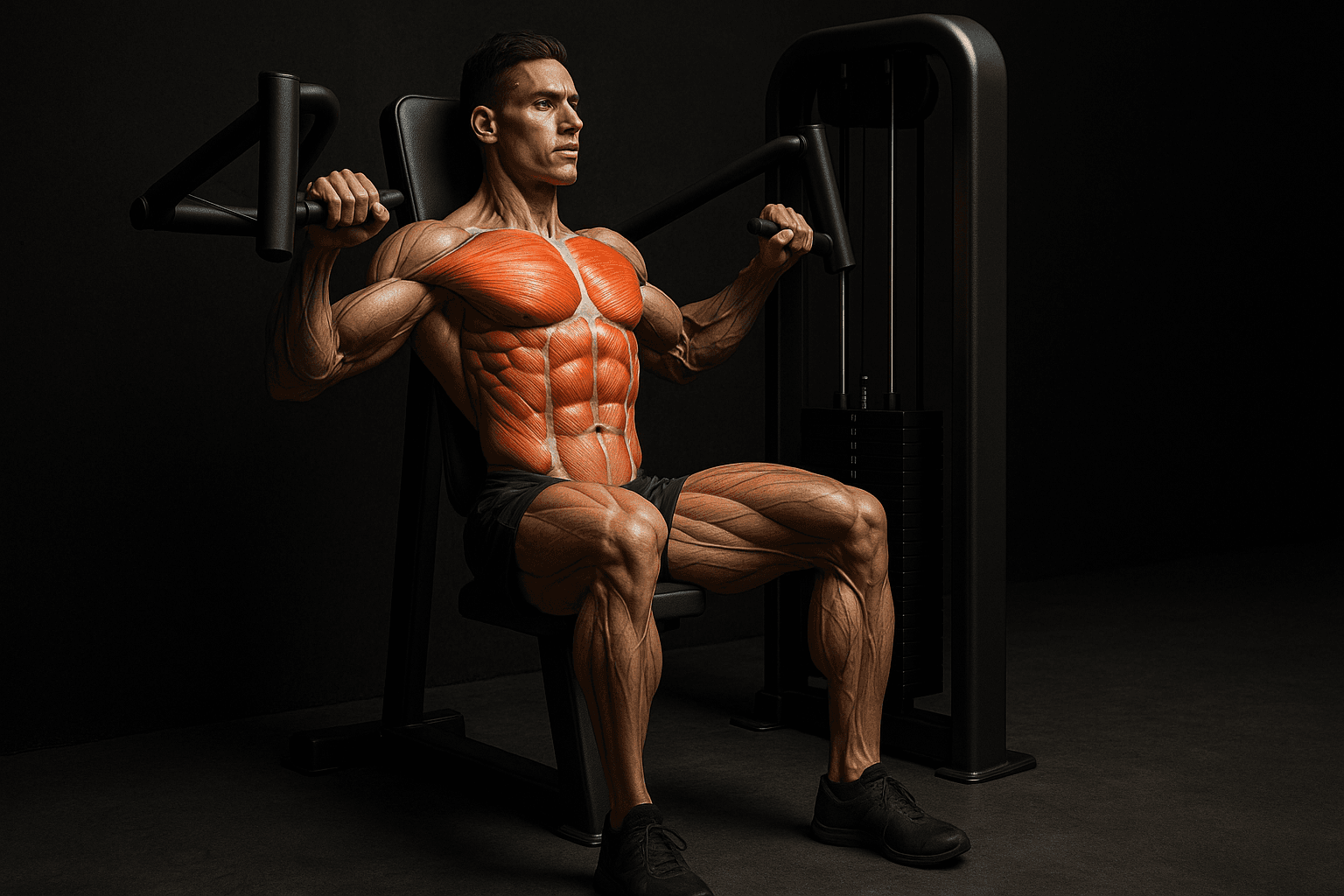
How Long Does Muscle Soreness Last (and When to Worry)
Normal muscle soreness typically starts 12–24 hours after exercise, peaks at 24–72 hours, and mostly resolves in 3–5 days; learn recovery tips and red flags.
How Long to Rest Between Sets (by Goal)
Clear, evidence-aware rest intervals: how long to rest between sets for strength, hypertrophy, power, and endurance — with practical timers and sample protocols.
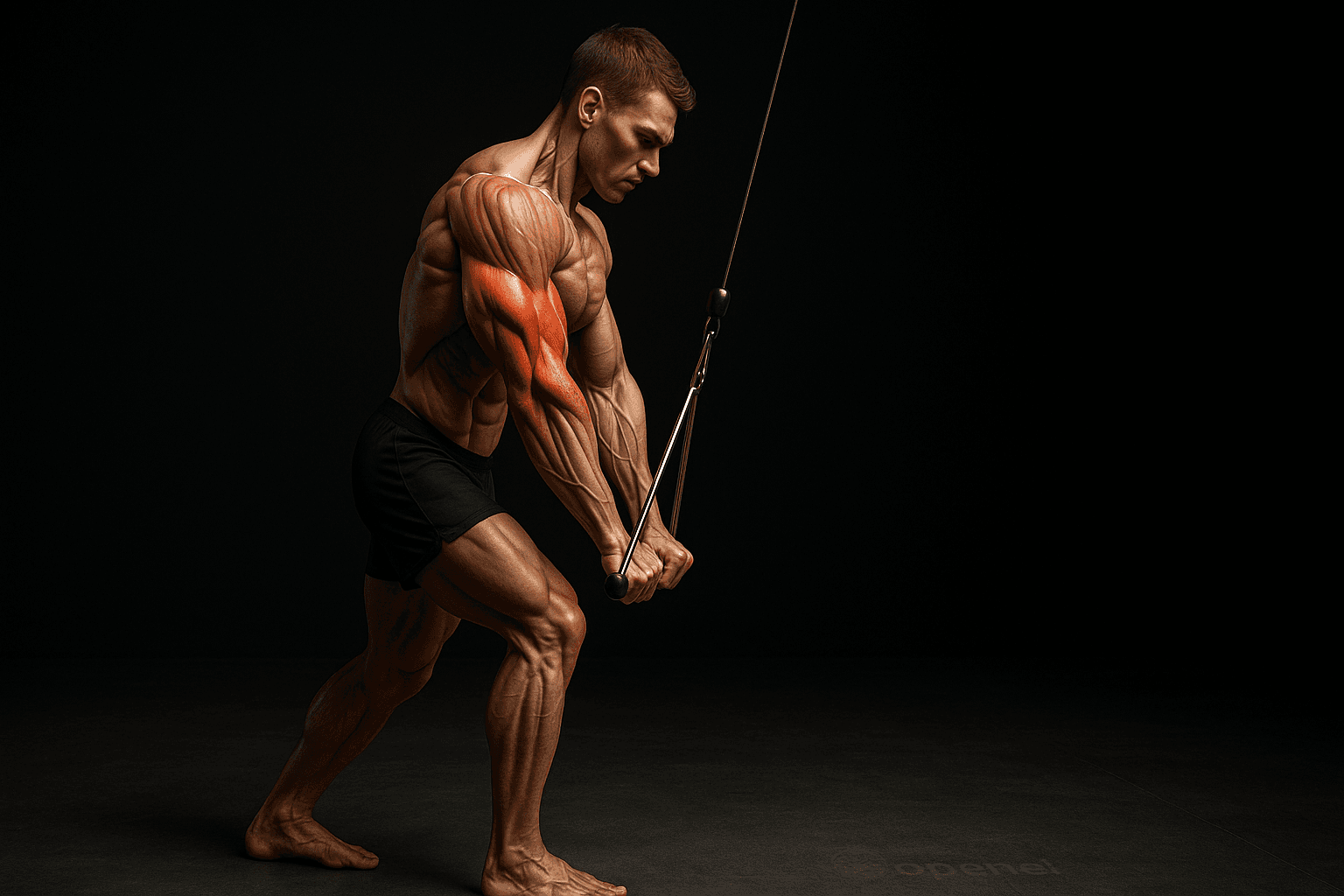
How Long to Rest Between Workouts for the Same Muscle?
Practical, evidence-aware guidance on how long to rest the same muscle between sessions. Clear ranges, programming notes, safety checks, and a short FAQ for lifters.
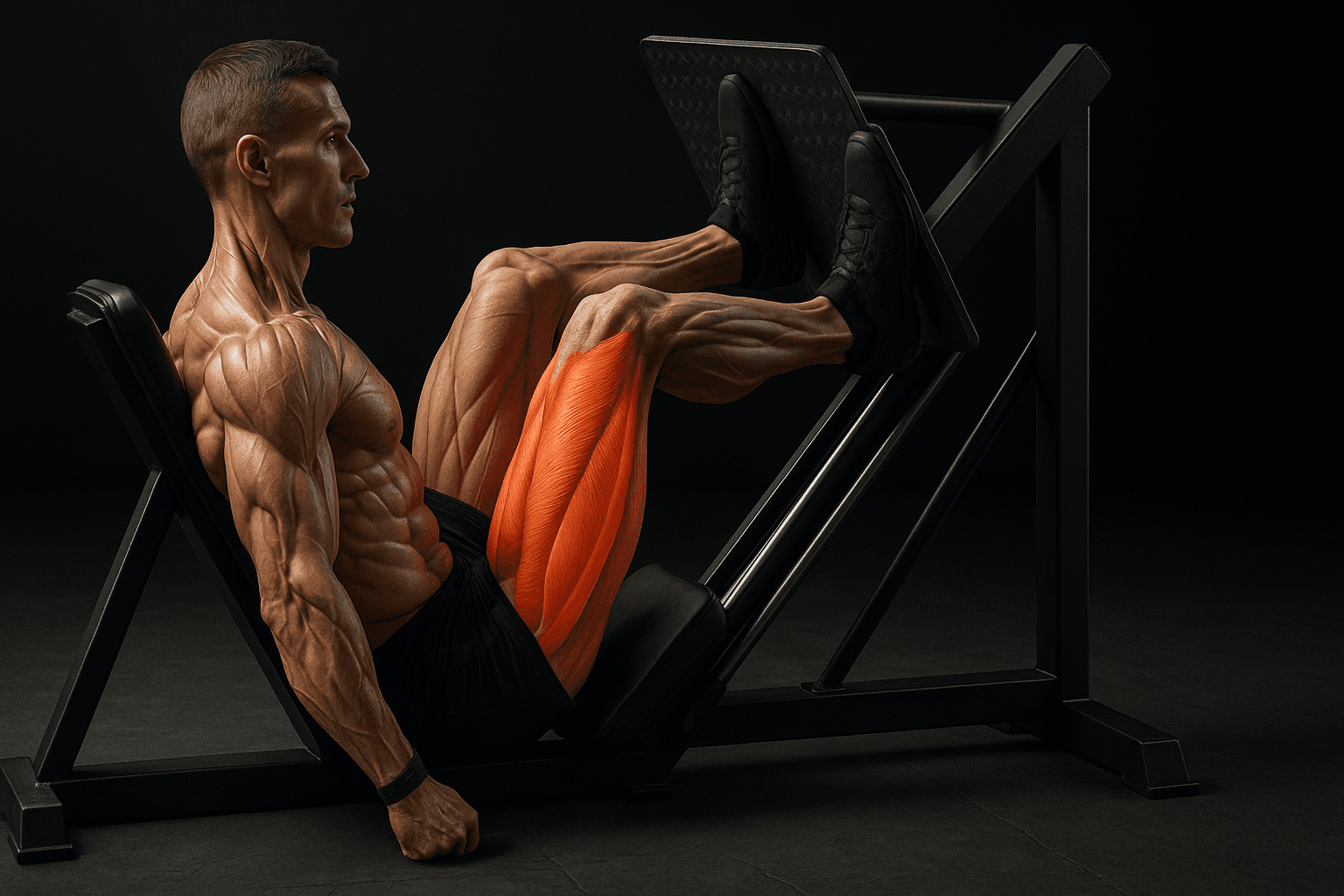
How Long Until You See Results From the Gym?
Direct, evidence-aware timelines: strength gains in weeks, visible muscle in months, and fat-loss rates—practical numbers and how to track progress.
How Many Exercises Should One Workout Have?
Answer: 4–8 exercises per workout for most lifters. Evidence-aware guidance by goal, session length, and weekly volume; templates, safety tips, and examples.
How Many Rest Days a Week Do Lifters Actually Need?
Most lifters need 1–3 rest days per week. This evidence-aware guide gives concrete schedules, signs you need more rest, and practical tweaks for different training setups.
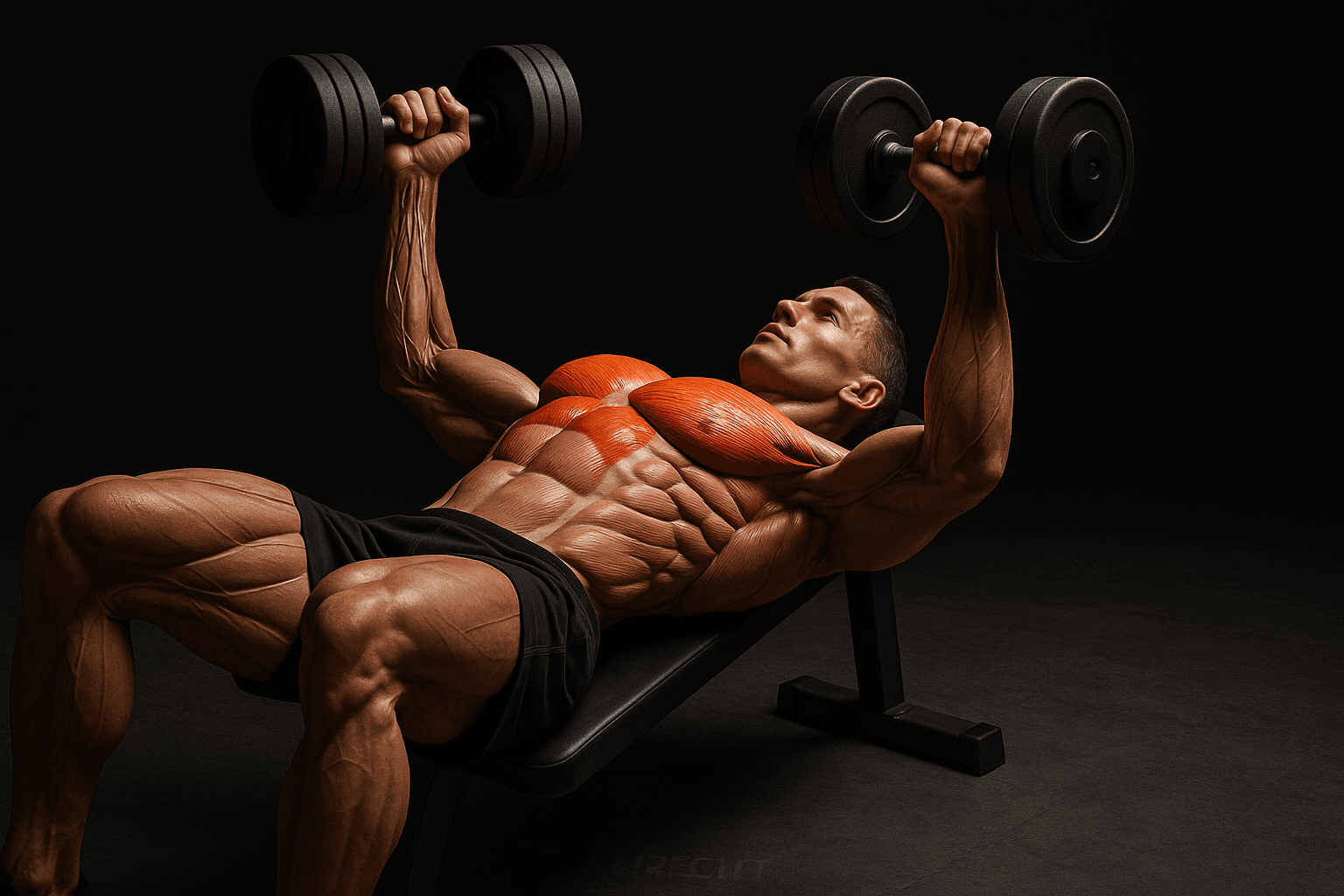
How Many Sets per Muscle Group per Week? Clear, Practical Targets
Get clear, practical weekly set targets per muscle group: exact numbers for beginners, intermediates, and advanced lifters plus frequency, intensity, and programming tips.
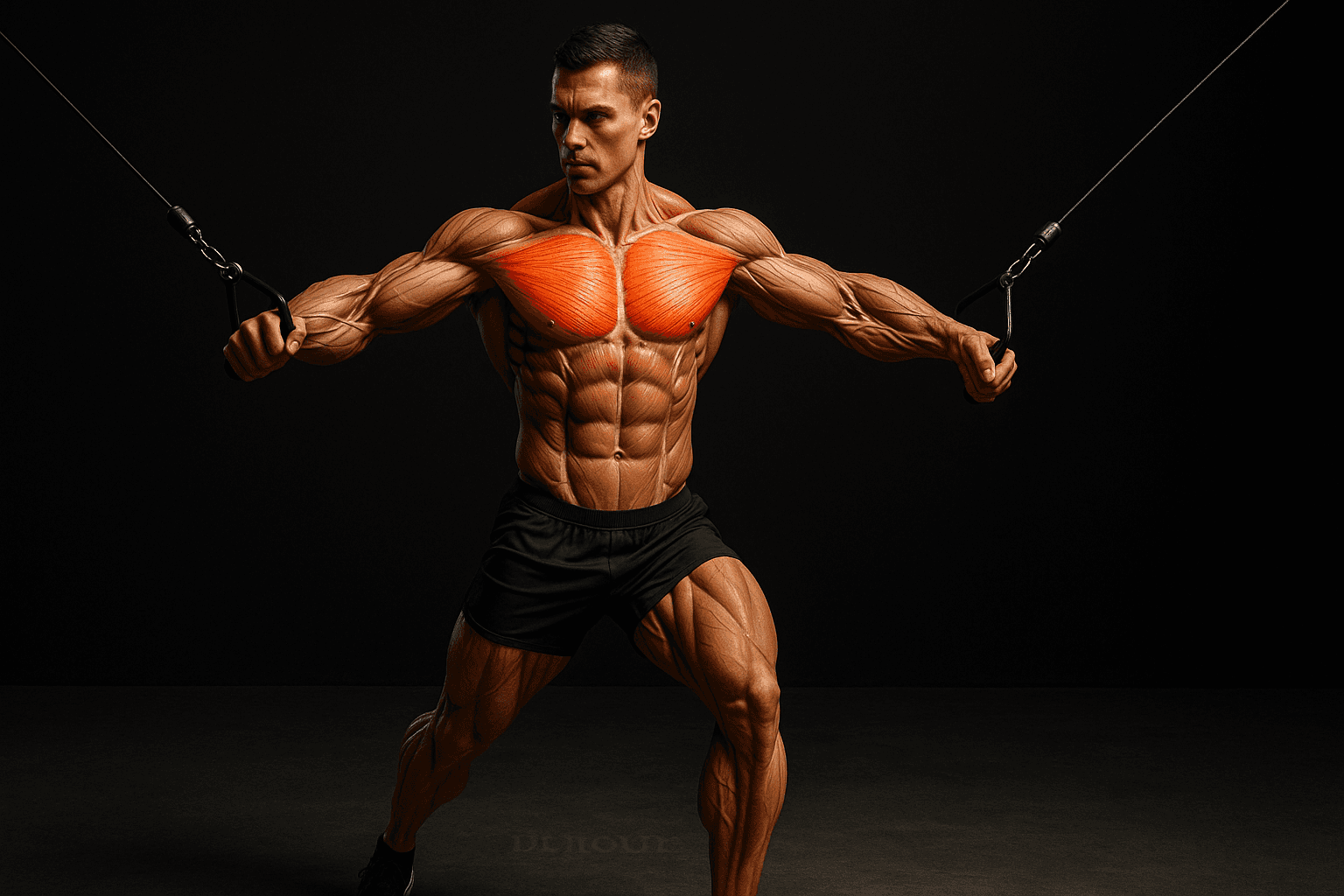
How Much Water Should You Drink During a Workout?
Clear, evidence-aware guidance on how much to drink during workouts, practical numbers, how to measure sweat rate, and safety tips for lifters.
How Much Weight Should a Beginner Lift?
Clear, practical starting weights for beginners: exact numbers for common lifts, how to test them, progression rules, and safety tips for steady progress.
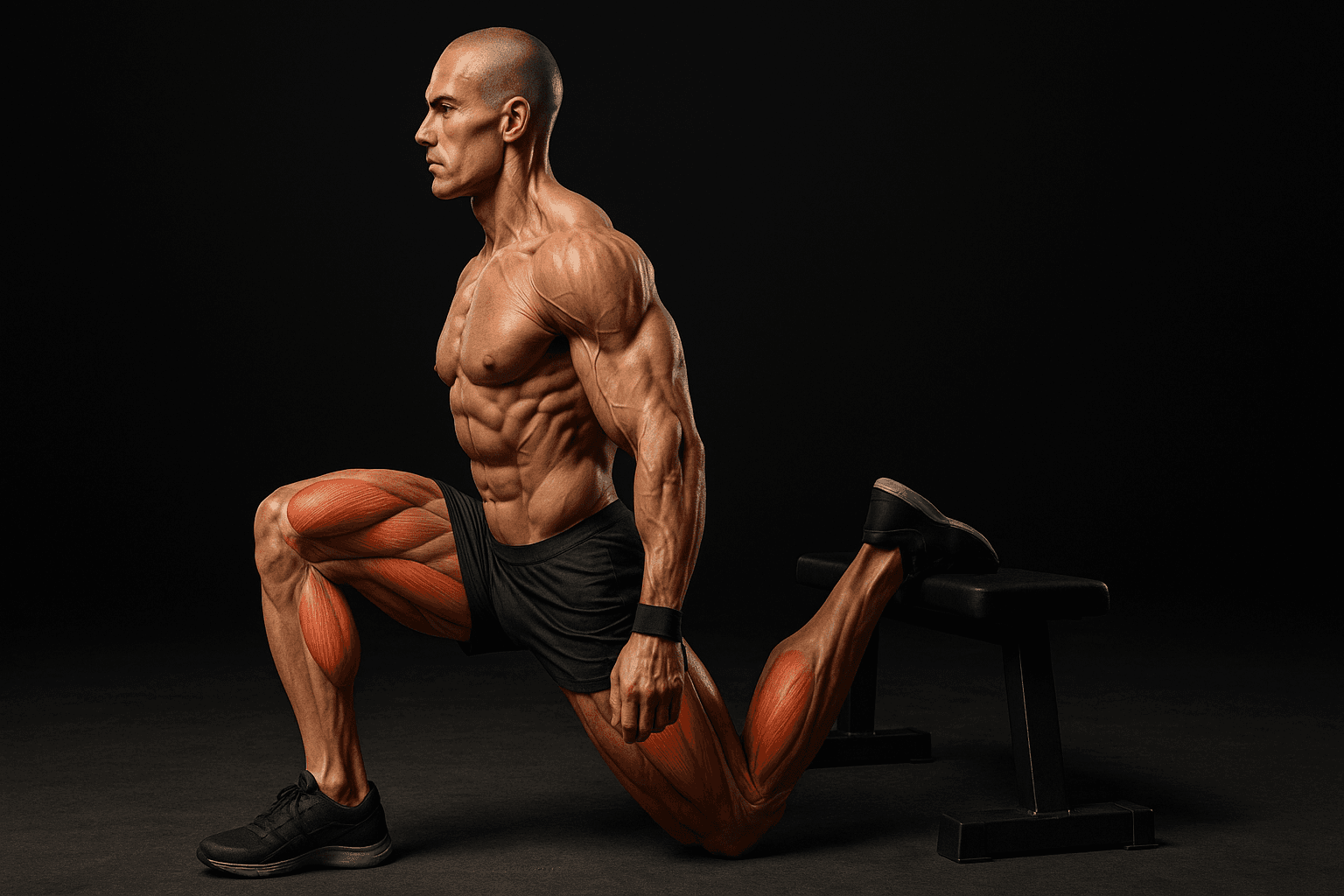
How to Breathe While Lifting (Bracing Explained Simply)
Simple, evidence-aware guidance for breathing while lifting: when to inhale, when to brace, and when to exhale for safety and strength across common lifts.
How to Grip the Deadlift: Double Overhand, Mixed, or Hook
Clear, practical guidance on deadlift grips: double-overhand, mixed, and hook. When to use each, how to learn the hook safely, training numbers, and common mistakes.
How to Test Your 1-Rep Max Safely
Direct, evidence-aware guide to testing a 1RM safely: step-by-step warm-up, attempt limits, rest, alternatives, spotting and limits of apps. Practical, coach-style advice.
How to Track Workouts So the Data Actually Helps
Practical, evidence-aware guidance on how to track workouts effectively: what to log, how often, analysis methods, and simple progression rules to make data usable.
How to Warm Up for Heavy Squats
Clear, practical guidance for warming up before heavy squats: sequence, sets/reps, mobility and sample progressions to reach heavy loads safely and effectively.
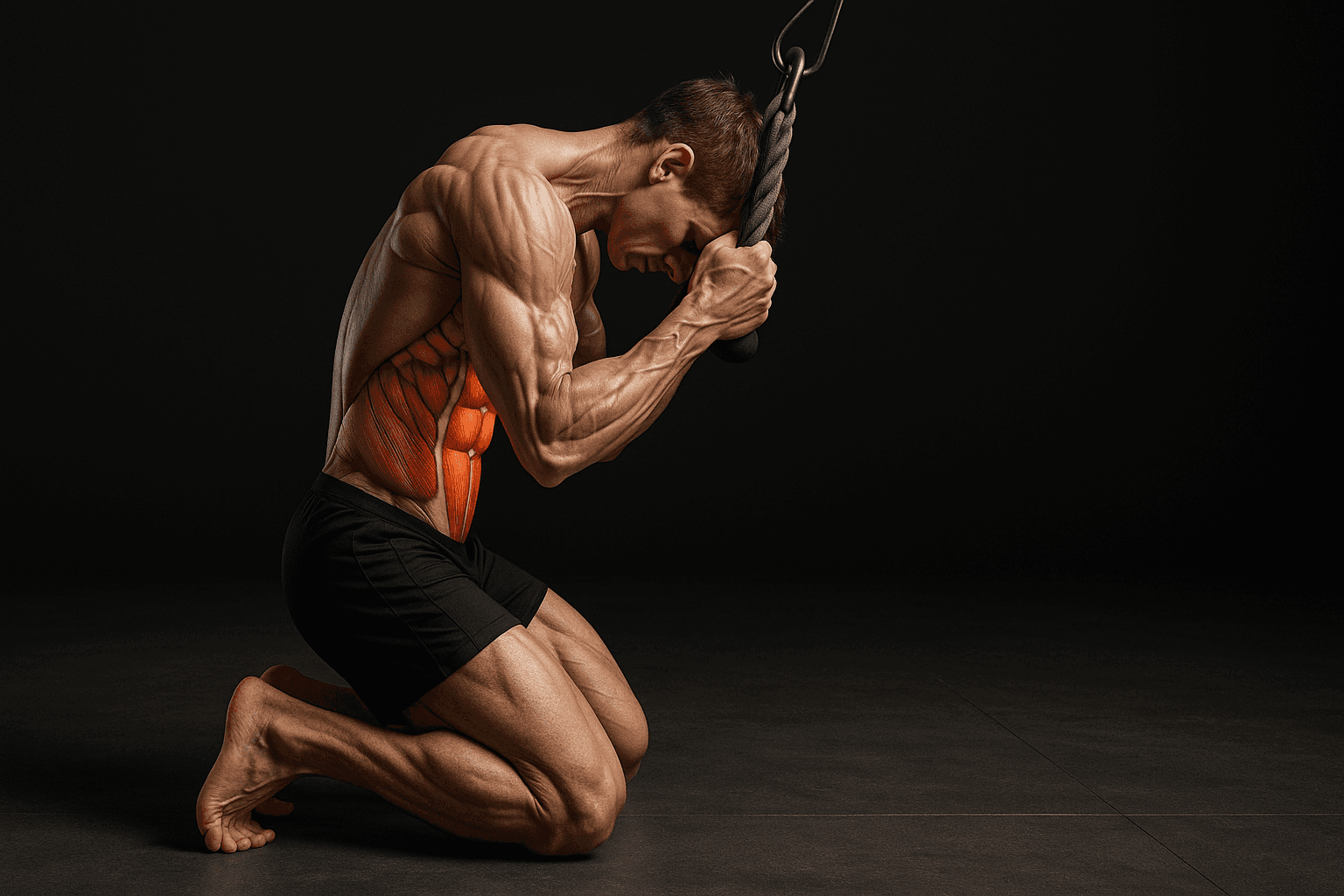
Training the Same Muscle Two Days in a Row: OK or Not?
Short, practical guide on whether it's OK to train the same muscle two days running. Evidence-aware rules, concrete numbers, program examples, and safety notes.
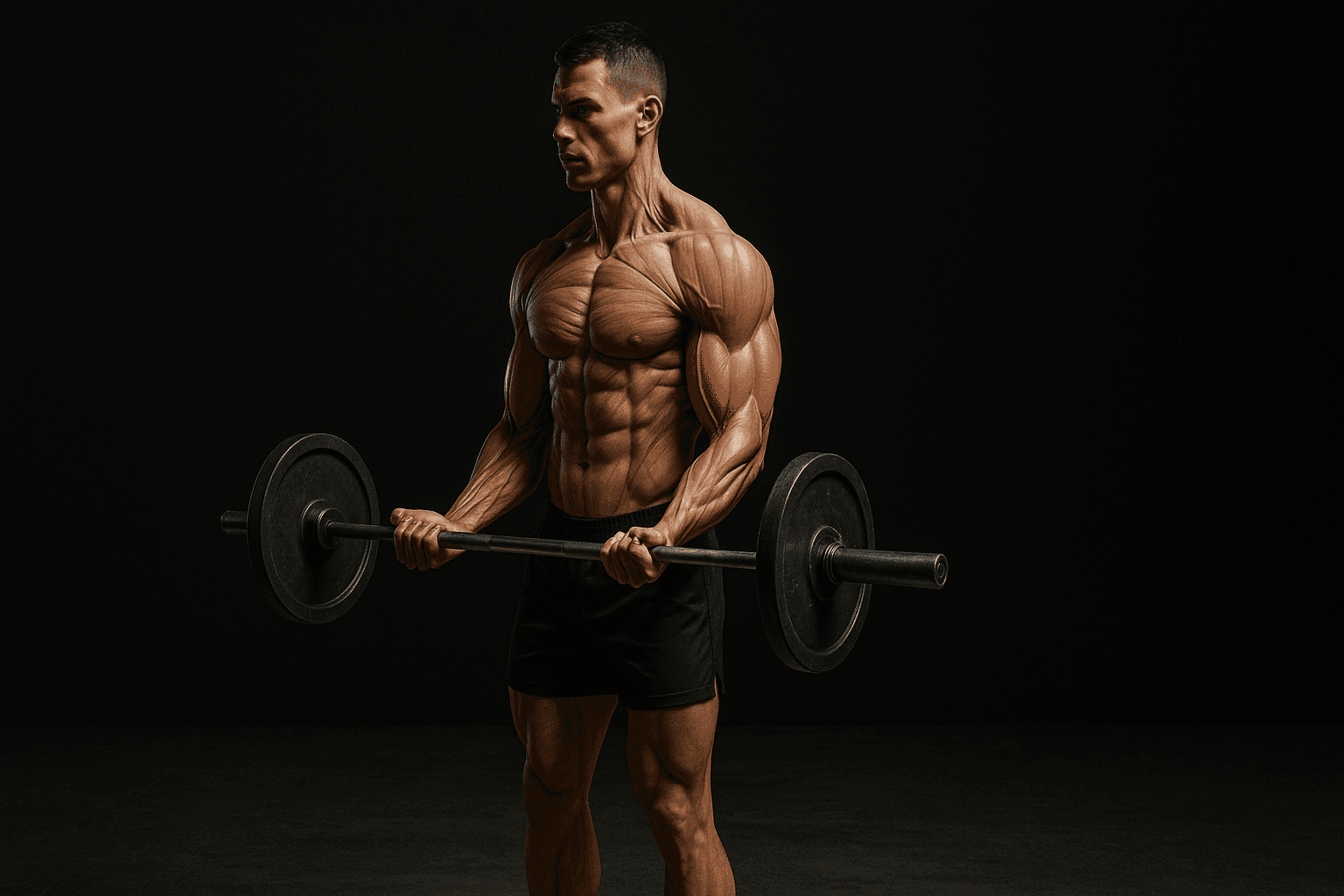
Is Soreness Necessary for Muscle Growth?
Short answer: no — muscle soreness (DOMS) is not required for hypertrophy. Learn what causes soreness, what does drive growth, practical numbers, and how to use soreness to adjust training.
Lifting Weights to Lose Fat: Why It Works Better Than Cardio Alone
Lifting weights helps you lose fat more effectively than cardio alone by preserving muscle, boosting strength, and improving body composition—here's how to do it.
Machines vs Free Weights: What Beginners Should Actually Use
A direct, evidence-aware guide for beginners: use mostly free weights for strength and motor learning, and machines as safe, useful supplements—practical plan included.
Is the Mind–Muscle Connection Real?
Short, evidence-aware look at whether focusing on a muscle changes activation and growth, with practical guidance, numbers for programming, and limits of apps and AI.
The Minimum Effective Dose for Training Results
Clear, evidence-aware guide to the minimum effective dose (MED) for strength and hypertrophy: practical weekly set ranges, frequency, progression and safety.
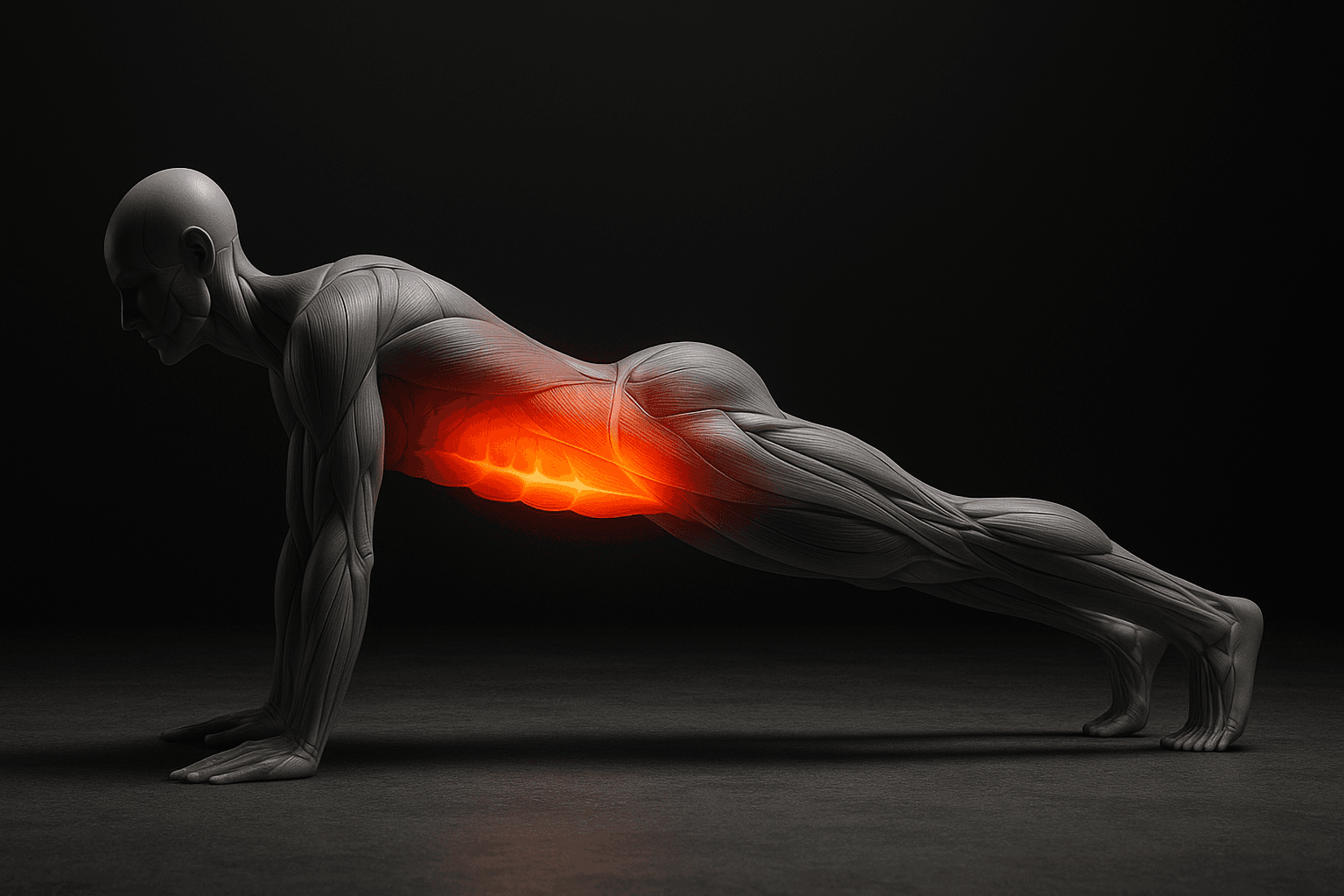
Lifting Weights Fasted in the Morning: Good or Bad Idea?
Clear, evidence-aware take on morning fasted lifting: who benefits, performance impacts, nutrition tips, and safety. Practical guidance for weight lifters.
7 Signs You're Overtraining (and What to Do About Each)
Spot the 7 common overtraining signs and practical fixes: sleep, performance, mood, HR, soreness, appetite, illness—concrete steps and numbers to recover.
Pre-Workout vs Plain Coffee: Is the Fancy Powder Worth It?
Direct comparison of pre-workout powders and plain coffee. Practical dosing, costs, side effects, and when the powder actually adds value for training.
Protein Shake Timing: Does It Really Matter?
Clear, evidence-aware answer on whether protein shake timing matters for muscle and recovery. Practical numbers, meal distribution, and safety notes for lifters.
Rest-Pause Training Explained: Does It Work?
Clear, evidence-aware guide to rest-pause training: what it is, when it helps, practical protocols, comparisons, safety, and limitations for lifters.
Should Beginners Train to Failure?
Short, evidence-aware answer: beginners should NOT regularly train to failure. Use near-failure (1–3 RIR), focus on technique, volume, and consistency.
Should You Do Cardio on Leg Day?
Clear, evidence-aware guidance on whether to do cardio on leg day, with practical durations, scheduling options, and safety notes for strength and hypertrophy goals.
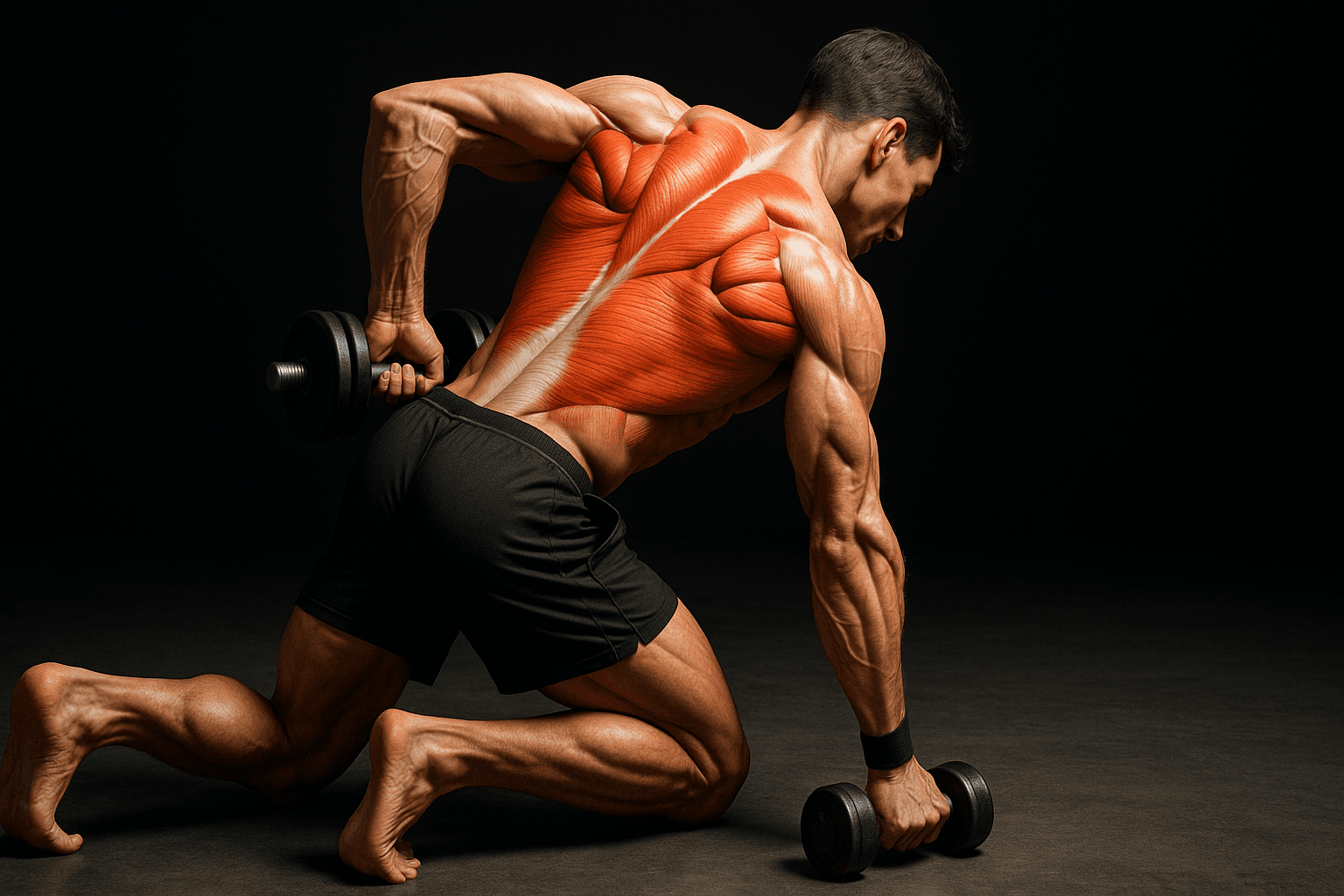
Should You Train Abs Every Day?
Direct, practical answer on whether to train abs every day, with numbers, examples, and a simple weekly plan you can follow. Safety note included.
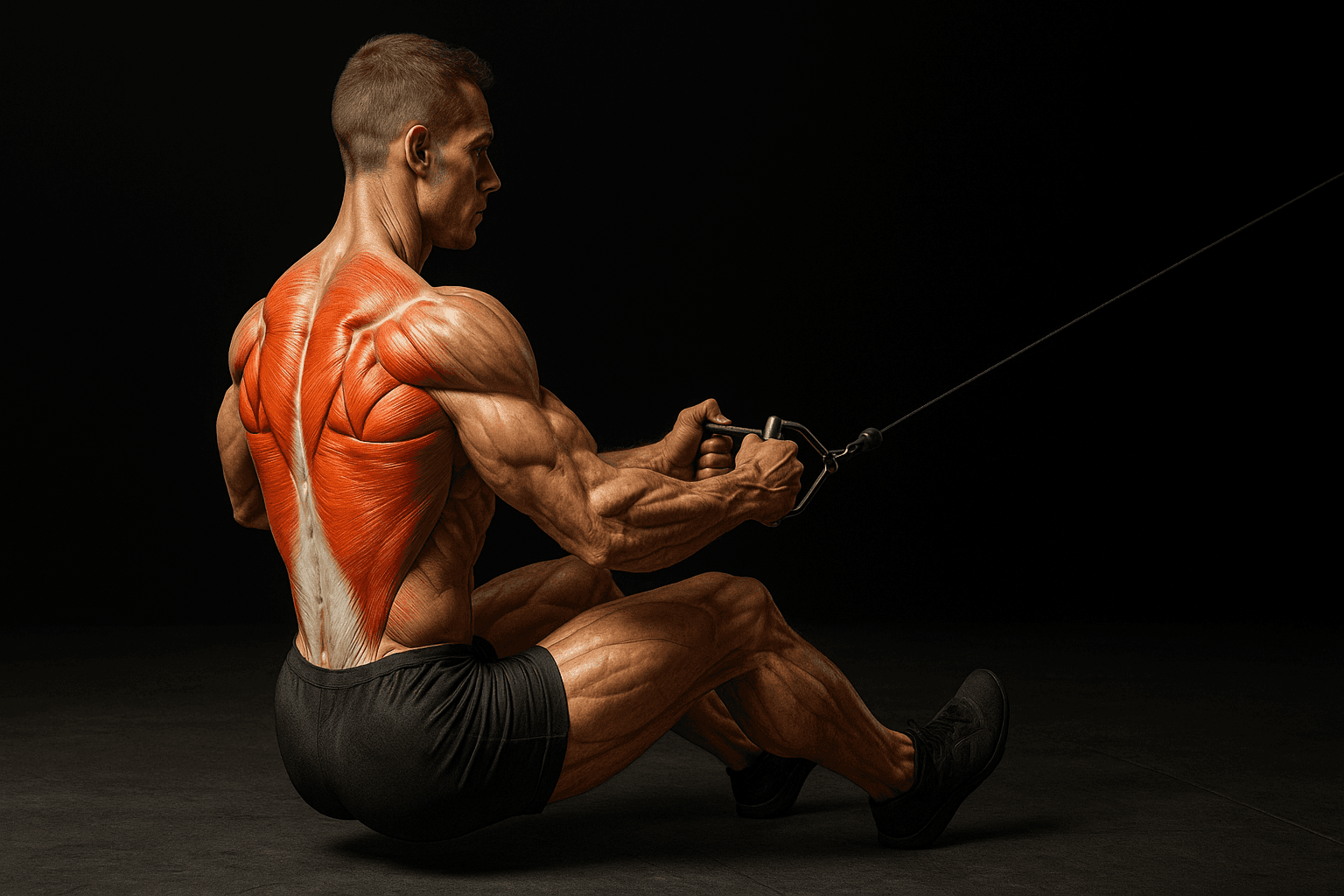
What Actually Happens When You Keep Skipping Leg Day
Skip leg day long enough and you lose strength, size and function in your lower body. Practical timelines, numbers, and a simple maintenance plan to fix it.
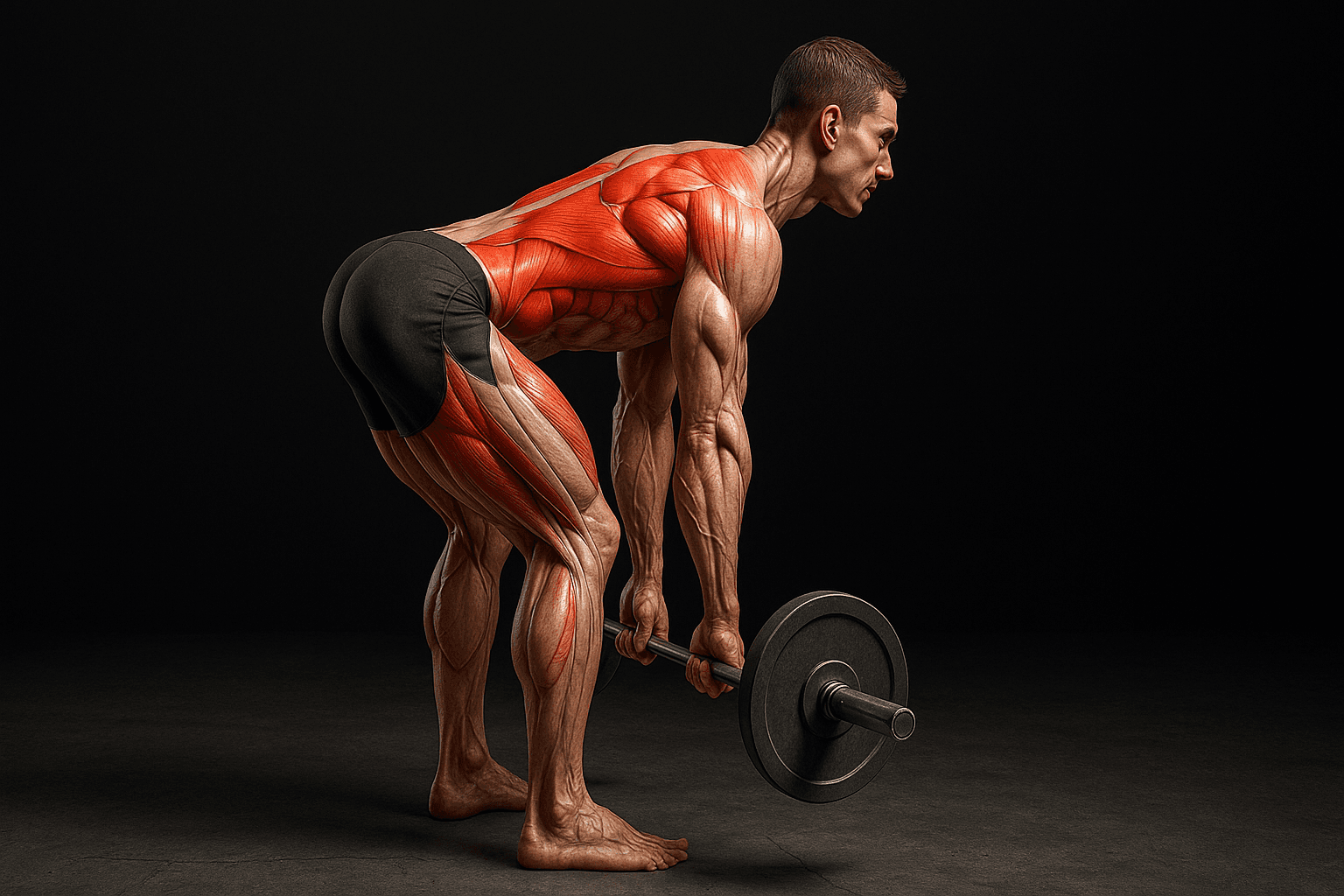
Still Sore but Want to Train? Here's the Decision Rule
Simple, evidence-aware rule for training while sore: how sore is too sore, how much to cut back, and safe session choices. Practical numbers and examples.
Do Supersets Actually Save Time (and Still Build Muscle)?
Do supersets save workout time and still build muscle? Evidence-aware guide on when supersets speed sessions, how they affect hypertrophy, programming tips, safety, and limitations.
Tempo Training: What It's Actually Good For
A practical, evidence-aware guide to tempo training benefits: what it helps (control, hypertrophy, technique), when to use it, concrete tempos, progressions, safety and limits.
Training Twice a Day: Is It Worth It?
Training twice a day can help advanced lifters increase skill, volume, or conditioning if recovery is managed. Here's when, how, and what to watch for.
Should You Train With a Cold?
Can you train with a cold? Practical, evidence-aware guidance on when to exercise, how to modify sessions, safety signals, and when to rest or see a clinician.
Building Muscle With Dumbbells Only: A Complete Approach
Practical, evidence-aware guide to building muscle using only dumbbells: exercises, weekly volume, progression, sample programs, and safety tips.